
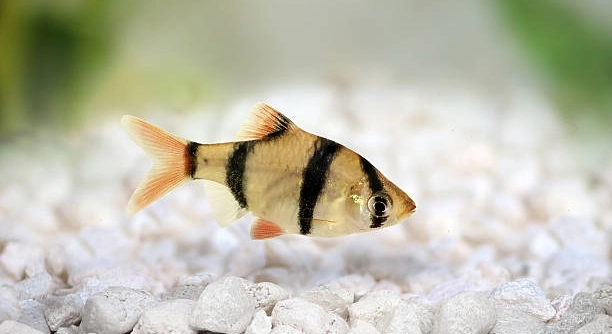
Tiger Barbs are lively and colorful fish that many aquarium enthusiasts enjoy keeping. Feeding them properly is important to maintain their health and vibrant appearance. Knowing the right feeding schedule can help avoid overfeeding or underfeeding, which affects their well-being.
Tiger Barbs should be fed small amounts two to three times daily, providing only what they can consume within two to three minutes. This feeding routine supports their metabolism while preventing excess waste and water quality issues in the tank.
Maintaining a consistent feeding schedule will promote your Tiger Barbs’ health and keep their environment clean and balanced.
What to Feed Tiger Barbs
Tiger Barbs need a balanced diet to stay healthy and active. A high-quality flake or pellet food designed for tropical fish is a good staple. Supplement their diet with live or frozen foods like bloodworms, brine shrimp, or daphnia for added nutrition. Vegetables such as blanched spinach or zucchini can also be given occasionally to provide fiber and variety. Avoid feeding large amounts at once, as this can lead to uneaten food polluting the tank and harming water quality. Feeding small portions multiple times a day helps mimic their natural feeding habits and prevents obesity. Watching how quickly they eat can help you adjust the amount you provide, ensuring they get enough without waste. It’s important to maintain consistency in what and when you feed your Tiger Barbs to support their health over time.
Feeding varied foods will improve their color and energy. Fresh, nutritious meals make a visible difference.
A well-rounded diet contributes to better immunity, reducing disease risk. Live or frozen foods offer proteins that flakes can lack. Including some plant matter benefits digestion and adds nutrients. By managing food quantity and quality carefully, your Tiger Barbs will thrive in a stable environment.
Signs of Overfeeding and How to Prevent It
Overfeeding Tiger Barbs can cause health issues and water problems. Watch for signs like bloated bodies, sluggish swimming, or excess waste in the tank. Uneaten food breaks down and increases ammonia levels, which harms fish. To prevent overfeeding, feed small amounts that they can finish within a few minutes. Stick to two or three feeding times daily and avoid extra snacks. Regular water changes help maintain tank cleanliness and balance. Observing your fish’s behavior and adjusting feeding accordingly keeps them healthy. Maintaining good tank conditions and a proper diet go hand in hand for their well-being.
Feeding Frequency Tips
Feeding Tiger Barbs two to three times a day keeps their energy steady without overloading the tank. Small, consistent meals work best for their digestion and health.
Consistency in feeding times helps regulate their metabolism. Feeding at irregular intervals can stress the fish and affect their appetite. Monitor how much they eat within a few minutes and adjust portions accordingly. If food remains after feeding, reduce the amount next time to avoid waste buildup. Keeping a routine also helps in spotting health issues early, as changes in eating habits often signal problems. A balanced schedule supports their active nature and overall well-being.
Avoid feeding late in the day to prevent leftover food decaying overnight. Morning and midday feedings fit their natural rhythms. This approach keeps the tank cleaner and reduces the risk of poor water quality, which can lead to health issues.
Preparing Food for Tiger Barbs
Using high-quality flake or pellet food as a base ensures your Tiger Barbs get essential nutrients. Supplementing with live or frozen options boosts their diet variety. Always thaw frozen foods completely before feeding to avoid chilling the fish. For live foods, source them from reputable suppliers to prevent introducing diseases. Vegetables like blanched spinach can be chopped finely and fed occasionally. Mixing different food types improves their health and prevents boredom. Proper food preparation helps maintain water quality by reducing waste. By varying textures and flavors, your fish will stay more engaged and nourished.
Avoiding Overfeeding
Overfeeding Tiger Barbs leads to poor water quality and health problems. Only give them what they can eat quickly to avoid leftover food.
Excess food causes waste buildup, which increases toxins in the tank. This can stress or harm your fish over time.
Signs Your Tiger Barbs Are Hungry
If your Tiger Barbs swim eagerly toward food or become restless during feeding times, they are likely hungry. Healthy appetite shows good well-being. Watch their behavior to keep feeding amounts balanced and avoid overfeeding.
Feeding Juvenile Tiger Barbs
Young Tiger Barbs need more frequent feedings with smaller portions compared to adults. This supports their growth and energy needs. Feed juveniles three to four times daily using finely crushed flakes or small live foods. Careful feeding promotes strong development and health.
Adjusting Feeding Amounts
Feeding amounts should be adjusted as your Tiger Barbs grow or if you notice changes in their activity or tank size.
FAQ
How often should I feed my Tiger Barbs?
Tiger Barbs should be fed two to three times daily. Giving small amounts that they can eat within two to three minutes prevents leftover food and keeps the tank clean. Feeding more often can cause water quality issues and lead to health problems.
Can I feed Tiger Barbs only flakes or pellets?
While high-quality flakes or pellets can serve as the main diet, it’s important to add variety. Supplement their meals with live or frozen foods like bloodworms or brine shrimp to provide essential proteins. Occasional vegetables can improve digestion and overall nutrition.
What happens if I overfeed Tiger Barbs?
Overfeeding can cause bloating and poor health. Leftover food pollutes the water, increasing harmful toxins like ammonia. This stresses fish and can lead to disease or death. Feeding small portions and watching how much they eat helps prevent these issues.
Is it okay to feed Tiger Barbs at night?
Feeding late in the day is not recommended. Uneaten food will decay overnight, harming water quality. Stick to morning and midday feedings to maintain a clean environment and healthier fish.
How do I know if my Tiger Barbs are hungry?
Hungry Tiger Barbs are usually active and swim toward food eagerly. They may also be restless near feeding times. Healthy appetite is a good sign but avoid feeding more than they need.
What foods should I avoid giving Tiger Barbs?
Avoid feeding Tiger Barbs human food or anything processed. Foods that float for long periods and are not quickly eaten should be removed to prevent water contamination. Avoid over-reliance on just one food type to keep their diet balanced.
Can Tiger Barbs eat vegetables?
Yes, Tiger Barbs can benefit from small amounts of blanched vegetables like spinach or zucchini. These provide fiber and nutrients. Offer vegetables occasionally and in small portions, finely chopped or softened to ensure they eat it.
How do I feed juvenile Tiger Barbs?
Juvenile Tiger Barbs need more frequent feeding, about three to four times daily. Use finely crushed flakes or tiny live foods to match their smaller mouths. Proper feeding during this stage supports healthy growth and energy.
What should I do if my Tiger Barbs refuse to eat?
If Tiger Barbs stop eating, check water quality and temperature first. Stress or illness can reduce appetite. Try offering different types of food or feeding smaller portions. If the problem continues, consult a vet or aquarium specialist.
Can I feed Tiger Barbs frozen food?
Frozen foods are a good option and can add variety to their diet. Always thaw frozen food completely before feeding. This prevents lowering the tank temperature and avoids shock to the fish.
How much food is too much?
Feed only as much as Tiger Barbs can finish in two to three minutes. If food remains after this time, reduce the next feeding portion. Overfeeding leads to water pollution and health problems, so less is often better.
Does feeding frequency change with tank size?
Feeding frequency usually stays the same regardless of tank size. However, larger tanks with more fish may require slightly more food overall. Monitor feeding carefully to avoid overfeeding and maintain water quality.
Should feeding amounts change with fish activity?
Yes, more active fish may need slightly larger or more frequent meals. Conversely, less active fish require less food. Observe their behavior to adjust feeding amounts for their energy needs.
How do I store fish food properly?
Keep fish food in a cool, dry place and sealed tightly to maintain freshness. Avoid exposing food to heat or moisture, which can degrade quality and cause spoilage.
Can Tiger Barbs survive on commercial food alone?
While they can survive on commercial food, their health improves with a varied diet. Adding live, frozen, or vegetable foods ensures balanced nutrition and vibrant colors.
What if my Tiger Barbs are picky eaters?
Try offering different food types or mixing foods to encourage eating. Sometimes varying textures or flavors helps. Patience and observation will guide you in finding what they prefer.
How do I prevent food waste in the tank?
Feed small amounts and remove any uneaten food after feeding. Regular water changes and proper filtration help maintain cleanliness and reduce waste buildup.
Is fasting beneficial for Tiger Barbs?
Occasionally skipping one feeding per week can help prevent overfeeding and aid digestion. This practice should be done carefully and not too often to avoid stress.
Can I feed Tiger Barbs live plants?
Tiger Barbs mostly eat prepared foods and small live animals, but they may nibble on soft plants. Live plants in the tank also help improve water quality and create a natural environment.
How do water changes relate to feeding?
Regular water changes are essential, especially when feeding more frequently. They remove waste and toxins from uneaten food and fish waste, maintaining a healthy environment.
What’s the best way to transition Tiger Barbs to new food?
Introduce new food gradually by mixing it with their current diet over several days. This helps prevent stress and encourages acceptance of the new food.
How do temperature and feeding relate?
Tiger Barbs’ metabolism slows in cooler water, so reduce feeding amounts and frequency accordingly. Warmer water increases activity and feeding needs.
Can I feed Tiger Barbs at irregular times?
It’s best to feed them at consistent times to regulate their metabolism and reduce stress. Irregular feeding can affect appetite and health.
Are supplements necessary for Tiger Barbs?
Supplements are rarely needed if the diet is balanced. High-quality commercial foods and occasional live or vegetable options provide sufficient nutrients.
Proper feeding is essential to keep Tiger Barbs healthy and active. Giving them small amounts of food two to three times a day helps maintain their energy levels without overloading the tank. Feeding only what they can eat within a few minutes prevents leftover food from polluting the water, which can cause stress or illness. A balanced diet including quality flakes or pellets, supplemented by live, frozen, or vegetable foods, supports their growth and vibrant colors. Regular feeding routines also make it easier to spot any changes in appetite or behavior that might signal health issues early on.
It is important to watch for signs of overfeeding, such as bloated bodies or sluggish behavior. Overfeeding not only harms the fish but also worsens water quality by increasing waste and toxins like ammonia. Keeping feeding portions small and consistent helps avoid these problems. Juvenile Tiger Barbs require more frequent feedings with smaller portions to support proper growth. As the fish grow and become more active, feeding amounts and schedules may need slight adjustments. Feeding at regular times, avoiding late-day feedings, and preparing food properly by thawing frozen items or chopping vegetables finely will also improve digestion and reduce waste in the tank.
Maintaining a good feeding routine goes hand in hand with regular tank maintenance. Clean water and proper filtration keep the environment stable and healthy for your Tiger Barbs. Removing uneaten food and performing routine water changes will prevent toxic buildup. Feeding your fish well and monitoring their health can make a visible difference in their behavior, color, and lifespan. By understanding their feeding needs and habits, you ensure that your Tiger Barbs stay lively and enjoy a good quality of life in their aquarium home.

Hello,
If you enjoy the content that we create, please consider saying a "Thank You!" by leaving a tip.
Every little bit helps us continue crafting quality advice that supports the health, happiness, and well-being of pets around the world, for pets of all shapes, sizes, and species.
We really appreciate the kindness and support that you show us!