
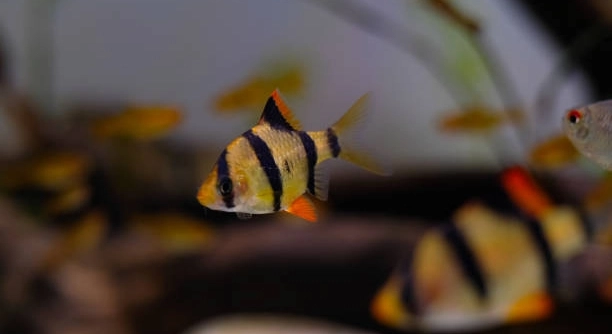
Tiger barbs are lively fish known for their energetic behavior in home aquariums. Sometimes, they chase other fish, which can be confusing or concerning for owners. Understanding why they act this way helps create a peaceful tank environment.
Tiger barbs chase others mainly due to territorial instincts, competition for food, stress, or lack of proper tank mates. Their natural behavior includes establishing dominance and protecting space, which can lead to chasing when these needs are unmet.
Learning these reasons can help you manage your tank better and improve your fish’s well-being. The following points will explain the most common causes behind this behavior.
Territorial Behavior
Tiger barbs are naturally territorial fish. When kept in a tank, they often claim specific areas as their own. This instinct makes them chase other fish that enter their space. If the tank is too small or overcrowded, territorial behavior becomes more intense. This can cause stress for all fish involved. It’s important to provide enough room and hiding spots. Plants, decorations, or caves can help fish feel secure. Without these, the chasing may become constant, disturbing the tank’s peace. Observing where your tiger barbs spend most of their time can give clues about their territories. If they chase a fish repeatedly near a certain spot, that is likely their claimed area. Managing the environment to reduce territorial stress helps calm the fish and makes the tank more balanced for everyone.
Territorial behavior is often linked to space and environment quality. Proper tank setup reduces chasing and promotes harmony.
Creating a spacious tank with plenty of hiding places can significantly reduce aggressive chasing. A tank size of at least 20 gallons is recommended for a small group of tiger barbs. More space means less competition for territory. Adding live plants or decorations helps break sight lines, making it harder for fish to constantly confront each other. This setup lowers stress and encourages more natural behavior. Regular observation and adjustments can improve how well your tiger barbs coexist with others. Adjusting tank conditions is an easy way to reduce chasing and make your aquarium a more peaceful place.
Competition for Food
Chasing often happens when tiger barbs compete for food. These fish are fast and eager eaters, so they may chase others to get more food. Feeding too little or feeding unevenly can increase this behavior. It’s best to spread food evenly across the tank. This way, every fish has a chance to eat without fighting. Using sinking pellets or flakes that reach all levels of the tank helps. Feeding smaller amounts more frequently also reduces competition. Watching feeding time can help you see if chasing is food-related.
When food is scarce or unevenly distributed, chasing behavior grows.
If tiger barbs feel they must compete for limited food, chasing will increase. This behavior is their way of trying to secure enough to eat. To avoid this, provide enough food that everyone can get a fair share. Feeding should be controlled but generous enough to prevent hunger. Sometimes, feeding by hand or using feeding rings can help distribute food better. Also, feeding at consistent times builds routine, which lowers stress and chasing. Adjusting feeding habits is an effective step to calm your tiger barbs during mealtime. Proper nutrition and feeding practices keep chasing at bay and promote healthy growth.
Stress and Overcrowding
Stress makes tiger barbs more aggressive, leading to chasing. Overcrowded tanks increase stress levels because fish have less space to swim and hide. This can cause constant chasing and even injury.
When a tank is overcrowded, fish feel trapped and threatened. Tiger barbs may chase others more frequently as a way to release built-up tension or establish dominance. Stress weakens their immune systems, making them more vulnerable to illness. To reduce stress, keep the fish population within the recommended limits for your tank size. For example, about 6 tiger barbs in a 20-gallon tank works well. Also, ensure good water quality by performing regular water changes. Clean, well-maintained water lowers stress and creates a healthier environment where fish are less likely to chase.
Providing adequate space and keeping water conditions stable helps reduce stress-related chasing. Proper care creates a calm tank where your tiger barbs can thrive peacefully.
Lack of Proper Tank Mates
Tiger barbs are semi-aggressive and do best with other active fish that can hold their own. If tank mates are too passive or slow, tiger barbs may chase them out of boredom or frustration. This behavior can cause harm or stress to weaker fish.
Choosing compatible tank mates is crucial to prevent chasing. Suitable companions include fast, similarly sized fish like danios or other barbs. Avoid slow swimmers or long-finned fish, as tiger barbs may nip at their fins. A larger group of tiger barbs also helps spread out aggression within their own kind. Keeping at least six tiger barbs together reduces individual targeting. Observing how your fish interact will guide you in adjusting tank mates if needed. Selecting the right companions can make a big difference in minimizing chasing and creating a balanced community aquarium.
Establishing Dominance
Tiger barbs naturally form a social hierarchy, which involves chasing to show dominance. This behavior helps them decide their rank within the group. Dominance chasing is usually brief and less aggressive than fighting.
When hierarchy is clear, chasing decreases as fish accept their roles. This natural behavior maintains order but can look intense to observers.
Boredom and Lack of Enrichment
Without enough stimulation, tiger barbs may chase each other out of boredom. A dull environment leads to restless, aggressive behavior. Adding plants, decorations, or toys can keep them busy and reduce chasing. Enriching their tank mimics their natural habitat and encourages healthy activity.
Breeding Behavior
Chasing increases during breeding season as males compete for females. This is normal but can look aggressive. Providing separate breeding spaces helps manage this behavior.
Why is my tiger barb constantly chasing only one fish?
This usually happens because the chased fish is weaker, smaller, or slower than the others. Tiger barbs tend to pick on easy targets to establish dominance or control territory. It’s also possible that the singled-out fish has different behavior or coloring, making it stand out. Keeping a larger group of tiger barbs helps spread aggression evenly, reducing focus on one fish. Adding more hiding spots can give the targeted fish places to escape and rest.
Can chasing lead to serious injuries or stress?
Yes, persistent chasing can cause physical harm like torn fins and stress, which weakens the immune system. Injured fish are more likely to get sick or die. Stress can also reduce appetite and affect overall health. To prevent this, watch how often chasing happens and how severe it is. Improving tank conditions, adding space, or changing tank mates can help reduce aggression and protect your fish’s well-being.
Is chasing normal behavior for tiger barbs, or is something wrong?
Chasing is a natural part of tiger barb behavior, linked to their territorial instincts and social structure. However, constant or aggressive chasing that causes harm or stress means something is wrong. It could be tank size, overcrowding, or incompatible tank mates. Balancing their environment can help keep chasing at healthy levels without risking your fish’s health.
How can I reduce chasing without separating the fish?
You can reduce chasing by increasing tank size and adding plenty of plants or decorations to create hiding spots. Feeding more frequently with evenly spread food helps lower competition. Keeping at least six tiger barbs together distributes aggression within the group. Also, choose tank mates that can keep up with tiger barbs’ energy. Regular water changes and stable water quality keep stress low, which reduces chasing.
Does the age or size of tiger barbs affect chasing behavior?
Younger or smaller tiger barbs may be chased more by larger or older fish, especially when establishing dominance. Size differences can trigger chasing to enforce hierarchy. Keeping fish of similar size and age helps limit this problem. When new fish are added, introduce them carefully to reduce stress and chasing.
What tank size is best to prevent aggressive chasing?
A minimum of 20 gallons for a small group of tiger barbs is recommended. More space reduces territorial disputes and gives fish room to avoid each other. Overcrowding leads to more chasing and stress. Larger tanks with good filtration and decorations promote a balanced environment.
Will changing the lighting or water temperature affect chasing?
Lighting and temperature can influence fish behavior but usually don’t stop chasing. Too bright lighting might increase stress, causing more aggression. Keep lighting moderate and stable. Water temperature should stay within the ideal range for tiger barbs (74–79°F or 23–26°C) to keep them healthy and calm. Sudden changes in temperature or lighting can cause stress and increase chasing.
Can feeding live or frozen food help reduce chasing?
Yes, feeding live or frozen foods like brine shrimp or bloodworms can reduce boredom and aggression by encouraging natural hunting behavior. This stimulation helps keep tiger barbs busy and less focused on chasing tank mates. It also improves their diet, promoting better health and calmer behavior during feeding times.
Should I separate aggressive tiger barbs from the rest?
Separating a very aggressive fish may be necessary if chasing causes injury or constant stress. Sometimes, one fish can be more aggressive due to personality or health issues. Moving that fish temporarily or permanently can protect others. However, always try environmental changes first before separating, as tiger barbs are social fish and do best in groups.
Is chasing behavior different during breeding season?
Yes, chasing usually increases during breeding as males compete for females. This behavior is normal but can be intense. Providing separate breeding tanks or areas helps reduce aggression in the main tank. Watching fish carefully during breeding can prevent injury and stress.
Tiger barbs are active and social fish that often chase each other as part of their natural behavior. This chasing is usually linked to their need to establish territory, compete for food, or show dominance within their group. While it can look aggressive, some chasing is normal and helps keep their social order. However, constant or severe chasing can cause stress and injury, which means adjustments are needed in their tank environment. Understanding why your tiger barbs chase helps you make the right changes to create a peaceful aquarium.
One of the most important things to keep in mind is the tank setup. A properly sized tank with enough space for your fish reduces territorial disputes and stress. Adding plenty of plants, rocks, or decorations gives tiger barbs hiding spots and breaks lines of sight. This helps reduce chasing by allowing fish to avoid each other when needed. Feeding them well and spreading food evenly is also crucial, as competition over food can increase chasing. Regular water changes and monitoring water quality keep the fish healthy and calm. Taking these steps helps maintain balance and harmony in your tank.
It’s also important to consider your fish group and tank mates. Tiger barbs do best in groups of six or more because it spreads out their natural aggression and keeps the social order stable. Choosing tank mates that are fast and active enough to keep up with tiger barbs reduces bullying. Avoiding slow or delicate fish prevents stress and injuries caused by chasing. Watching your fish regularly lets you spot any serious problems early. With proper care and attention, chasing can be managed so your tiger barbs live happily and your tank stays peaceful.

Hello,
If you enjoy the content that we create, please consider saying a "Thank You!" by leaving a tip.
Every little bit helps us continue crafting quality advice that supports the health, happiness, and well-being of pets around the world, for pets of all shapes, sizes, and species.
We really appreciate the kindness and support that you show us!