
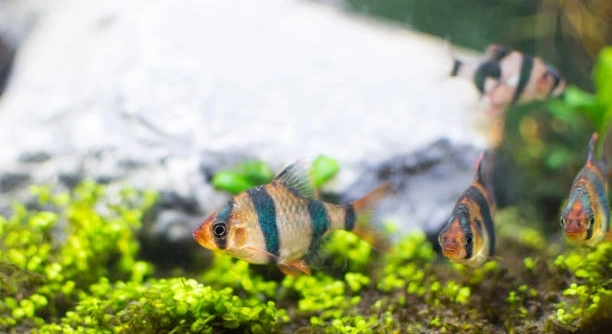
Many fish owners enjoy keeping tiger barbs because of their bright colors and lively behavior. Sometimes, these active fish seem to vanish from the aquarium without a clear reason. Understanding what causes a tiger barb to disappear can help keep your tank healthy.
Tiger barbs may disappear due to factors such as hiding, jumping out, disease, bullying by other fish, poor water conditions, being eaten by tank mates, or accidental death. Identifying these causes is essential for proper aquarium care and prevention.
Knowing the common reasons behind their disappearance can help you protect your fish and maintain a balanced aquarium environment. This article explains the main factors to watch for and how to address them effectively.
Tiger Barbs Hiding in the Tank
Tiger barbs are known for being curious but also shy at times. When they feel threatened or stressed, they often hide among plants, decorations, or caves in the aquarium. This behavior is normal, especially if the tank is new or if there are sudden changes like new fish or water conditions. If your tiger barb disappears, check around hiding spots first. Sometimes, they stay hidden for hours or even days, especially if they feel unsafe. Stress can come from aggressive tank mates, loud noises, or poor water quality. Ensuring the tank has enough hiding places helps them feel secure. Watching their behavior closely can reveal if they are just hiding or if something else is wrong.
Hiding is a natural defense for tiger barbs. They prefer a tank with plants and cover to reduce stress.
Providing plenty of hiding spaces and keeping the environment stable helps tiger barbs feel safe and reduces hiding. If hiding lasts too long, it could indicate illness or bullying. Regular tank maintenance and observing interactions can improve their comfort and encourage them to be more visible.
Jumping Out of the Aquarium
Tiger barbs sometimes jump out of the tank, especially if the water quality is poor or the fish are stressed. If your tank doesn’t have a lid or cover, this can easily happen. They might try to escape uncomfortable conditions like high ammonia, temperature changes, or overcrowding. Even small disturbances like sudden lights or noises can cause them to jump. It is important to keep the water clean and stable to prevent this behavior. Installing a secure lid can stop escapes and keep your fish safe.
Jumping is often a sign of discomfort or stress, which can be fixed by improving tank conditions.
Poor water quality, sudden changes in temperature, or aggressive tank mates often lead to jumping. Tiger barbs are active swimmers and need enough space to move freely. Overcrowded tanks increase stress and make fish more likely to try escaping. Regular water testing and changes reduce harmful chemicals and keep the environment safe. Avoid sudden light or noise changes near the tank. Adding plants and decorations also helps reduce stress by making the fish feel protected. Watching your fish closely can help catch early signs of stress before they try to jump out. A secure lid is the best way to prevent loss from jumping.
Illness and Disease
Illness is a common reason tiger barbs disappear. They may hide or become less active before vanishing. Diseases like ich, fin rot, or internal infections weaken them quickly. Early signs include clamped fins, white spots, or sluggish movement.
When a tiger barb gets sick, it often hides to protect itself. If untreated, the disease can worsen, causing the fish to hide in hard-to-see places or even die unnoticed. Poor water quality or sudden changes increase the risk of illness. Regular tank cleaning and monitoring water parameters can prevent many health problems. Quarantining new fish before adding them to the main tank also reduces disease spread.
If you notice unusual behavior or disappearances, test your water and observe other fish. Early treatment is essential for recovery. Sometimes, sick fish might need medication or isolation to heal. Ignoring signs can lead to loss of your fish and affect the entire tank’s health.
Bullying by Tank Mates
Bullying from other fish can make tiger barbs hide or disappear. Aggressive fish chase or nip at them, causing stress or injury. This behavior forces the tiger barb to stay out of sight to avoid harm.
Tank mates like larger or more aggressive species often cause bullying. Even other tiger barbs can become aggressive if the group is too small or the tank is overcrowded. Stress from bullying weakens the immune system and makes hiding or escape attempts common. Providing enough space, plants, and hiding spots helps reduce aggression. Sometimes, rearranging the tank or changing fish combinations is necessary. Observing how fish interact daily helps identify bullying early and keep your tiger barbs safe.
Poor Water Conditions
Poor water quality causes stress and illness in tiger barbs. High ammonia, nitrites, or nitrates make the environment toxic, forcing fish to hide or even die.
Regular water testing and changes keep the tank safe. Clean filters and avoid overfeeding to maintain good water conditions for your fish.
Being Eaten by Tank Mates
Some fish in a community tank may eat smaller or weaker tiger barbs. Predatory or larger species pose a risk, especially if hiding spots are limited. Careful selection of tank mates is essential to keep your tiger barbs safe.
Accidental Death
Sometimes tiger barbs disappear because they die without obvious signs. Their bodies may be hidden by plants or decorations, or eaten by other fish. Checking the tank thoroughly helps prevent confusion and allows quick removal to maintain tank health.
Stress Factors
Stress from noise, sudden light changes, or overcrowding can cause tiger barbs to disappear. Reducing disturbances and keeping a calm environment supports their well-being and visibility.
FAQ
Why does my tiger barb keep hiding even though the water looks clean?
Tiger barbs hide when they feel stressed or unsafe, even if water quality seems fine. Factors like sudden changes in light, loud noises, or new tank mates can make them nervous. Also, they naturally seek hiding spots to rest or avoid perceived threats. Providing plenty of plants and decorations helps them feel secure. Keep the environment stable and avoid sudden changes to encourage them to be more active and visible.
How can I tell if my tiger barb has jumped out of the tank?
If a tiger barb jumps out, you might find it on the floor near the aquarium. Sometimes, you notice a missing fish without any sign inside the tank. A loose or missing tank lid increases the chance of jumping. Check for splashes or wet spots around the tank as clues. Installing a secure lid and keeping the water conditions stable reduce jumping risks.
What are common signs of illness in tiger barbs?
Illness signs include faded colors, clamped fins, white spots, lethargy, and loss of appetite. Sometimes, they isolate themselves or hide more than usual. Fin rot can cause torn fins, while ich appears as tiny white dots. Early detection helps prevent serious problems. Regular observation and water tests are key to catching illness early.
Can other fish really bully tiger barbs? How do I stop it?
Yes, bullying happens when aggressive or larger fish chase, nip, or stress tiger barbs. Overcrowded tanks or lack of hiding spaces make it worse. Adding plants and decorations gives tiger barbs places to escape. Sometimes rearranging tank mates or moving aggressive fish out is necessary. Keeping a proper number of tiger barbs (at least six) reduces internal aggression.
How often should I test my aquarium water to keep tiger barbs healthy?
Testing water once a week is a good routine for tiger barb tanks. Check ammonia, nitrite, nitrate, pH, and temperature levels. Consistent monitoring helps catch problems before fish get sick. If you add new fish or notice unusual behavior, test more often. Keeping parameters stable is essential for a healthy environment.
Why do tiger barbs sometimes disappear overnight?
Disappearance overnight often happens because they jumped out, got eaten, or died without being noticed. Tank mates like larger fish or aggressive species might attack while you’re not watching. Poor water quality or sudden illness can also cause rapid decline. Checking the tank carefully every day helps prevent surprises.
What can I do if my tiger barb is missing but I don’t see a body?
Look thoroughly around decorations, plants, and filter intakes where a dead fish might be stuck or hidden. Sometimes scavengers in the tank eat the body quickly. Make sure your tank lid is secure to prevent escapes. Keep the environment calm and stable to reduce stress and discourage hiding.
Is it normal for tiger barbs to hide a lot?
Tiger barbs do hide sometimes, especially if they are stressed, sick, or new to the tank. However, if hiding becomes constant, it may signal a problem like illness, bullying, or poor water conditions. Observing their behavior closely and improving tank conditions can help them feel safer and more active.
How can I prevent my tiger barbs from disappearing?
Maintaining good water quality, providing hiding spaces, and choosing peaceful tank mates are the best ways to keep tiger barbs visible and healthy. Secure lids prevent jumping, and regular observation helps catch issues early. Keeping a stable environment reduces stress, making your fish less likely to hide or disappear.
What should I do if I suspect my tiger barb is sick?
Isolate the sick fish in a quarantine tank to avoid spreading disease. Test water parameters and perform water changes. Use appropriate medication based on symptoms, and monitor closely for improvement. Providing a clean, stress-free space supports recovery. If unsure, consulting a vet or experienced aquarist can help.
Tiger barbs are active and colorful fish that bring life to any aquarium. However, their sudden disappearance can be confusing and upsetting. Many factors cause this, such as hiding, jumping out, illness, bullying, or poor water conditions. Understanding these reasons helps you care better for your fish and create a safer, more comfortable tank environment. Regular observation and proper maintenance are key to keeping your tiger barbs healthy and visible.
Creating a stable environment is important for tiger barbs. Clean water, proper temperature, and good filtration support their health and reduce stress. Stress is one of the main reasons fish hide or behave differently. Providing plenty of hiding spots with plants and decorations gives them a safe place to retreat when needed. Avoid overcrowding the tank and keep aggressive fish separate to prevent bullying. Watching your fish daily lets you notice changes early, so you can act before problems worsen.
If a tiger barb disappears, take time to check the whole tank carefully. Look for signs of illness, test water quality, and make sure your tank has a secure lid to prevent jumping. Sometimes, fish hide for a while and then return to normal behavior. If illness or bullying is involved, treat the tank and consider adjusting the fish community. Keeping a calm and well-maintained aquarium will help your tiger barbs thrive and reduce sudden disappearances in the future.

Hello,
If you enjoy the content that we create, please consider saying a "Thank You!" by leaving a tip.
Every little bit helps us continue crafting quality advice that supports the health, happiness, and well-being of pets around the world, for pets of all shapes, sizes, and species.
We really appreciate the kindness and support that you show us!