
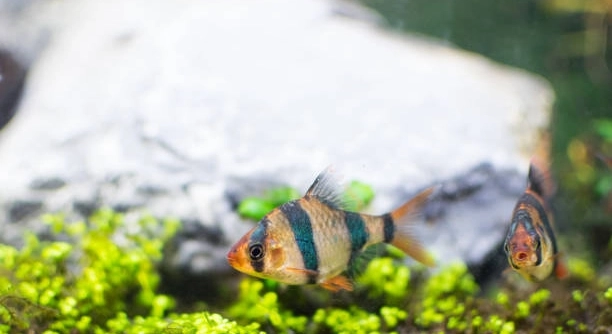
Is your tiger barb spending too much time alone or acting differently from how it used to when it had tank mates?
Tiger barbs are social fish that thrive in groups. When kept alone or in too small a group, they can become stressed, withdrawn, or aggressive. Addressing their need for companionship is essential for their well-being.
Learning the signs of loneliness and knowing how to fix them can make a lasting difference in your tiger barb’s behavior and health.
1. Tiger Barbs Are Schooling Fish
Tiger barbs are naturally social and do best in groups of at least five or six. In the wild, they live in schools where they interact constantly with others. This behavior helps them feel secure and lowers stress. When kept alone, a tiger barb can become anxious, skittish, or even aggressive. Without the presence of others, it may pace the tank, hide frequently, or show faded colors. These are signs it’s not feeling safe or mentally stimulated. A group setting allows tiger barbs to establish a natural pecking order, display their active swimming style, and engage in social behavior that keeps them calm and balanced.
Keeping just one or two tiger barbs often leads to problems. They may chase or nip at tank mates, or simply become withdrawn and bored.
If your tiger barb is showing signs of loneliness, the first step is to add more of its kind. Stick to an odd number above five.
2. Inadequate Group Size Causes Stress
A single tiger barb or even a pair often lacks the stimulation it needs. The result is stress, which affects health and behavior.
Groups offer structure. Tiger barbs thrive when they can interact with their own kind. Without that dynamic, they’re more likely to nip at other fish or show signs of unease. Stressed tiger barbs may stop eating, hide constantly, or swim in a frantic way. Over time, this stress can weaken their immune system, making them more vulnerable to disease. A proper group allows them to redirect their energy into natural activities—chasing, circling, and schooling. When kept in a large enough group, tiger barbs become more peaceful overall, especially when their tank is set up to support active swimming. Their color also tends to brighten when they’re happy and comfortable. If you’re keeping fewer than five, increasing the group size can quickly improve their mood and behavior.
3. Lack of Stimulation Affects Mood
Without proper interaction, tiger barbs can become bored and inactive. This leads to dull coloring, poor appetite, or even aggression toward other tank mates. A lonely fish has less mental engagement, which affects its mood and overall health.
Boredom shows up in subtle ways. You might see your tiger barb swimming in repetitive patterns, staying near one spot for too long, or ignoring food. In some cases, it may even start nipping at other fish, using aggression to release pent-up energy. These behaviors usually improve once the fish is given proper stimulation, especially from other tiger barbs. Social activity plays a key role in keeping their behavior balanced. It’s also helpful to add tank decor and change their environment now and then. This gives them something to explore, even when not interacting with others. But social bonds remain the most effective way to maintain a healthy mental state.
Tiger barbs are active swimmers, and they need more than space to stay happy. Group swimming, social chasing, and playful interaction are important. Adding plants, rocks, or floating decorations helps break up the space and create zones where they can rest or explore. Combined with group companionship, this creates a more natural and comforting environment.
4. Poor Tank Setup Can Make It Worse
A lonely tiger barb in a poorly designed tank feels even more insecure. Without hiding spots, visual breaks, or swimming space, stress becomes harder to manage. The result is withdrawn behavior or increased aggression.
Tank layout plays a huge role in how tiger barbs behave. A well-designed tank should have open areas for swimming and cluttered zones with plants or decorations for resting. Tall plants, rocks, driftwood, or even artificial structures help create visual breaks that reduce tension. These features also allow barbs to feel more secure, especially in a group. A cramped or bare tank can make them feel exposed and anxious. It also increases the chances of aggressive encounters since there’s no space to escape or hide. Use a tank that’s at least 20 gallons for a small group. Keep water flow moderate, and maintain clean, stable water conditions to support their active nature.
5. Aggression Is a Sign of Discomfort
Tiger barbs kept alone or in very small groups may become aggressive. This often includes chasing, fin-nipping, or harassing tank mates. It’s a stress response caused by lack of proper social structure and mental stimulation.
Adding more tiger barbs helps redirect that aggression into social play. A proper group allows them to chase each other, not other fish.
6. Tank Mates Don’t Replace Their Own Kind
Other species won’t fulfill a tiger barb’s social needs. Even peaceful tank mates can’t replicate the body language, speed, or interaction style of another barb. These fish rely on schooling behavior and need similar companions to feel balanced. Mixing them with different species can lead to confusion or isolation.
7. Fixing Loneliness Is Simple
Start by increasing your group to at least five or six tiger barbs. Always use an odd number if possible. Adjust tank size and layout to support a bigger group, and maintain stable water quality to reduce stress.
FAQ
Can tiger barbs live alone?
Tiger barbs can live alone, but it is not recommended. They are schooling fish that naturally live in groups, and keeping one by itself often leads to stress and behavioral problems. A lone tiger barb may become aggressive, withdrawn, or inactive. Over time, it can develop health issues due to chronic stress. These fish need social interaction with their own kind to stay active and engaged. Even if the tank is well set up, a single barb will not thrive the same way a group would. For best results, always keep them in groups of five or more.
How many tiger barbs should be kept together?
At least five tiger barbs should be kept together, but six or more is even better. An odd number is often recommended to reduce pairing conflicts. In a group, they form a natural hierarchy and become more peaceful. Keeping too few increases the chances of aggression. A proper group helps them interact, chase each other playfully, and feel secure in their space. Make sure the tank is large enough to support this number—20 gallons is the minimum for a small group, but larger setups are better. Adding tiger barbs in even larger numbers often results in a calmer tank.
Do tiger barbs get along with other fish?
Tiger barbs can get along with some other fish, but their behavior changes depending on how many you keep. When kept in a proper group, they are more focused on each other and less likely to nip at other species. However, they can still be a bit aggressive, especially toward slow-moving or long-finned fish like guppies, bettas, or angelfish. The best tank mates are active, fast swimmers that can handle a lively environment. Danios, loaches, and certain types of tetras are usually good choices. Always monitor for any signs of bullying and be prepared to adjust your tank setup.
Why is my tiger barb hiding all the time?
Constant hiding can be a sign of loneliness, stress, or illness. If your tiger barb is the only one of its kind in the tank, it likely feels unsafe and unsure. These fish rely on group dynamics to feel comfortable and alert. Without a group, they become nervous and hide often. Other causes can include poor water conditions, aggressive tank mates, or not enough decor and cover in the tank. Make sure the water is clean, the tank has plenty of hiding spots, and that the fish is not being harassed. If the problem continues, consider adding more tiger barbs.
Can you add more tiger barbs later?
Yes, you can add more tiger barbs later, but do so with care. When introducing new fish, make sure the tank is large enough and has enough hiding spots. Always quarantine new fish before adding them to the main tank. Once ready, introduce the new barbs at the same time to prevent territorial behavior. Tiger barbs usually adjust well to group changes, especially if they’re joining an existing group that isn’t too aggressive. Monitor the tank closely after the addition to ensure everyone settles in properly. A balanced group size usually results in better behavior and fewer problems.
What size tank do I need for a group of tiger barbs?
A 20-gallon tank is the minimum for a small group of five tiger barbs. However, a 30-gallon or larger tank is preferred if you want to keep more fish or include other species. These fish are active swimmers and need horizontal space. A cramped tank leads to more aggression and stress. It also makes it harder to maintain stable water conditions. The bigger the tank, the easier it is to create swimming space and break up sightlines with plants or decor. Always choose the largest tank you can manage to give your fish the best quality of life.
Final Thoughts
Tiger barbs are active, social fish that need to live in groups to stay healthy and happy. Keeping them alone can lead to stress, boredom, and aggressive behavior. Many fish owners notice their lone tiger barb hiding, refusing food, or chasing other fish. These are all signs that it is not getting the social interaction it needs. A group of five or more gives tiger barbs the structure and activity they naturally seek. When kept in the right group, their colors become brighter, their energy levels increase, and their behavior becomes more balanced.
Tank setup also plays an important role in how your tiger barb feels. A proper tank should have space for swimming, some hiding spots, and a stable environment. A cluttered or bare tank can make things worse, especially if the fish already feels lonely. Adding plants, rocks, or driftwood gives them places to rest or explore. Clean water, steady temperature, and regular maintenance support both their health and comfort. A well-designed tank and a well-sized group work together to prevent many common behavior issues.
Fixing tiger barb loneliness is usually simple. Add more tiger barbs, give them enough room, and make sure they live in a peaceful, stable environment. Avoid pairing them with slow-moving or long-finned fish, as tiger barbs can become nippy when not properly grouped. When they are surrounded by their own kind, they direct their energy into social play instead of unwanted behavior. Paying attention to their social needs can improve both their health and the overall balance of your aquarium. In the end, happy tiger barbs are more active, more colorful, and more fun to watch.

Hello,
If you enjoy the content that we create, please consider saying a "Thank You!" by leaving a tip.
Every little bit helps us continue crafting quality advice that supports the health, happiness, and well-being of pets around the world, for pets of all shapes, sizes, and species.
We really appreciate the kindness and support that you show us!