
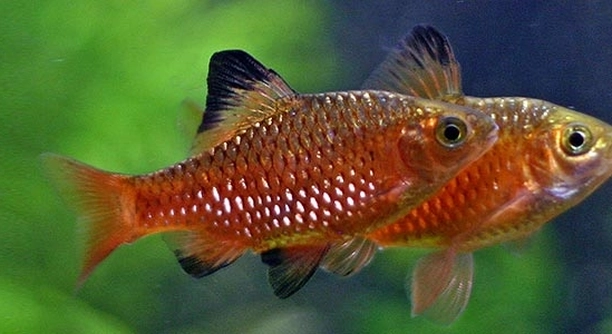
Water temperature changes often cause noticeable effects in nature and everyday life. When the temperature drops, many living things and objects respond in ways we might not expect. Recognizing these reactions helps us understand how the environment affects us.
A drop in water temperature typically triggers physical and behavioral changes in aquatic life, including slower metabolism, reduced activity, and altered feeding patterns. These responses are survival mechanisms to conserve energy and adapt to colder conditions.
Learning about these reactions can help you better anticipate changes and care for aquatic environments or pets when temperatures shift.
Physical Reactions in Aquatic Animals
When water temperature drops, many aquatic animals slow down their movements. Fish often swim less actively, conserving energy to survive the colder conditions. Their metabolism decreases, which means they need less food. Some species change their color slightly to blend better with the cooler surroundings. Amphibians like frogs may also become less active, hiding in mud or under leaves to stay warm. Insects and other small water creatures often go into a dormant state or move to deeper, warmer areas. These changes are natural responses to protect themselves from the stress caused by cold water. The drop in temperature affects oxygen levels too, which can make animals adjust their breathing. Overall, the colder water forces aquatic life to reduce energy use and adapt behaviorally to maintain their health until temperatures rise again.
Cold water causes slower activity and lower metabolism in aquatic animals to help them survive harsh conditions.
Many fish and amphibians rely on these changes to avoid exhaustion. Recognizing these signs can guide proper care if you keep aquatic pets or manage natural water bodies during seasonal changes.
Plant Responses to Cooling Water
Plants in water react differently but also show clear signs of stress when temperatures fall. Some aquatic plants slow their growth as metabolic processes depend heavily on warmth. Cooler water means less photosynthesis, reducing energy production. Leaf colors might dull or fade, and some plants may shed older leaves to conserve resources. In ponds or aquariums, plants might appear limp or less vibrant, reflecting the stress caused by the cold. Root absorption of nutrients can slow down, affecting the overall health of the plant. Some species adapt by shifting their growth cycle or entering a dormant phase until conditions improve. Understanding these changes is important for maintaining healthy aquatic plants during colder periods and ensuring the ecosystem stays balanced.
Plants slow growth and conserve energy in cooler water, affecting their color and health.
If you care for aquatic plants, monitoring water temperature can prevent damage and help you provide better care during seasonal shifts.
Behavioral Changes in Fish
Fish often become less active when water temperature drops. They reduce movement to save energy. This is a natural survival response.
Slower swimming means fish eat less and may hide more to avoid predators. Cold water reduces their metabolism, so their bodies use less energy. Fish might gather in deeper or sheltered parts of a pond or tank where water stays slightly warmer. This helps them maintain stability during temperature shifts. Changes in behavior can last until water warms up again.
In some cases, fish might stop eating for a while. This can worry people who care for them, but it’s normal. Once the temperature rises, fish usually return to their usual activity and feeding habits. Watching these changes closely can help in providing the right care and environment.
Effects on Water Chemistry
Water temperature influences oxygen levels. Cooler water holds more oxygen, but cold water can slow down biological processes that use oxygen. This creates a balance that aquatic life depends on. If temperature drops quickly, it may temporarily disrupt oxygen availability.
Lower temperatures also slow decomposition of organic matter, reducing nutrient release in the water. This affects the overall ecosystem balance, influencing both plants and animals. Changes in pH levels can occur, affecting how species adapt to their environment. Understanding these chemical shifts helps in managing aquatic habitats well during cold spells and ensuring healthy conditions for all living organisms.
Impact on Microorganisms
Microorganisms slow their activity in colder water. Their growth and reproduction rates decrease as temperature drops. This is a natural adjustment to conserve energy.
Some bacteria and algae become less active, which can reduce water pollution but also limit nutrient cycling. This shift affects the whole aquatic environment.
Changes in Aquatic Insects
Aquatic insects reduce their movement and feeding during cold periods. Many enter a state similar to dormancy to survive. This helps them preserve energy when food is scarce.
Their life cycles may slow down or pause temporarily. Once temperatures rise, they become active again and resume normal behaviors.
Effects on Fish Breathing
Cold water makes fish breathe more slowly. Their oxygen demand decreases because metabolism slows down.
This adjustment helps fish survive with less energy use until water warms up again.
FAQ
Why do fish become less active when water temperature drops?
Fish are cold-blooded animals, meaning their body temperature changes with their surroundings. When water gets colder, their metabolism slows down. This causes them to move less and use less energy. Reduced activity helps fish survive during times when food might be scarce and conditions are harsh. It is a natural way for them to conserve energy until the water warms again.
How does cold water affect the feeding habits of aquatic animals?
Many aquatic animals eat less when water temperature drops. Since their metabolism slows, they need fewer calories. Fish and insects may reduce or stop feeding altogether. This behavior helps conserve energy. Some animals hide or stay in deeper water where it is warmer, waiting for better conditions to resume normal feeding. This change can last through the colder months.
Can aquatic plants survive in cold water?
Yes, many aquatic plants can survive colder temperatures by slowing their growth. Cold water reduces photosynthesis, so plants produce less energy. Some enter a dormant state, shedding old leaves to save resources. While their appearance might change, they usually recover once temperatures rise. Proper care during cold periods can help maintain plant health.
Does cold water hold more oxygen?
Yes, cold water holds more dissolved oxygen than warm water. This is because oxygen molecules are more soluble in cooler temperatures. However, since aquatic animals use less oxygen in cold water due to slower metabolism, this balance generally supports life well. Sudden temperature drops, though, may temporarily disturb oxygen availability.
Why do aquatic insects slow down in cold water?
Aquatic insects are also affected by temperature changes. In cold water, their metabolism slows, and many enter a dormant or inactive state to conserve energy. This helps them survive until conditions improve. Their development and life cycles pause or slow, which means less movement and feeding.
How does water temperature impact water chemistry?
Water temperature affects many chemical processes. Cold water slows the decomposition of organic matter, reducing nutrient release and changing pH levels. These changes can affect the health of aquatic ecosystems by influencing plant growth and animal behavior. Keeping an eye on temperature helps maintain a balanced environment.
Is it normal for fish to stop eating in cold water?
Yes, it is common for fish to eat less or stop eating in colder water. Their metabolism slows, reducing energy needs. While it might be worrying to see fish refuse food, this is a normal survival strategy. When the temperature rises, they usually start eating again and return to their normal activity levels.
How long do these reactions to cold water last?
Reactions to cold water last as long as the temperature stays low. When water begins to warm, fish, plants, and insects gradually return to normal behavior. The time needed varies by species and how cold the water gets. Most aquatic life is well-adapted to handle seasonal changes but can be stressed by sudden or extreme drops.
What should I do if I care for aquatic pets during a temperature drop?
Monitor water temperature closely and try to keep it stable. Avoid sudden changes by using heaters or insulated tanks if needed. Reduce feeding because pets will eat less. Provide hiding spots and keep water clean to reduce stress. Understanding how cold affects your aquatic pets helps you support their health through colder periods.
Can a sudden water temperature drop harm aquatic life?
Yes, a rapid drop in water temperature can cause stress or even harm aquatic life. Sudden changes can shock fish and other organisms, disrupting metabolism and behavior. It can also affect oxygen levels and water chemistry. Gradual temperature changes are easier for aquatic life to adjust to, so avoiding abrupt shifts is important for their well-being.
The way water temperature affects aquatic life is quite important to understand. When the water gets colder, many creatures and plants change how they behave and grow. Fish slow down and eat less, plants grow slower, and tiny insects go quiet. These changes help them survive until the water warms up again. Knowing this helps anyone who takes care of fish, plants, or ponds to give better care during cold times. It also helps us understand the natural world and how animals and plants stay safe in different seasons.
Cold water brings many changes, but most aquatic life is built to handle these shifts. Slower movement and lower metabolism are ways animals save energy. Plants pause their growth and use less energy. This is not a sign of sickness but a natural way to protect themselves. Problems can happen if the temperature changes suddenly or too much, but gradual changes allow life to adjust. Watching water temperature and understanding these natural reactions can help keep aquatic environments healthy and balanced.
In the end, water temperature is a key factor in the life of aquatic ecosystems. Changes in temperature influence behavior, growth, and survival. By paying attention to these changes, you can better support aquatic life, whether in an aquarium, pond, or natural setting. Being aware of how water temperature affects animals and plants helps create a healthier environment for them all year round. Taking simple steps to manage temperature changes can make a big difference in the health and happiness of aquatic creatures and plants.

Hello,
If you enjoy the content that we create, please consider saying a "Thank You!" by leaving a tip.
Every little bit helps us continue crafting quality advice that supports the health, happiness, and well-being of pets around the world, for pets of all shapes, sizes, and species.
We really appreciate the kindness and support that you show us!