
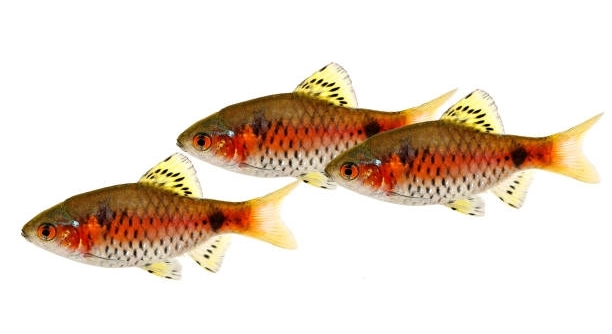
Is your Rosy Barb suddenly turning away from food, leaving you puzzled about what changed in its usual feeding behavior?
The most common reason a Rosy Barb stops eating is stress caused by sudden environmental changes. Poor water quality, new tankmates, or a recent relocation can affect their appetite and overall behavior, making them avoid food.
Small changes in their surroundings can have a bigger impact than expected, and recognizing these signs early can help prevent more serious issues.
Possible Reasons Behind the Sudden Change
A sudden loss of appetite in Rosy Barbs can be caused by changes in their environment. Even something as small as a shift in water temperature or pH can stress them out. New decorations, tankmates, or moving the tank itself can also trigger this reaction. Stress often leads to changes in behavior, including avoiding food. Sometimes, the food itself may be spoiled or simply unappealing. Old flakes or pellets can lose freshness quickly. It’s also important to rule out illness. Look for signs like faded colors, abnormal swimming, or bloating. Poor water quality is another common issue. High ammonia or nitrite levels make fish uncomfortable and less likely to eat. Make sure their water is clean and well-filtered. Regular testing helps avoid unseen problems. Rosy Barbs are sensitive to their surroundings, and their appetite reflects their comfort. Small things often build up, so it’s best to observe closely and act early.
Sometimes fish just need a bit of time to settle after any changes. Stress from shipping, a new tank, or even rearranging can affect them more than expected.
If the tank conditions are steady and there’s no illness, consider rotating foods. Live or frozen options may encourage feeding again. Keep portions small and remove uneaten food quickly to avoid buildup.
How to Check Water and Tank Conditions
Start by testing your water parameters with a reliable test kit. Look for ammonia, nitrite, and nitrate levels, as well as pH and temperature.
Maintaining a stable tank environment plays a big role in your Rosy Barb’s eating habits. Begin with regular water changes—about 25% weekly. This keeps waste from building up and lowers harmful toxins. Use a test kit to monitor ammonia and nitrite levels, aiming for zero. Even low traces can make your fish uncomfortable. Also, make sure your filter is working properly and not clogged. A clean filter supports healthy bacteria that keep water safe. Temperature matters too. Rosy Barbs thrive around 74–78°F, and sudden drops can stress them. A heater and thermometer help keep things consistent. If you’ve recently added new fish or changed décor, monitor behavior closely. Try to limit disruptions when possible. Clean the tank gently and avoid overfeeding. With a calm space and proper care, your Rosy Barb is more likely to return to normal eating habits.
What to Feed When They Refuse Pellets
If your Rosy Barb ignores pellets, try offering live or frozen foods like bloodworms, daphnia, or brine shrimp. These options often trigger a stronger feeding response and can help restart their appetite more naturally and gently.
Stick to high-quality frozen or live foods for a few days while watching their behavior. Avoid feeding too much—small amounts once or twice daily is enough. If they start eating, slowly mix in crushed flakes or pellets again. Over time, this can help them return to a balanced diet. Softened vegetables like peas or zucchini (boiled and peeled) are also good to try. Keep the feeding area calm and limit distractions. If tankmates are aggressive during feeding time, feed the Rosy Barb separately. A peaceful space and variety in food choices make it easier for them to feel safe and interested in eating again.
Food texture and smell also matter. Some fish ignore dry food if it’s too hard or bland. Soaking pellets in tank water for a few minutes can help. It softens the texture and brings out the scent, making them more appealing. Try offering one type of food at a time to track what they like best. Keep the tank quiet during feeding. Avoid sudden movements or tapping on the glass. Sometimes, the fish just need space and a bit of time to feel safe enough to eat. A feeding routine helps, too. Consistency can reduce stress and encourage your Rosy Barb to get back to eating regularly.
When to Consider Illness or Parasites
If your Rosy Barb still won’t eat after environmental checks and food changes, it may be time to look closer at their health. Watch for symptoms like clamped fins, white spots, bloating, or gasping at the surface.
Internal parasites or bacterial infections can reduce appetite and energy. If you notice weight loss, stringy feces, or abnormal swimming, you may be dealing with an illness. Use a magnifying glass if needed to look for tiny spots or skin damage. Quarantine the fish if symptoms get worse or others in the tank show similar behavior. Medications from a pet store may help, but it’s best to diagnose carefully before treating. Don’t skip water changes during this time—clean water supports healing. Avoid using multiple treatments at once unless directed by a specialist. If things don’t improve after a few days, consider reaching out to an experienced aquarist or a vet with fish experience for further advice.
Behavior to Watch During Feeding Times
If your Rosy Barb swims near the food but doesn’t eat, it may be stressed or unsure. Watch how it moves—if it seems nervous or easily startled, the environment may still feel unsafe to them.
If the fish hides during feeding, observe tankmates. Aggressive or fast eaters can scare it off. Try feeding in a quieter area or at a different time when other fish are less active.
How Long Can a Rosy Barb Go Without Eating?
A healthy adult Rosy Barb can go up to a week without eating, though it’s not ideal. Their metabolism slows when they’re stressed, so skipping meals for a few days isn’t always a sign of danger. However, if it stretches beyond five to seven days, you should begin looking deeper. Long-term food refusal can weaken their immune system and open the door to other problems. Younger fish have less fat stored and shouldn’t go more than a couple of days without food. Keep track of how often they ignore meals and monitor for other changes in behavior or appearance.
When to Seek Outside Help
If your Rosy Barb hasn’t eaten in over a week or shows other concerning symptoms, it’s time to get help from an experienced fish vet or aquarist.
FAQ
Can a Rosy Barb stop eating just because it’s bored of the food?
Yes, Rosy Barbs can lose interest if fed the same food for too long. Just like people, they enjoy variety. If you’ve been offering only one type of pellet or flake, it may not excite them anymore. Try rotating between different high-quality flakes, pellets, frozen foods like bloodworms or brine shrimp, and even blanched vegetables. Switching things up can often spark their appetite again. Make changes slowly, and observe how they react to new foods. Sometimes, even the smell or texture of something different can make them curious enough to start eating again.
How do I know if water quality is the issue?
Testing your tank water is the most reliable way to know. You’ll want to test for ammonia, nitrite, nitrate, pH, and temperature. Even small amounts of ammonia or nitrite can make fish stop eating. If your Rosy Barb looks stressed, has pale colors, or hides more than usual, those can also be signs of poor water quality. Use a liquid test kit (not strips) for more accurate results. Fixing water issues usually involves a partial water change and checking that your filter is clean and working properly. Regular testing keeps you ahead of any problems before they become serious.
Is it okay to fast my Rosy Barb on purpose?
Yes, in some cases. Many fishkeepers give their fish one day of fasting each week to help clear their digestive systems. This can be healthy and reduce bloating or overfeeding. However, this is only helpful for a healthy fish. If your Rosy Barb is already refusing food, do not continue the fast. Instead, try to figure out what’s causing the lack of appetite. Fasting should never be used to “force” a fish to eat pellets or flakes. Their health and comfort should always come first, and variety is often a better solution than withholding food.
Could tankmates be the reason my Rosy Barb won’t eat?
Yes, aggressive or fast-feeding tankmates can stress out a Rosy Barb, especially during mealtimes. If a fish feels threatened or can’t reach the food in time, it may start avoiding the feeding area. Observe how other fish behave when you feed them. If some are chasing or bullying the Rosy Barb, you might need to separate them during meals or even consider rehoming aggressive tankmates. Try spreading the food around the tank so that slower fish have a better chance to eat. A calm feeding environment helps reduce stress and encourages more natural behavior.
What if my Rosy Barb eats one day but skips the next?
That’s not always a sign of trouble. Occasional skipping is normal, especially if the fish is older, recently moved, or if the water temperature has dropped slightly. It becomes a concern only if it happens for several days in a row or if other symptoms appear—like hiding, fading color, or bloating. Keep track of how often this happens and note anything that might have changed in the tank. Small changes in light, water flow, or noise in the room can have more impact than you think. Consistency helps fish feel safe, which often improves their appetite.
What should I do if my Rosy Barb spits food out?
Spitting food out can mean it’s too hard, too big, or just not appealing. Try soaking dry food in a little tank water to soften it before feeding. If the food is still being rejected, try a different brand or type. It could also point to an internal issue, like parasites or a bacterial infection, especially if it happens with all food types. Watch for other symptoms like weight loss or stringy poop. If you’re unsure, separating the fish and offering soft, high-protein food like frozen daphnia can help you monitor eating more closely.
How long should I wait before being seriously concerned?
If your Rosy Barb hasn’t eaten for more than five to seven days, it’s time to act. A single skipped meal or even a day or two isn’t unusual, but going a week without food—especially with other signs of distress—isn’t normal. Don’t wait for symptoms to worsen. By this point, check water parameters again, offer varied food, and monitor tankmate behavior. If nothing improves, consult with a fish-savvy vet or someone experienced in tropical fish care. Waiting too long could allow an underlying problem to progress, making it harder to treat and recover from.
Final Thoughts
When a Rosy Barb suddenly stops eating, it can feel confusing or even worrying at first. But in most cases, the cause is something small that can be fixed. A change in water quality, food type, or tank setup often leads to a drop in appetite. These fish are sensitive to their surroundings, and even small adjustments can affect how they behave. Watching them closely each day helps you catch changes early. It’s also helpful to stay calm and patient, since stress—both for the fish and for you—can make things worse. Try to go step by step and rule things out gently.
The first step is always checking the tank. Clean water and a steady temperature go a long way in keeping your Rosy Barb healthy. If the water looks cloudy, smells strange, or hasn’t been tested in a while, this is where to start. From there, think about their food. Has it been sitting open for too long? Is it the only thing you’ve been feeding? Offering a mix of frozen or live food may help get them eating again. Also, take a few minutes to watch how they act around other fish. If there’s a more aggressive tankmate, that could be making them avoid food. Feeding in a quiet, calm setting is often more effective than trying to push food at them.
Sometimes, though, a Rosy Barb may stop eating due to illness. That’s when it’s important to notice things like clamped fins, odd swimming, or changes in color. If these signs show up, it’s better to act sooner than later. Try not to treat the tank without knowing what the problem is. If you’re unsure, reach out to someone with more experience, like a local aquarist or fish vet. They can help guide you to the right treatment. While it’s normal to feel a bit anxious when your fish skips a meal, small steps and a careful approach often lead to good results. In most cases, once the cause is found and fixed, your Rosy Barb will return to its usual feeding habits. Keeping an eye on their health, routine, and environment is the best way to support their well-being long term.

Hello,
If you enjoy the content that we create, please consider saying a "Thank You!" by leaving a tip.
Every little bit helps us continue crafting quality advice that supports the health, happiness, and well-being of pets around the world, for pets of all shapes, sizes, and species.
We really appreciate the kindness and support that you show us!