
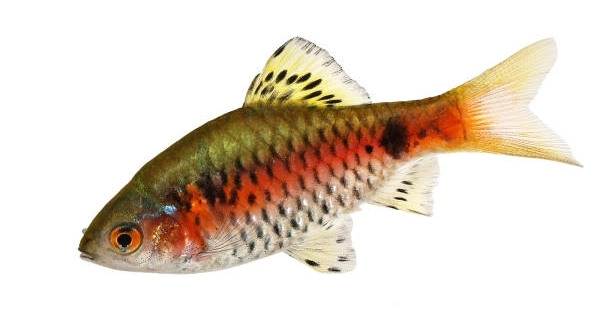
Rosy barbs are popular freshwater fish known for their bright colors and active behavior. Many aquarium enthusiasts enjoy watching how these fish interact with their environment. Their response to colors in the tank can affect their comfort and activity levels.
Rosy barbs do show preferences for certain colors, often avoiding overly bright or harsh hues. This behavior is linked to their natural instincts to seek safety and reduce stress in unfamiliar surroundings. Color choice in their habitat plays a role in their well-being and behavior.
Learning how rosy barbs react to different colors can help you create a better home for them. This knowledge can improve their comfort and overall health in your aquarium.
How Rosy Barbs See Colors
Rosy barbs have good color vision, which helps them spot food and avoid predators. Their eyes are sensitive to different shades, but they tend to avoid very bright or intense colors that might signal danger. In a tank, colors like bright red or neon shades can make them nervous. Softer colors, such as green or blue, are usually more calming for these fish. The natural environment of rosy barbs includes plants and gentle water tones, so they are used to those colors. If the tank has colors that feel unnatural, the fish may hide or swim less actively. Paying attention to the colors around your rosy barbs can improve their behavior and reduce stress. Choosing decorations and backgrounds that match their natural preferences can make a big difference in their comfort.
Their color sensitivity is part of their survival instinct and daily behavior patterns.
Colors that match their natural habitat help rosy barbs feel safe and comfortable, encouraging healthy activity and social interaction in the tank.
Effects of Tank Colors on Rosy Barb Behavior
Tank colors can influence how rosy barbs act. Bright or contrasting colors may make them cautious or shy, while muted tones often encourage normal swimming and feeding habits. Fish may hide behind decorations or stay still if they feel overwhelmed by harsh colors. Calm colors create a soothing environment where rosy barbs are more likely to explore and interact. The background color of the aquarium, as well as the color of plants and gravel, plays a role in their comfort level. Using natural greens, blues, or earthy tones usually promotes a peaceful setting. When setting up a tank, it’s important to consider these factors. Over time, a well-chosen color scheme can help your rosy barbs thrive by reducing their stress and encouraging natural behaviors. This leads to healthier fish and a more enjoyable tank to watch.
Colors Rosy Barbs Avoid
Rosy barbs generally avoid very bright or fluorescent colors. These colors can seem threatening or unnatural to them. Avoiding these colors helps reduce their stress in the aquarium.
Bright reds, neon yellows, and intense oranges can make rosy barbs feel uneasy. These colors are too harsh compared to their natural environment. When exposed to these shades, rosy barbs might hide more often or swim less actively. This response helps them stay safe but can make them less visible and less lively in the tank. Choosing calmer colors like soft greens or blues can help your fish feel more secure and comfortable in their surroundings.
Avoiding harsh colors not only benefits their mood but also encourages natural behavior. Fish that feel safe are more likely to interact and show their full colors. By paying attention to the color setup, you support the well-being of your rosy barbs and make the aquarium more peaceful overall.
How to Choose Colors for Your Rosy Barb Tank
Picking the right colors for your tank can improve the health and behavior of your rosy barbs. Use natural and muted tones for decorations and backgrounds. These colors match their natural habitat and help reduce stress. Soft greens, light browns, and gentle blues work well.
Avoid bright or flashy decorations, as they may scare the fish. Instead, focus on plants, gravel, and backgrounds that mimic nature. This creates a calm environment and encourages rosy barbs to be active and social. The right colors also make their own colors look better, enhancing the tank’s beauty. Choosing colors with your fish’s comfort in mind supports their happiness and longevity.
Natural Colors and Rosy Barbs
Natural colors like greens and browns are closest to what rosy barbs see in the wild. These shades help them feel safe and less stressed.
Using natural colors in the aquarium helps maintain a peaceful atmosphere. It encourages rosy barbs to explore and behave normally.
Impact of Lighting on Color Perception
Lighting affects how colors appear to rosy barbs. Bright, harsh lighting can make even soft colors seem intense, causing discomfort. Dim or natural lighting highlights their true colors and creates a calm environment. Adjusting light levels helps balance color perception and supports the fish’s well-being.
Using Color to Reduce Stress
Calm colors paired with proper lighting can reduce stress in rosy barbs. This leads to healthier and happier fish.
Do rosy barbs really avoid certain colors?
Yes, rosy barbs tend to avoid very bright and fluorescent colors. These intense colors can seem unnatural or threatening to them, making them feel unsafe. They usually prefer softer, natural colors like greens, blues, and browns, which mimic their natural habitat and reduce stress.
Why do bright colors stress rosy barbs?
Bright colors may be interpreted as danger signals in the wild, triggering a fear response. This causes rosy barbs to hide or swim less actively. Their natural environment rarely includes such harsh colors, so these hues can disrupt their sense of safety.
Can the color of tank decorations affect rosy barbs’ health?
Yes, the colors in the tank can impact the fish’s stress levels, which directly affects their health. Stress weakens their immune system, making them more prone to illness. Choosing calming, natural colors helps create a peaceful environment that supports their well-being.
Are certain tank backgrounds better for rosy barbs?
Tank backgrounds in soft greens, blues, or earthy tones are best. These colors help reduce reflections and glare, making the fish feel more secure. Avoid bright or flashy backgrounds that might startle or confuse them.
Does lighting affect how rosy barbs react to colors?
Lighting plays a big role. Bright, harsh lighting can make colors look more intense, which may stress the fish. Using dimmer or natural-looking light softens colors and creates a comfortable atmosphere for rosy barbs.
What colors make rosy barbs feel most comfortable?
Soft greens, light blues, and muted browns tend to make rosy barbs feel safe. These colors resemble plants and natural water tones in their original habitats, promoting calmness and natural behavior.
Should I avoid red or orange decorations?
It’s best to limit bright reds or oranges in the tank. These colors can appear too strong and may cause the fish to hide or act nervously. If you want to use these colors, keep them subtle and balanced with softer shades.
Can changing tank colors improve shy rosy barbs?
Yes, changing harsh or bright colors to more natural tones can help shy or stressed rosy barbs become more active. A calmer environment encourages them to explore and interact more with their surroundings.
Do rosy barbs’ own colors change based on tank colors?
Rosy barbs may appear duller if they are stressed by their environment, including tank colors. Comfortable conditions with gentle colors help their natural bright hues shine through, showing their best appearance.
Is it important to consider color when mixing species in a tank?
Yes, different fish respond differently to colors. When mixing species, choose colors that suit all fish to reduce stress and aggression. For rosy barbs, stick with natural tones that promote harmony in a community tank.
Can plants help with color comfort in the tank?
Live or artificial plants with natural green colors help create a soothing environment. They provide hiding spots and break up bright light, making the tank feel more secure for rosy barbs.
Are there any colors that encourage rosy barbs to breed?
While color alone doesn’t trigger breeding, a calm, natural environment with soft colors reduces stress, which can promote healthier breeding conditions. Stress-free fish are more likely to spawn successfully.
How often should I change tank colors or decorations?
Frequent changes can stress rosy barbs. It’s best to set up the tank with suitable colors and keep it stable. When changing, do it gradually to allow fish to adjust comfortably.
Can tank color affect feeding behavior?
Yes, fish that feel stressed due to harsh colors may eat less or hide during feeding times. Calm, natural colors encourage normal feeding behavior and improve appetite.
Do rosy barbs avoid certain colors only in the tank or also outside?
Their avoidance of harsh colors mainly applies to their immediate environment, like the tank. Outside the tank, colors have less impact since they rely more on safety cues inside their habitat.
Is it okay to use colorful gravel or ornaments?
Colorful gravel and ornaments should be chosen carefully. Avoid overly bright or neon colors, which can stress rosy barbs. Natural tones or muted colors work best to keep the environment comfortable.
How can I test if my rosy barbs are stressed by colors?
Watch their behavior closely. Signs of stress include hiding, reduced activity, loss of color brightness, and poor appetite. If these appear after adding new colors or decorations, consider changing to softer tones.
Are there other ways to reduce stress besides changing colors?
Yes, stable water conditions, proper tank size, hiding places, and compatible tank mates all help reduce stress. But adjusting tank colors is a simple step that can make a big difference in their comfort.
Can I use colored lighting instead of changing decorations?
Colored lighting can affect how fish see their environment, but harsh colored lights might also cause stress. Soft, natural lighting is better for highlighting tank colors without overwhelming the fish.
Do rosy barbs react to colors differently at night?
At night, their activity decreases naturally, so color effects are less noticeable. However, keeping a consistent light cycle with dim lighting at night supports their health and normal behavior.
When it comes to caring for rosy barbs, paying attention to colors in their environment is important. These fish respond to the colors around them, and choosing the right ones can make a difference in how they behave and feel. Bright and harsh colors often cause stress, while natural and softer colors help them stay calm and active. This simple change in the tank’s appearance can support the fish’s overall health and happiness. By thinking about the colors you use for decorations, backgrounds, and lighting, you can create a comfortable space where your rosy barbs can thrive.
Colors in the tank do not only affect the fish’s mood but also their natural behavior. When rosy barbs feel safe, they swim more freely, show their true colors, and interact better with other fish. On the other hand, stressful colors might make them hide or stay still for long periods. This can lead to health issues over time because stress weakens their immune system. Keeping colors soft and natural can help avoid these problems. It also means less worry for you as the caretaker, since your fish will look healthier and act more lively. A peaceful tank with gentle colors benefits both the fish and the person caring for them.
Choosing the right colors for your rosy barb tank does not have to be difficult. Think about the natural habitats of these fish, which include plants and water tones in soft greens, blues, and browns. Using these colors helps create an environment that feels familiar to them. Avoiding bright reds, neon shades, or flashy decorations will reduce stress and encourage normal activity. Along with proper lighting and stable water conditions, this color approach supports your fish’s well-being in a simple but effective way. Small changes like this can make a big impact on the life of your rosy barbs and your enjoyment of the aquarium.

Hello,
If you enjoy the content that we create, please consider saying a "Thank You!" by leaving a tip.
Every little bit helps us continue crafting quality advice that supports the health, happiness, and well-being of pets around the world, for pets of all shapes, sizes, and species.
We really appreciate the kindness and support that you show us!