
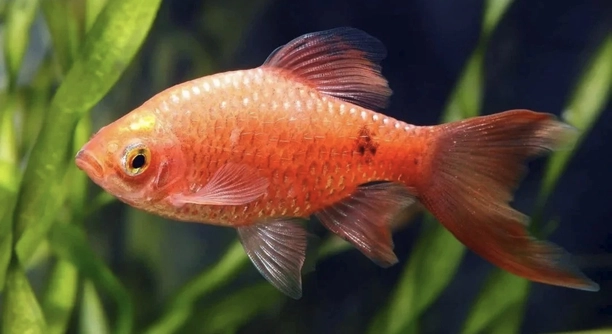
Rosy barbs are lively fish that thrive best when kept with companions. However, sometimes they may face isolation, which can affect their well-being and behavior. Understanding how to prevent this is important for every fish owner.
Preventing rosy barb isolation involves providing adequate group sizes, maintaining proper tank conditions, ensuring enough hiding spaces, offering a balanced diet, monitoring for aggressive behavior, encouraging interaction, and keeping the environment stimulating and comfortable for the fish.
Learning these tips can help you create a healthier environment where your rosy barbs can feel secure and social. Keeping them happy supports their natural behavior and overall health.
Keep Rosy Barbs in Groups
Rosy barbs are schooling fish that feel safest and most comfortable in groups of at least six. Keeping just one or two can cause stress and loneliness, which may lead to unhealthy behavior or even illness. When they have companions, rosy barbs interact naturally, swim together, and explore their tank as a group. It’s important to make sure the tank is large enough to support several fish. A crowded or too small tank can increase aggression and reduce space for hiding spots, which are also essential. Adding plants or decorations helps create areas where fish can retreat if they feel threatened. Watching rosy barbs swim around with their group shows they are relaxed and active, which is the best sign of good care.
Group living helps reduce stress, allowing rosy barbs to be more social and active in their environment.
Providing a proper group size supports natural behavior and promotes a healthy, lively tank atmosphere.
Maintain Proper Tank Conditions
Rosy barbs need clean, well-filtered water with stable temperatures between 64°F and 72°F (18°C to 22°C). Regular water changes are necessary to keep ammonia and nitrate levels low, which prevents illness and discomfort. The tank should have good oxygen circulation, and the pH should stay around neutral, between 6.5 and 7.5. Sudden changes in water quality or temperature can stress the fish and make them more prone to disease or hiding away. A healthy environment encourages rosy barbs to stay active and social, reducing the chances of isolation. Using a reliable water testing kit can help you monitor these parameters easily. Consistent care of the tank’s conditions is key to ensuring your fish live comfortably and happily over time.
Provide Enough Hiding Spaces
Rosy barbs need places to hide to feel safe and reduce stress. Plants, rocks, and decorations offer shelter and break up open swimming areas. Without enough hiding spots, shy fish may isolate themselves and feel vulnerable.
Creating hiding spaces helps reduce aggression and gives each fish a territory. Live plants like Java fern or Anubias work well, as do artificial plants or caves. Arranging decorations to form small clusters offers cozy retreats. These spaces allow timid fish to escape if more dominant ones act aggressively. When fish have places to rest and hide, they show more natural, relaxed behavior. This balance helps keep the whole group calm and social, improving their well-being and reducing the chance that any fish will isolate.
Regularly rearranging hiding spots can keep the environment interesting and encourage exploration, preventing boredom and isolation.
Encourage Social Interaction
Rosy barbs are social by nature and do best when encouraged to interact. Feeding them in groups or near each other helps build comfort and trust among the fish. Gentle tank lighting and a peaceful atmosphere also support social behavior.
Avoid sudden loud noises or movements that might scare the fish and cause them to hide. Playing soft background sounds or placing the tank in a quiet room helps maintain calm. Observing your fish and gently guiding them together during feeding times can reinforce group behavior. This creates a routine where rosy barbs expect company and safety with their peers. The more positive experiences they share, the less likely they are to isolate or become stressed. Keeping a stable environment promotes social bonds and healthier, more active fish.
Monitor Aggressive Behavior
Aggression can cause some rosy barbs to isolate themselves. Watch for chasing, nipping, or bullying in the tank. Early detection helps prevent harm and stress.
If aggression appears, separate the aggressive fish or add more hiding spots. Sometimes increasing the group size balances behavior and reduces fights.
Offer a Balanced Diet
Feeding rosy barbs a varied diet supports their health and energy. Include flakes, pellets, and occasional live or frozen foods like brine shrimp or bloodworms. Proper nutrition helps them stay active and social, reducing isolation caused by weakness or illness.
Keep the Environment Stimulating
A lively tank keeps rosy barbs curious and engaged. Change decorations occasionally and add floating plants to create a dynamic space. This encourages movement and social interaction, helping prevent boredom and isolation.
Regular Tank Maintenance
Clean tanks reduce stress and disease risk. Change water weekly and remove uneaten food and debris to maintain a healthy environment for your rosy barbs.
FAQ
How many rosy barbs should be kept together?
Rosy barbs do best in groups of at least six. Smaller groups can cause stress and isolation since these fish rely on social interaction. Larger groups help them feel secure, swim freely, and express natural behaviors. Make sure your tank is large enough to comfortably hold the group, giving each fish enough space to avoid crowding and aggression.
What tank size is suitable for rosy barbs?
A minimum tank size of 30 gallons is recommended for a group of six rosy barbs. This allows enough swimming room and space for hiding places. Bigger tanks reduce territorial disputes and keep water conditions stable, which helps prevent isolation caused by stress or bullying.
Can rosy barbs live with other fish?
Yes, rosy barbs can coexist with other peaceful fish species. Avoid keeping them with very small or slow-moving fish, as rosy barbs can be somewhat boisterous. Suitable tank mates include danios, tetras, and some peaceful bottom dwellers. Mixing compatible species can enrich the tank environment and encourage social behaviors.
What causes rosy barbs to isolate themselves?
Isolation often happens due to stress, illness, or bullying by other fish. Poor water conditions or lack of hiding spots can also make shy fish retreat. Ensuring proper tank maintenance, group size, and shelter reduces these risks and encourages rosy barbs to stay social and active.
How can I tell if a rosy barb is stressed?
Signs of stress include hiding frequently, loss of appetite, faded colors, and erratic swimming. Stressed fish may isolate themselves and appear lethargic. Check your tank’s water quality, temperature, and group dynamics if you notice these signs. Addressing these factors usually helps the fish recover.
What should I feed rosy barbs?
Feed a balanced diet of quality flakes or pellets, supplemented with live or frozen foods like brine shrimp, daphnia, or bloodworms. Variety supports health and energy, which encourages social behavior. Avoid overfeeding to keep the water clean and the fish healthy.
How often should I clean the tank?
Weekly water changes of about 20-25% help keep water clean and stable. Remove uneaten food and debris regularly to reduce toxins. A clean tank lowers stress and prevents illness, helping rosy barbs remain active and social.
Do rosy barbs need special lighting?
Standard aquarium lighting works fine for rosy barbs. Too bright light can stress them, so moderate, consistent lighting is best. Adding plants helps diffuse light and provides natural hiding spots, making the fish feel safer.
Can rearranging decorations upset rosy barbs?
Small changes in the tank layout are usually okay and can stimulate exploration. However, avoid large, sudden rearrangements, as these can stress the fish temporarily. Gradual changes encourage curiosity without causing confusion or isolation.
How can I reduce aggression in rosy barbs?
Ensure you have a proper group size and plenty of hiding places. Avoid overcrowding and monitor fish behavior regularly. Removing or isolating aggressive individuals may be necessary. Keeping a balanced environment helps all fish coexist peacefully and reduces isolation caused by bullying.
Rosy barbs are lively fish that need proper care to stay healthy and happy. Keeping them in groups of at least six helps prevent isolation and stress. When they have company, rosy barbs swim actively and show natural behaviors that make them more enjoyable to watch. A good-sized tank with plenty of room is important, so the fish don’t feel cramped or threatened. Making sure the water stays clean and stable also supports their well-being. Simple habits like regular water changes and monitoring water quality can keep the environment safe for your fish.
Providing enough hiding places in the tank is just as important as group size. Plants, rocks, and decorations give shy fish a safe space to retreat when they feel uneasy. These hiding spots help reduce aggressive behavior and keep the tank peaceful. Feeding rosy barbs a balanced diet with flakes, pellets, and occasional live or frozen food ensures they get the nutrients they need. When fish are healthy and well-fed, they are more likely to be active and social rather than isolated. Encouraging social interaction by feeding them together and keeping the tank environment calm can make a big difference in their behavior.
Keeping an eye on aggression and making sure all fish have room to thrive helps create a balanced community. If aggressive behavior appears, taking action early by adjusting the tank setup or separating fish can prevent problems. Small changes like rearranging decorations or adding floating plants can keep the tank interesting and encourage exploration. Regular tank maintenance is key to a happy, healthy group of rosy barbs. By following these care tips, you can enjoy lively, colorful fish that stay social and thrive in their environment for a long time.

Hello,
If you enjoy the content that we create, please consider saying a "Thank You!" by leaving a tip.
Every little bit helps us continue crafting quality advice that supports the health, happiness, and well-being of pets around the world, for pets of all shapes, sizes, and species.
We really appreciate the kindness and support that you show us!