
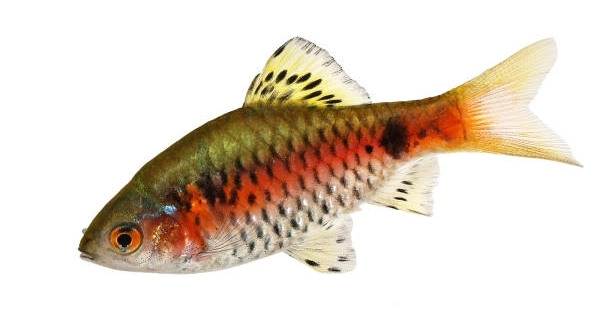
Is your rosy barb acting restless after a water change? Many fish owners notice changes in behavior following adjustments to their aquarium environment. This reaction is common and can be unsettling for those who care about their fish’s well-being.
Restlessness in rosy barbs after a water change is typically caused by sudden changes in water parameters such as temperature, pH, or chemical composition. These fluctuations can stress the fish as they adjust to the new environment, affecting their normal behavior temporarily.
Understanding why your fish behaves this way helps you provide better care and maintain a stable habitat. This article explains the causes and how to manage your rosy barb’s adjustment smoothly.
Causes of Restlessness After a Water Change
After a water change, rosy barbs often become restless because of sudden shifts in their environment. Changes in temperature, pH levels, and water chemistry can cause discomfort. Even slight differences in water hardness or chlorine content may stress them. Fish rely on stable conditions to feel safe, so abrupt alterations make them anxious. Additionally, water changes can stir up debris or disturb the substrate, which adds to their unease. It is important to match the new water as closely as possible to the existing tank water. Gradual adjustments help prevent shock. Monitoring the parameters before and after the change can reduce these issues. Sometimes, the filter needs time to balance the water properly after a change. Fish also react to the presence of new water smells or chemicals, which can cause them to swim erratically or hide.
Fish usually calm down within a few hours to a day once conditions stabilize.
A consistent water change routine with proper water conditioning reduces stress and keeps your rosy barbs comfortable.
How to Minimize Stress During Water Changes
A few simple steps can help ease your rosy barb’s restlessness during water changes. Use a water conditioner to remove chlorine and harmful chemicals from tap water. Always test the temperature and pH to ensure they match the tank’s existing water. Adding water slowly rather than all at once can help the fish adjust gradually. Avoid cleaning the entire tank or changing too much water at once, as this can shock your fish. Keeping a regular schedule for water changes also makes a big difference. Sudden or irregular changes confuse the fish and increase stress. Observe your fish after each change to catch signs of distress early. Small, frequent water changes generally maintain better water quality and a more stable environment, supporting your fish’s health in the long term. These actions create a calm, safe space for your rosy barbs to thrive.
Signs of Stress in Rosy Barbs
Restlessness is one common sign of stress in rosy barbs. Other behaviors may include rapid gill movement, hiding, or reduced appetite. These signs indicate the fish is uncomfortable with the current conditions.
Stress weakens the immune system and can make rosy barbs more vulnerable to disease. Rapid breathing or gasping at the surface may also occur if oxygen levels drop or water quality worsens. Erratic swimming or darting around the tank often shows that the fish is trying to escape an uncomfortable environment. Watching for these behaviors after a water change helps you identify if the fish needs extra care. Early detection allows for quick adjustments, such as improving water quality or reducing changes in the tank.
Long-term stress can lead to serious health problems, so maintaining stable conditions and addressing signs early is key to keeping rosy barbs healthy and active.
Best Practices for Water Changes
Use a clean bucket reserved for aquarium water to avoid contamination. Always remove no more than 20-25% of the water at once. Slowly add conditioned water that matches tank temperature and pH. Avoid changing gravel or decorations at the same time to minimize disruption.
Keeping a consistent schedule for partial water changes maintains water quality without shocking the fish. Test water parameters regularly to catch any imbalances before they cause stress. Slowly acclimate the fish if you need to introduce new water or a new tank setup. Maintaining proper filtration and aeration during and after water changes supports oxygen levels. These steps ensure a healthier environment and reduce restlessness caused by sudden water shifts. Consistency and gradual changes are the best ways to keep your rosy barbs calm and thriving.
Water Temperature and Its Effect
Water temperature changes can quickly stress rosy barbs. Even a few degrees difference from their usual tank temperature can cause restlessness. Keeping the temperature stable helps maintain their comfort and health.
Use a reliable heater and thermometer to monitor and adjust temperature. Sudden fluctuations make fish uneasy and may cause erratic swimming or hiding.
Importance of pH Stability
Maintaining stable pH is crucial for rosy barbs. Rapid pH shifts after a water change can disrupt their biological balance. Fish prefer a pH close to their original tank water to avoid stress. Regular testing helps ensure pH remains within a comfortable range. Using buffers or conditioners can prevent sudden pH swings.
Signs of Recovery
Calmer swimming and resumed feeding indicate recovery. Watch for a return to normal behavior over 24-48 hours after water changes.
When to Seek Help
If restlessness lasts more than a day or is accompanied by other symptoms, professional advice may be needed.
FAQ
Why is my rosy barb restless right after a water change?
Restlessness usually happens because the water parameters have changed suddenly. Rosy barbs are sensitive to shifts in temperature, pH, or chemicals like chlorine. When these factors vary quickly, the fish feel stressed and swim erratically or hide as they adjust to the new conditions.
How long does it take for rosy barbs to calm down after a water change?
Typically, rosy barbs settle within a few hours to a day after the water change. This time allows them to get used to the new water. If restlessness continues beyond 24 to 48 hours, it may be a sign of ongoing stress or water quality problems.
Can too much water change cause stress?
Yes, changing too much water at once can shock rosy barbs. Large water changes drastically alter the tank’s environment, making it difficult for fish to adapt. Partial water changes of 20-25% are recommended to keep conditions stable and minimize stress.
Should I change the water temperature gradually?
Absolutely. Sudden temperature changes are stressful for rosy barbs. Always adjust water temperature slowly to match the tank. Using a heater and thermometer helps keep it consistent. Gradual changes prevent shock and help fish remain calm.
Is it important to use a water conditioner?
Yes, water conditioners remove harmful substances like chlorine and chloramine from tap water. These chemicals can irritate fish gills and cause stress. Conditioning the water before adding it to the tank protects your rosy barbs during water changes.
Why do my rosy barbs hide after a water change?
Hiding is a natural response to stress. After a water change, fish may seek shelter to feel safer. This behavior usually goes away once they adapt to the new environment and feel more comfortable.
How often should I do water changes?
Regular partial water changes every one to two weeks help keep water quality high without causing stress. Consistency allows the fish to get used to the routine and maintains stable water conditions.
What signs show my fish are too stressed?
Look for rapid gill movement, loss of appetite, erratic swimming, or clamped fins. These signs indicate stress and should prompt a check of water quality and tank conditions. Early response helps prevent illness.
Can restlessness cause health problems?
Prolonged stress weakens the immune system, making fish more prone to infections and disease. Keeping water stable and stress low supports long-term health for your rosy barbs.
Is restlessness normal during tank cleaning?
Yes, fish often become restless during tank maintenance because the environment is disturbed. Minimizing how much you clean at once and doing it gently can reduce stress.
Should I feed my rosy barbs immediately after a water change?
It’s better to wait until your fish calm down before feeding. Restless fish may refuse food or not eat properly, so giving them time to adjust helps maintain good feeding habits.
Can adding plants help reduce stress after water changes?
Live plants provide hiding spots and improve water quality, which can reduce fish stress. They create a more natural environment that helps rosy barbs feel secure.
What water parameters are best for rosy barbs?
Ideal temperature is between 72-78°F (22-26°C), with a pH of 6.5 to 7.5. Stable parameters within these ranges help keep rosy barbs healthy and reduce stress.
How can I test my aquarium water?
Use aquarium test kits for pH, ammonia, nitrite, and nitrate. Regular testing helps detect harmful changes early, allowing prompt action to protect your fish.
What if restlessness continues despite stable water?
Other factors like disease, poor diet, or overcrowding can cause stress. Inspect fish for signs of illness and evaluate tank conditions. Consulting a specialist may be necessary for persistent problems.
Does water hardness affect rosy barbs’ behavior?
Yes, rosy barbs prefer moderately hard water. Sudden changes in hardness can upset their biological balance, causing stress and restlessness.
Can over-filtering cause restlessness?
Strong water currents from powerful filters may make rosy barbs uncomfortable. Adjust filter flow to create gentle movement, mimicking their natural habitat.
How do I acclimate new water during changes?
Add new water slowly over time rather than all at once. This helps fish adjust gradually to changes in chemistry and temperature, reducing stress.
Are there natural remedies to calm fish after water changes?
Some aquarists use stress-reducing additives, but these should be used carefully and sparingly. The best method remains stable water conditions and gentle handling during maintenance.
What’s the best way to prevent restlessness in rosy barbs?
Maintain consistent water parameters, perform regular partial water changes, and avoid sudden environmental changes. Providing a well-planted, comfortable tank encourages calm behavior.
Can noisy or bright environments affect fish stress?
Yes, loud noises or intense lighting can add to fish stress. Keep the tank in a quiet area with moderate lighting to support a peaceful environment.
Is it normal for rosy barbs to be more active after water changes?
Mild increased activity is normal as fish explore or react to new water. However, frantic or prolonged activity indicates stress that should be addressed.
How important is tank size in managing stress?
A spacious tank allows fish more room to swim and hide, reducing stress. Overcrowding leads to competition and restlessness, so adequate space is essential.
What role does diet play in stress levels?
A balanced diet strengthens fish health and resilience. Poor nutrition can worsen stress responses, so feeding quality food is important for rosy barbs.
Can introducing new fish cause restlessness in existing rosy barbs?
Yes, new fish can disrupt social dynamics and increase stress. Introduce newcomers slowly and monitor interactions to keep peace in the tank.
Restlessness in rosy barbs after a water change is a common reaction that many fish owners observe. This behavior mainly results from sudden changes in the aquarium environment, such as shifts in temperature, pH, or water chemistry. These factors can cause stress, making the fish swim more actively or hide as they try to adjust. Understanding this natural response helps in managing your fish’s comfort. By maintaining stable water conditions and introducing changes gradually, you can reduce the frequency and intensity of this restlessness. This creates a more peaceful environment for your rosy barbs to live and thrive.
Taking simple steps during water changes is key to preventing stress. Using a water conditioner to remove harmful chemicals, matching the temperature and pH closely, and performing partial water changes instead of full ones all contribute to a stable tank environment. Observing your fish after a water change is also important, so you can notice any unusual behavior early and act quickly. Calm fish that feed normally and swim steadily indicate that conditions are good. However, if restlessness lasts longer than a day or is combined with other signs like loss of appetite or erratic swimming, it may signal that something needs attention.
Regular care and attention to your tank will keep your rosy barbs healthy over time. Consistency in water changes, feeding, and monitoring water quality reduces stress and supports their immune system. Providing hiding spots and a suitable tank size also helps the fish feel safe. Remember, fish are sensitive to their environment, and small changes can have a big impact on their behavior. Taking these factors into account will lead to a happier and more balanced aquarium where your rosy barbs can flourish.

Hello,
If you enjoy the content that we create, please consider saying a "Thank You!" by leaving a tip.
Every little bit helps us continue crafting quality advice that supports the health, happiness, and well-being of pets around the world, for pets of all shapes, sizes, and species.
We really appreciate the kindness and support that you show us!