
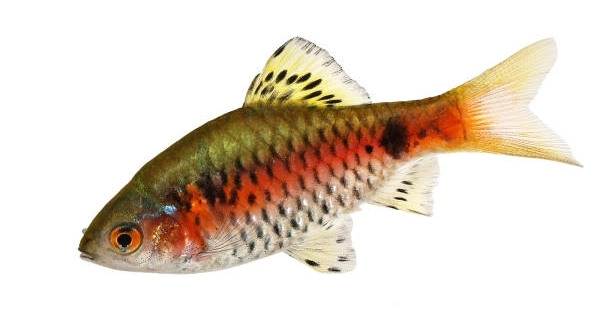
Rosy barbs are popular aquarium fish known for their lively behavior and social nature. Many aquarists enjoy observing how these fish interact within their tanks. Understanding their response to changes in their environment can improve tank management and fish welfare.
Rosy barbs can recognize rearrangements in their tank environment to some extent. They rely on visual cues and spatial memory to navigate their surroundings. Significant changes may cause temporary stress or exploration behavior until the fish adapt to the new setup.
Knowing how rosy barbs react to tank changes can help maintain a stable and comfortable habitat for them. This insight supports better care and a healthier aquarium environment.
How Rosy Barbs Use Their Environment
Rosy barbs rely heavily on their surroundings to feel secure and navigate their space. They use visual landmarks like plants, rocks, and decorations to recognize familiar areas. When the tank layout is changed, these fish may initially seem confused or stressed. This is because their usual routes and hiding spots are altered. Over time, they explore the new setup and gradually learn where everything is again. This adjustment period can last from a few hours to several days, depending on how drastic the changes are. It is important to observe their behavior closely during this time to ensure they are not overly stressed. Providing consistent lighting and some stable objects helps them regain comfort more quickly. Understanding these natural responses helps in making smarter decisions when rearranging a tank, keeping the fish’s well-being in mind.
Most rosy barbs adapt well if the changes are not too sudden or extreme. Gradual adjustments help them settle in faster.
Keeping their environment consistent supports their natural behavior and reduces stress, ensuring they remain active and healthy in the aquarium.
Signs of Stress After Rearrangement
Stress in rosy barbs after a tank rearrangement can show in various ways. They may hide more than usual, swim erratically, or lose appetite. It is important to watch for these signs to prevent long-term harm. Stress can weaken their immune system, making them vulnerable to illness. To reduce stress, it’s best to make changes gradually and provide plenty of hiding spots. Keeping water quality stable is equally essential. Regular monitoring after rearrangement helps catch problems early. Sometimes, adding familiar objects back into the tank can comfort the fish. Recognizing and addressing stress quickly ensures a healthier environment for rosy barbs and promotes their natural behavior to return swiftly.
Adjusting Tank Rearrangement for Rosy Barbs
Gradual changes in tank layout reduce stress for rosy barbs. Sudden rearrangements can confuse and unsettle them, so it’s better to shift decorations or plants little by little.
Small adjustments allow fish to familiarize themselves with the environment without feeling threatened. For example, moving one decoration at a time gives them time to explore and adapt. Introducing new elements slowly prevents abrupt disruptions. This approach also helps maintain water conditions, avoiding sudden changes in temperature or chemistry that can add stress. By pacing changes, the fish stay more comfortable and continue their normal routines. Careful planning of rearrangement benefits their well-being and encourages positive behavior.
Consistency is key. Keeping some stable landmarks while adjusting the tank helps rosy barbs feel secure during transitions.
Impact of Tank Layout on Behavior
Tank layout influences how rosy barbs swim and interact. Open swimming areas encourage active movement, while plants and hiding spots offer security and rest. A balanced environment supports natural behavior.
Proper layout reduces aggression and competition by giving fish enough space and shelter. It also helps establish social hierarchies without constant conflict. When the tank is too crowded or poorly arranged, stress and illness risk increase. Observing how fish behave in different setups provides clues about their comfort levels. Adjusting the layout to match their needs promotes healthier, more relaxed fish. A thoughtful design encourages exploration and normal social interactions, making the aquarium a better place for rosy barbs.
Recognizing Familiar Territory
Rosy barbs remember key features in their tank, such as plants or decorations. These landmarks help them navigate and feel safe in their environment.
When these familiar spots are moved, rosy barbs may explore more actively until they relearn their surroundings. This behavior shows their ability to recognize and adjust to changes.
Importance of Stable Hiding Spots
Providing consistent hiding places is essential for reducing stress. These safe zones give rosy barbs comfort during and after rearrangement, helping them feel secure.
Effect of Lighting on Recognition
Lighting plays a crucial role in how rosy barbs perceive their tank. Proper lighting enhances visibility of landmarks, making it easier for fish to recognize and adjust to changes.
Minimal Impact of Rearrangement Frequency
Frequent, small rearrangements tend to cause less stress than rare, drastic changes. Regular minor adjustments allow rosy barbs to adapt steadily without overwhelming disruption.
FAQ
Can rosy barbs get lost if the tank is rearranged?
Rosy barbs rely on visual cues and landmarks to navigate. When their tank is rearranged, especially if changes are significant, they might initially seem disoriented. However, they quickly explore and learn the new layout. They rarely get truly lost but may swim hesitantly until they adapt. Keeping some stable features during rearrangement helps them maintain orientation and reduces confusion.
How long does it take for rosy barbs to adjust to a new tank setup?
Adjustment time varies based on the extent of changes and individual fish behavior. Typically, it takes anywhere from a few hours to several days for rosy barbs to feel comfortable again. Gradual rearrangement speeds up this process, allowing them to slowly familiarize themselves with new hiding spots and swimming routes.
Are there signs that indicate rosy barbs are stressed from rearrangement?
Yes. Common signs include hiding more than usual, reduced swimming activity, erratic movements, and decreased appetite. Stress can weaken their immune system, so it’s important to observe their behavior carefully after any tank changes. Providing hiding places and stable water conditions can help ease their stress.
Is it better to rearrange the tank all at once or gradually?
Gradual rearrangement is best. Moving one or two decorations at a time reduces stress and confusion. Sudden, drastic changes can unsettle rosy barbs, causing temporary behavioral issues. Slowly altering the tank lets fish adapt naturally, maintaining their comfort and normal routines.
Do rosy barbs recognize individual tank decorations?
Yes, they do. Rosy barbs use decorations as landmarks to navigate and feel secure. Removing or moving these can affect their behavior temporarily. Keeping familiar decorations in place during rearrangement helps them feel safe.
Can frequent tank rearrangements harm rosy barbs?
Frequent minor changes tend to cause less stress than rare, large alterations. However, constant rearrangement without allowing adaptation time can confuse and stress the fish. It’s important to balance changes with periods of stability to keep rosy barbs comfortable.
What role does water quality play during tank rearrangement?
Maintaining stable water parameters is crucial. Rearranging the tank should not affect water temperature, pH, or cleanliness. Any fluctuations can add to the fish’s stress. Regular testing and proper filtration support their health during and after changes.
How can I help rosy barbs settle after rearrangement?
Provide plenty of hiding spots and keep some familiar decorations in place. Avoid sudden lighting changes and maintain steady water conditions. Observe their behavior and feed them normally to encourage regular activity.
Do rosy barbs use memory to navigate their tank?
Yes, rosy barbs have spatial memory. They remember locations of plants, rocks, and other landmarks, which helps them move confidently. Rearrangement challenges this memory but fish can quickly update their mental map with exploration.
Will rearranging the tank improve rosy barbs’ health or behavior?
Rearrangement can stimulate exploration and reduce boredom if done thoughtfully. However, too frequent or drastic changes may cause stress. Balancing novelty with stability promotes healthy behavior and a happier environment for rosy barbs.
Final Thoughts
Rosy barbs are adaptable fish that can recognize changes in their tank environment. They use landmarks and spatial memory to navigate, so when the layout changes, they may feel unsure at first. This reaction is natural and usually temporary. With time, they explore the new setup and adjust to it. Knowing this helps in managing rearrangements carefully to avoid unnecessary stress for the fish. Gradual changes and keeping some familiar decorations can make the transition smoother.
Stress from tank rearrangement can affect rosy barbs, but it can be minimized by planning the process well. Sudden and large changes tend to cause more stress than slow, small adjustments. Providing plenty of hiding spots during and after the rearrangement gives the fish places to feel safe. Maintaining stable water conditions is equally important because water quality influences their health and comfort. Observing their behavior closely after any change allows timely intervention if signs of stress appear.
Rearranging a tank can be beneficial when done properly. It encourages exploration and prevents boredom for rosy barbs. However, balance is key. Frequent minor adjustments work better than rare, major ones. Understanding how rosy barbs react to changes lets aquarium owners create a healthy and comfortable environment. This knowledge supports the well-being of the fish and enhances the overall aquarium experience.

Hello,
If you enjoy the content that we create, please consider saying a "Thank You!" by leaving a tip.
Every little bit helps us continue crafting quality advice that supports the health, happiness, and well-being of pets around the world, for pets of all shapes, sizes, and species.
We really appreciate the kindness and support that you show us!