
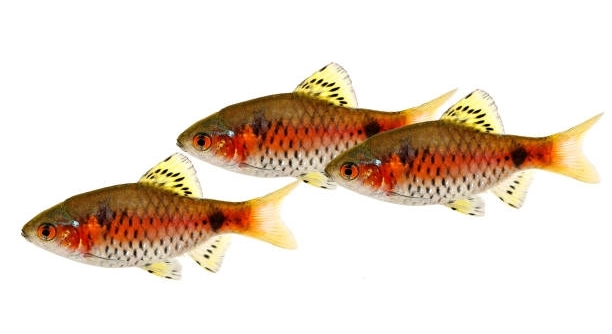
Adding new rosy barbs to your aquarium can enhance its beauty and vitality. Many aquarium enthusiasts want to introduce these vibrant fish without stress or harm. It is important to choose methods that keep the fish safe and comfortable during the process.
The most effective methods to add new rosy barbs focus on minimizing stress through gradual acclimation, proper quarantine, stable water conditions, and gentle introduction techniques. These steps help maintain fish health and encourage successful adaptation in their new environment.
Understanding these simple yet essential practices can improve the well-being of your rosy barbs. Following the right approach ensures a smoother transition and a healthier aquarium overall.
Preparing the Aquarium for New Rosy Barbs
Before adding new rosy barbs, it is crucial to prepare the aquarium properly. Start by testing the water parameters such as pH, temperature, and ammonia levels. Rosy barbs thrive in water with a pH between 6.5 and 7.5 and temperatures around 68-78°F. Make sure the tank is clean and the filtration system is working well. Adding some live plants and hiding spots can help reduce stress for the new fish. It is also a good idea to perform a partial water change a day before introducing the fish. This will ensure fresh, clean water and reduce the risk of disease. Avoid overcrowding by keeping the number of fish appropriate for your tank size. All these steps help create a comfortable environment where rosy barbs can settle quickly and stay healthy.
A well-prepared tank reduces stress and increases the chances of a smooth introduction. This care sets the foundation for healthy fish.
It’s important to remember that sudden changes can shock the fish. Taking time to stabilize the environment before adding rosy barbs makes a significant difference. This attention to detail supports their adjustment and helps prevent illness caused by stress or poor water quality. Simple preparation goes a long way toward a successful addition of new rosy barbs to your aquarium.
Acclimating New Rosy Barbs Properly
Acclimation helps the fish adjust gradually to the new water conditions. It is best to use the drip acclimation method for this process.
Drip acclimation involves slowly mixing tank water with the water in the bag holding the new fish. This method avoids rapid changes that could harm the fish.
To start, float the sealed bag in the aquarium for 15 minutes to equalize temperature. Then, use a clean container to transfer the fish and begin dripping water from the tank into the container at a slow pace. This can be done by tying a small tube into a drip or using a slow flow faucet. Over the course of 1-2 hours, the water in the container should double or triple, gradually matching the tank’s parameters. After this, gently transfer the rosy barbs into the aquarium without adding the bag water. This careful process reduces stress and helps the fish adapt to the new environment more easily.
Quarantine New Rosy Barbs
Quarantining new rosy barbs prevents diseases from spreading to your main tank. It’s a crucial step to protect your existing fish.
Set up a separate tank with similar water conditions. Keep the new fish isolated for at least two weeks. During this time, observe them closely for any signs of illness or stress. Treat any issues immediately to avoid problems later. This practice helps maintain a healthy environment in your main aquarium and ensures your rosy barbs are disease-free before joining the community.
Quarantine also gives the fish time to adjust gradually to the water conditions. It reduces the risk of sudden shocks when they are moved to the main tank. Maintaining cleanliness and proper care during this period supports their well-being and helps them thrive once introduced.
Monitoring Behavior After Introduction
After adding rosy barbs to your aquarium, closely monitor their behavior. Watch for signs of aggression, stress, or illness during the first few days. Healthy fish will swim actively and explore their surroundings.
If you notice any unusual behavior like hiding, gasping, or loss of appetite, act promptly. These could be signs of water issues or disease. Check water parameters again and consider additional quarantine if needed. Providing a calm environment and minimal disturbances helps the fish settle faster. Observing their interactions with other tank mates is important to prevent bullying. Early attention to behavior changes ensures the long-term health of your rosy barbs and maintains a peaceful aquarium.
Choosing Compatible Tank Mates
Rosy barbs do well with other peaceful fish of similar size. Avoid aggressive species that may harm them.
Good companions include danios, tetras, and small gouramis. This helps maintain a balanced and calm aquarium environment.
Maintaining Stable Water Conditions
Consistent water quality is essential for rosy barbs’ health. Frequent testing for ammonia, nitrites, and nitrates keeps the environment safe. Regular water changes, about 20-30% weekly, prevent toxin buildup and support fish well-being. Stable temperature and pH help reduce stress and encourage active behavior in rosy barbs.
Feeding Rosy Barbs Properly
Feed rosy barbs a varied diet including flakes, pellets, and live or frozen foods. Balanced nutrition supports their color and energy.
FAQ
How long does it take for rosy barbs to settle in a new tank?
Rosy barbs usually take about one to two weeks to adjust fully. During this time, they may hide or swim less actively as they get used to the new environment. Proper acclimation and a stress-free introduction help speed up this process.
Can rosy barbs live with smaller fish?
It is best to avoid keeping rosy barbs with much smaller fish like neon tetras or shrimp. Rosy barbs can be semi-aggressive and may nip fins or chase smaller tank mates. Choosing fish of similar size and temperament is safer.
What is the ideal tank size for rosy barbs?
A minimum tank size of 30 gallons is recommended for a small group of rosy barbs. They are active swimmers and need space to move freely. Larger tanks help reduce stress and aggression.
How often should I feed rosy barbs?
Feeding rosy barbs once or twice a day with small portions is ideal. Overfeeding can pollute the tank and cause health issues. Offer a balanced diet including flakes, pellets, and occasional live or frozen foods.
Do rosy barbs need special lighting?
Normal aquarium lighting works well for rosy barbs. Avoid very bright or direct light, as it may stress the fish. Providing some shaded areas with plants or decorations helps them feel secure.
What water temperature is best for rosy barbs?
Rosy barbs prefer temperatures between 68°F and 78°F. Sudden changes should be avoided to prevent shock. Keeping a stable temperature within this range supports their immune system and activity levels.
How can I tell if my rosy barbs are stressed?
Signs of stress include hiding, loss of appetite, dull colors, and rapid breathing. If you notice these symptoms, check water quality and tank conditions. Improving the environment or adjusting the fish group may help reduce stress.
Is it necessary to quarantine new rosy barbs?
Quarantine is highly recommended. It helps prevent the introduction of diseases to your main tank. A quarantine period of at least two weeks allows for observation and treatment if needed.
Can rosy barbs breed in a community tank?
They can breed, but success depends on tank conditions and the presence of hiding spots. If you want to raise fry, it’s best to have a separate breeding tank to protect the young fish.
What common diseases affect rosy barbs?
Rosy barbs may suffer from fin rot, ich, and fungal infections. Maintaining good water quality and quarantine reduces these risks. Early detection and treatment are important for recovery.
How many rosy barbs should be kept together?
A group of at least five rosy barbs is ideal. They are schooling fish and feel safer in numbers. Keeping fewer can cause stress and increase aggression.
Can rosy barbs live with goldfish?
It’s not recommended to keep rosy barbs with goldfish. Goldfish prefer cooler water and produce more waste, which can affect water quality for rosy barbs.
What decorations help rosy barbs feel comfortable?
Live plants, smooth rocks, and hiding spots like caves create a natural and secure environment. Avoid sharp objects that might injure the fish.
How do I prevent rosy barbs from fin nipping?
Providing plenty of space and hiding spots reduces aggression. Keeping them in proper-sized groups also helps limit fin nipping behavior.
Are rosy barbs good beginner fish?
Yes, they are hardy and adaptable, making them suitable for beginners. However, attention to water quality and tank mates is still necessary for their health.
How do I introduce rosy barbs to an established tank?
Acclimate them slowly using the drip method and monitor behavior after introduction. Avoid overcrowding and keep the environment stable to ease the transition.
Adding new rosy barbs to your aquarium can be a rewarding experience when done carefully. Taking the time to prepare the tank, acclimate the fish, and monitor their behavior ensures they settle in well and remain healthy. These simple steps help reduce stress and prevent common problems that may arise when introducing new fish. Keeping water conditions stable and choosing compatible tank mates also play important roles in maintaining a balanced environment. When the basics are done right, rosy barbs add lively movement and bright color to your aquarium.
Patience is key when adding any new fish to a community tank. Rosy barbs, like many species, need time to adjust to new surroundings. Rushing the process or skipping important steps can lead to stress and illness. A quarantine period before introduction is helpful to catch any health issues early. Gradual acclimation reduces shock from sudden changes in water parameters. Once in the tank, careful observation allows you to notice any signs of discomfort or aggression. These actions protect both new and existing fish, promoting a peaceful and healthy tank environment.
Remember, every aquarium is unique, and what works well for one setup might need adjustment in another. Pay attention to how your rosy barbs respond after introduction and be ready to make small changes if needed. Regular maintenance and water testing will support their long-term health. By following straightforward, stress-free methods, you can successfully add new rosy barbs and enjoy their beauty for a long time. This approach makes keeping and caring for your fish a more enjoyable experience overall.

Hello,
If you enjoy the content that we create, please consider saying a "Thank You!" by leaving a tip.
Every little bit helps us continue crafting quality advice that supports the health, happiness, and well-being of pets around the world, for pets of all shapes, sizes, and species.
We really appreciate the kindness and support that you show us!