
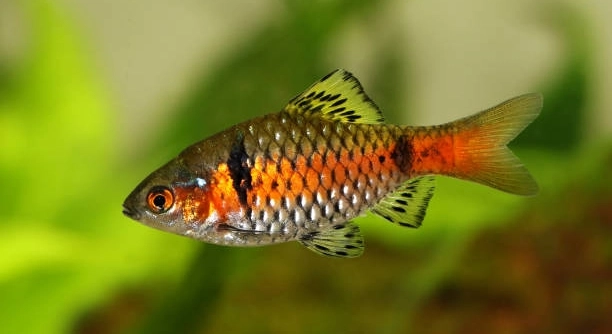
Rosy barbs are popular aquarium fish known for their bright colors and active behavior. Many aquarium owners notice changes in their fish before tank cleanings. Understanding if these fish can sense such events helps improve tank care.
Rosy barbs do not possess a specific ability to sense tank cleanings in advance. However, they react to changes in water conditions, vibrations, and disturbances caused by cleaning activities. Their behavior is influenced by environmental shifts rather than anticipation.
Observing how rosy barbs respond during cleanings can improve tank management and fish well-being. This article explores their behavior and offers useful insights for aquarium enthusiasts.
How Rosy Barbs React to Tank Cleaning
Rosy barbs are sensitive to sudden changes in their environment. When a tank cleaning happens, they may notice shifts in water flow, temperature, and the movements around the tank. These changes can make them swim nervously or hide more than usual. Their reaction is mostly instinctive, driven by the disturbance rather than an ability to predict the event. The sound of cleaning tools or the vibrations caused by scraping algae can also startle them. While some fish quickly return to normal behavior, others may stay cautious for hours. Over time, they may associate certain routines or noises with cleaning, reacting with mild stress. This reaction is a natural way to protect themselves from potential threats in their environment. By understanding these responses, tank owners can minimize stress by cleaning carefully and maintaining stable water conditions.
Cleaning disturbances cause noticeable behavior shifts in rosy barbs. Their reactions depend on how sudden and intense the cleaning process is.
Regular observation of their responses helps in planning cleaning sessions that reduce stress and keep fish healthy. Using gentle methods and avoiding abrupt changes can improve their comfort. It is also useful to clean only parts of the tank at a time, allowing fish to adjust gradually. Keeping a calm approach and maintaining stable water parameters before and after cleaning will reduce negative impacts. Rosy barbs thrive in stable conditions, so limiting disturbance helps them stay active and healthy. Patience and careful timing during cleaning can improve the overall well-being of the fish.
Signs Your Rosy Barbs Are Stressed by Cleaning
Stress in rosy barbs shows through various visible signs. They may lose their bright color, swim erratically, or stay hidden for longer periods. Stress can also weaken their immune system, making them vulnerable to diseases. If these signs persist after cleaning, it is important to check water quality and tank conditions. Proper care after cleaning helps fish recover quickly.
Recognizing stress signs early prevents long-term health problems. Taking steps to calm fish post-cleaning is essential.
To support rosy barbs after a tank cleaning, ensure water temperature and pH levels remain stable. Avoid overfeeding and keep lighting gentle. Introducing plants and decorations offers hiding spots that help reduce anxiety. It is important to monitor fish closely for any unusual behavior or signs of illness. A slow and gradual cleaning process minimizes stress and supports fish health. Over time, fish may become accustomed to the routine, showing less reaction. Consistent care and attention during and after cleaning lead to a healthier, more vibrant aquarium environment.
Preparing Your Tank to Reduce Stress
Preparing the tank before cleaning helps lower stress for rosy barbs. Small adjustments can make a big difference in their behavior and health.
Start by turning off strong filters or air pumps briefly during cleaning to reduce noise and vibrations. Make sure replacement water matches the tank’s temperature and pH to avoid shocking the fish. Removing decorations carefully and cleaning them outside the tank prevents stirring up too much debris. Gradually clean parts of the tank instead of all at once to keep the environment stable. These steps reduce sudden changes, helping fish stay calm and comfortable during maintenance.
Consistent preparation before each cleaning builds a calmer environment for rosy barbs. Over time, fish will react less strongly when they experience fewer sudden disturbances. This care also protects beneficial bacteria important for water quality, supporting fish health between cleanings.
Tools and Techniques for Gentle Cleaning
Using the right tools is important to keep the tank clean without stressing rosy barbs. Soft brushes and siphons work well to remove debris without causing excessive disturbance.
Avoid harsh scrubbing or strong water currents that can scare the fish. Instead, use gentle, slow movements when cleaning tank walls and substrate. Partial water changes help maintain cleanliness while keeping the fish comfortable. Regular, smaller cleanings are better than infrequent deep cleans because they cause less shock. Keeping gravel vacuumed and filters checked prevents buildup without disrupting the tank environment. These techniques protect fish well-being while maintaining a healthy tank.
Gentle cleaning methods support a balanced aquarium environment, making care easier and less stressful for both fish and owners.
Timing Your Tank Cleanings
Cleaning your tank at consistent times helps reduce fish stress. Rosy barbs become familiar with routines and react less to predictable events.
Avoid cleaning during feeding times or when fish are most active. Early mornings or late afternoons are often better to minimize disruption.
Signs Your Rosy Barbs Need More Rest
If rosy barbs hide for long periods or lose appetite after cleaning, they may need more recovery time. These signs indicate stress or discomfort.
Giving them extra time without disturbance allows them to regain normal behavior and energy levels.
Monitoring Water Quality Post-Cleaning
Maintaining stable water quality after cleaning is essential. Test for ammonia, nitrites, and pH to ensure safe conditions for rosy barbs.
Regular monitoring prevents sudden water parameter changes that can harm fish and trigger stress responses.
Avoiding Overcleaning
Overcleaning disrupts beneficial bacteria and can harm the tank environment. Balance cleaning with the needs of the ecosystem inside the aquarium.
FAQ
Can rosy barbs really sense when a tank cleaning is about to happen?
Rosy barbs do not have a special ability to predict tank cleanings. What they notice are changes in their environment, such as vibrations, water movement, or noises during cleaning. These disturbances make them react, but they do not anticipate the event before it starts.
Why do rosy barbs act nervous during tank cleaning?
Their nervous behavior is a response to sudden changes. Cleaning causes shifts in water flow, temperature, and light, which can make them feel threatened. This reaction is a natural survival instinct triggered by environmental disruption.
How can I reduce my rosy barbs’ stress during cleaning?
Prepare the tank by matching replacement water temperature and pH, clean in parts instead of all at once, and use gentle tools. Turning off strong filters and minimizing noise during cleaning also helps fish stay calm.
How often should I clean my tank without stressing the fish?
Regular small cleanings are better than infrequent deep cleans. Partial water changes every one to two weeks, combined with substrate vacuuming and filter maintenance, keep water quality stable and reduce stress for rosy barbs.
What signs show my rosy barbs are stressed after cleaning?
Look for faded colors, hiding more than usual, erratic swimming, or loss of appetite. These signs indicate that the fish are feeling uneasy and need time to recover in stable conditions.
Is it harmful to clean the whole tank at once?
Cleaning the entire tank at once can disturb beneficial bacteria that maintain water quality. It also causes a sudden environmental change that stresses fish. Cleaning sections gradually helps maintain balance and reduces stress.
Can rosy barbs get used to tank cleaning routines?
Yes, over time, consistent cleaning routines can help reduce the fish’s stress. They become familiar with the process and react less strongly when they experience fewer sudden disturbances.
Should I remove the fish during tank cleaning?
Removing rosy barbs is generally not necessary and can cause additional stress. Instead, clean the tank carefully around them, and avoid sudden movements or loud noises.
What water parameters should I check after cleaning?
Test ammonia, nitrites, nitrates, pH, and temperature after cleaning. Stable water parameters ensure the tank remains safe for rosy barbs and help prevent stress-related illnesses.
Can too frequent cleanings harm rosy barbs?
Yes, overcleaning disrupts the tank’s natural balance and beneficial bacteria. This can lead to poor water quality and stress the fish. Clean only what is necessary, and maintain a regular but not excessive cleaning schedule.
Are there specific tools better suited for gentle tank cleaning?
Soft brushes, gravel vacuums, and siphons are ideal for gentle cleaning. Avoid using harsh scrubbing tools or creating strong water currents, as these can frighten or injure the fish.
How long does it take for rosy barbs to calm down after cleaning?
Calming time varies but usually takes a few hours to a day. Providing stable water conditions and a quiet environment speeds recovery.
Can stress from cleaning cause disease in rosy barbs?
Prolonged stress weakens their immune system, making them more prone to infections. Minimizing stress during cleaning is important for preventing health issues.
What should I do if my rosy barbs appear sick after cleaning?
Check water quality first and correct any imbalances. Isolate sick fish if needed and consult a vet or fish care expert for treatment advice.
How do lighting changes during cleaning affect rosy barbs?
Sudden lighting changes can add to stress. Keeping lighting steady or dimming lights during cleaning helps fish feel more secure.
Can decorations help reduce stress during cleaning?
Yes, plants and hiding spots provide safe areas for fish to retreat. Leaving some decorations in place during cleaning can help rosy barbs feel less exposed.
Final Thoughts
Taking care of rosy barbs involves understanding their behavior and needs, especially during tank cleanings. These fish do not have a special ability to sense when a cleaning is coming, but they do react to the changes that happen during the process. Vibrations, water movement, and noises can cause them to feel uneasy. Knowing this helps aquarium owners prepare in ways that reduce stress and keep their fish healthy. Simple actions like matching water temperature, cleaning gradually, and using gentle tools can make a big difference in how rosy barbs respond.
It is important to keep tank conditions stable before, during, and after cleaning. Sudden changes in water quality or environment can cause stress that affects fish behavior and health. Regular monitoring of water parameters such as pH, ammonia, and temperature helps prevent problems. Rosy barbs show signs of stress through changes in color, hiding, or loss of appetite. Recognizing these signs early allows owners to adjust care and give fish time to recover. A calm and steady approach to tank maintenance supports their well-being over time.
Consistency is key when caring for rosy barbs. Keeping cleaning routines predictable and gentle helps the fish get used to the process, reducing anxiety. Avoiding overcleaning preserves beneficial bacteria and the balance within the tank. Providing hiding places and avoiding sudden lighting changes during cleaning also supports the fish’s comfort. Taking these steps ensures that tank maintenance is less stressful for rosy barbs and improves their overall health. Thoughtful care makes the aquarium a better environment for both the fish and their caretakers.

Hello,
If you enjoy the content that we create, please consider saying a "Thank You!" by leaving a tip.
Every little bit helps us continue crafting quality advice that supports the health, happiness, and well-being of pets around the world, for pets of all shapes, sizes, and species.
We really appreciate the kindness and support that you show us!