
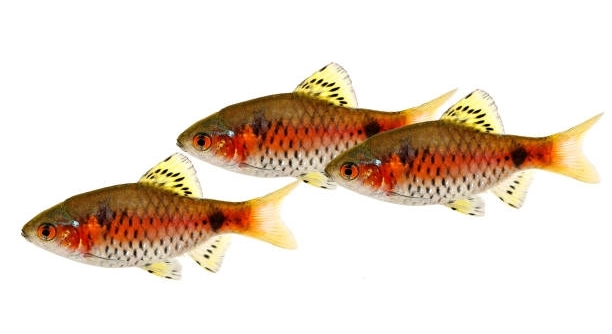
Is your rosy barb swimming back and forth as if it’s on a mission? Many fish owners notice this behavior and wonder what it means. This kind of movement can be a sign of natural instincts or environmental factors in the tank.
Rosy barbs often patrol their environment to establish territory or search for food. This behavior is normal and indicates active engagement with their surroundings, helping them feel secure and maintain social order within their group.
Understanding why your rosy barb acts this way can help improve its habitat and care. The reasons behind this patrolling reveal important details about your fish’s well-being and tank dynamics.
Why Rosy Barbs Patrol Their Territory
Rosy barbs often patrol their tanks to mark and protect their territory. This behavior helps reduce conflicts among fish by establishing clear boundaries. When a rosy barb swims around the tank purposefully, it is usually checking for intruders or new objects that may disrupt its space. This territorial patrolling is especially common in smaller tanks where space is limited. In larger tanks, rosy barbs may still patrol but tend to be less aggressive about territory. This behavior also helps them stay alert and active, which is important for their health. Patrolling can serve as a way for the fish to explore and understand changes in the environment. Watching this behavior can give owners clues about the social dynamics and stress levels in the tank. Recognizing these patterns helps maintain a balanced and peaceful aquarium environment.
Regular patrolling shows your rosy barb is healthy and aware of its surroundings.
Maintaining proper tank size and decorations can reduce territorial stress. Providing enough space and hiding spots helps fish feel secure, preventing excessive patrolling or aggression. If multiple rosy barbs are kept together, ensuring they have enough room to establish their own areas can minimize disputes. Observing your fish’s movements allows you to adjust the environment to meet their needs. A well-arranged tank with natural plants and rocks encourages exploration without causing territorial disputes. If patrolling becomes obsessive or aggressive, it may indicate overcrowding or stress. Adjusting water quality, temperature, and feeding schedules also supports calmer behavior. Understanding how your rosy barb interacts with its environment helps keep it content and less anxious.
How Tank Conditions Affect Patrolling Behavior
Tank size, decorations, and water quality all influence how much a rosy barb patrols its area.
A small tank or poor water conditions can increase patrolling as the fish tries to establish control or cope with stress. Overcrowding forces fish to compete for space, causing more frequent territorial swimming. Lack of hiding spots or environmental enrichment leaves the fish with fewer options for retreat, making patrolling more intense. Good water quality with regular changes reduces stress and promotes natural behavior. Maintaining stable temperature and pH also supports calmness. When tank conditions improve, rosy barbs tend to patrol less aggressively and show more relaxed movements. Proper care creates a balanced habitat where fish feel safe and secure.
If your rosy barb’s patrolling seems excessive, review tank conditions closely. Adjust tank size or layout if needed to give fish room to establish territories peacefully. Consider adding plants or decorations that create natural boundaries. Frequent water testing and maintenance ensure a healthy environment. Balanced feeding schedules reduce competition for food, which can also affect behavior. Watching for signs of stress like fin clamping or hiding helps identify issues early. When tank conditions support natural instincts, your rosy barb’s patrolling becomes a normal and healthy activity. This understanding helps create a peaceful aquarium where fish thrive and owners enjoy observing them.
Signs That Patrolling May Indicate Stress
Excessive patrolling can sometimes signal stress in rosy barbs. Stress causes restless or repetitive swimming patterns, which may impact their health if not addressed.
When rosy barbs patrol excessively, it often means they are uncomfortable or anxious. Causes of stress include overcrowded tanks, poor water quality, or sudden changes in their environment. Stress weakens their immune system, making them prone to disease. Observing other signs such as faded colors, loss of appetite, or hiding helps confirm stress. It is important to identify and correct the cause quickly to prevent long-term harm.
Monitoring your fish’s behavior closely allows you to spot stress early. Simple adjustments like improving water conditions, increasing tank size, or adding plants can reduce stress. Keeping a consistent feeding schedule and avoiding sudden changes also helps. Providing a calm and stable environment supports your rosy barb’s well-being and reduces unnecessary patrolling.
How to Create a Comfortable Environment for Rosy Barbs
A comfortable tank reduces excessive patrolling by meeting the needs of rosy barbs. Proper tank size, good water quality, and natural decorations create a peaceful setting.
Rosy barbs need at least 20 gallons of space to swim freely without feeling crowded. Regular water changes and testing keep parameters stable, which lowers stress. Adding plants, rocks, and hiding places allows fish to retreat and explore, reducing the need to patrol aggressively. Balanced feeding and a varied diet keep them healthy and less anxious. Consistency in lighting and temperature further promotes calm behavior. Small changes in tank layout can make a big difference in your fish’s comfort.
A comfortable environment supports natural behaviors and reduces signs of stress. When rosy barbs feel secure, patrolling becomes a healthy part of their activity rather than a sign of tension. Taking care to create this environment helps your fish live a longer, happier life.
Understanding Social Behavior in Rosy Barbs
Rosy barbs are social fish that interact constantly with their tank mates. Their patrolling helps maintain group hierarchy and communication.
This behavior also prevents conflicts by showing presence and boundaries within the group. A well-balanced social environment reduces stress and aggressive patrolling.
Managing Aggression Among Rosy Barbs
Aggression in rosy barbs often appears as chasing or chasing-like patrolling. It usually happens when the tank is overcrowded or lacks hiding spots. Separating aggressive individuals or increasing tank size can help ease tensions and create a more peaceful environment.
When to Consult a Veterinarian
If patrolling is paired with signs of illness or injury, a veterinarian’s advice is important. Health issues may cause abnormal behavior requiring professional care.
Common Mistakes in Rosy Barb Care
Ignoring tank maintenance and overcrowding are frequent mistakes leading to stress and excessive patrolling. Regular care prevents these issues.
FAQ
Why is my rosy barb constantly swimming back and forth?
This behavior is usually a sign of territorial patrolling. Rosy barbs swim around to establish boundaries and stay alert to any changes in their environment. It helps them feel safe and maintain social order among other fish. However, if the swimming seems frantic or repetitive, it may indicate stress or discomfort.
Can excessive patrolling harm my rosy barb?
Excessive patrolling itself is not harmful but can be a symptom of stress, which affects your fish’s health. Stress can weaken their immune system, making them vulnerable to illness. Ensuring a proper tank environment, with enough space and good water quality, reduces the risk of harmful behaviors.
How much space does a rosy barb need to reduce patrolling stress?
A tank of at least 20 gallons is recommended for a small group of rosy barbs. More space allows fish to establish territories without constant confrontation. Overcrowding increases stress and causes excessive patrolling, chasing, and aggressive behavior.
What tank conditions help calm a patrolling rosy barb?
Stable water temperature between 64°F and 72°F, a pH of 6.5 to 7.5, and regular water changes keep fish healthy and calm. Adding plants and decorations gives hiding spots and breaks line of sight, reducing territorial disputes and excessive patrolling.
Does feeding affect patrolling behavior?
Yes, irregular feeding or competition for food can increase stress and cause more patrolling. Feeding smaller amounts multiple times a day and ensuring all fish get food helps reduce aggressive behavior related to feeding.
Can patrolling mean my rosy barb is sick?
Patrolling alone doesn’t usually mean illness. But if combined with signs like loss of color, clamped fins, or lethargy, it may indicate health problems. In that case, testing water quality and consulting a vet or fish expert is advised.
How do I know if my rosy barb’s patrolling is normal or excessive?
Normal patrolling involves calm, steady swimming as the fish checks its environment. Excessive patrolling looks like nonstop pacing or frantic movement. Observing your fish over time helps distinguish between healthy behavior and stress.
What should I do if my rosy barb is too aggressive while patrolling?
Try increasing tank size or rearranging decorations to create more hiding places. Reducing overcrowding by removing some fish can also help. If aggression persists, consider separating the most aggressive individuals to protect others.
Can tank mates influence rosy barb patrolling behavior?
Yes, aggressive or territorial tank mates can cause your rosy barb to patrol more often as a defensive response. Choosing compatible, peaceful species reduces stress and excessive territorial behavior.
How often should I clean the tank to keep my rosy barb comfortable?
Regular water changes, about 20-30% weekly, help maintain water quality and reduce stress. Dirty water increases stress and can lead to excessive patrolling or illness. Cleaning filters and removing waste are also important parts of tank maintenance.
Is it normal for rosy barbs to patrol at night?
Rosy barbs are generally less active at night but may still swim occasionally. Excessive nighttime patrolling could indicate stress or discomfort. Ensuring a proper day-night cycle with consistent lighting helps maintain their natural behavior.
Can adding plants reduce patrolling behavior?
Yes, plants provide shelter and break up the tank visually. This helps reduce territorial disputes and gives fish places to rest. Live plants also improve water quality, further supporting your rosy barb’s well-being.
What role does water temperature play in patrolling?
Temperature outside the ideal range can stress rosy barbs, causing restlessness and more patrolling. Keeping water between 64°F and 72°F supports calm behavior and good health.
Should I change my tank setup if my rosy barb keeps patrolling aggressively?
Adjusting tank size, adding decorations, and ensuring proper water parameters often help reduce aggressive patrolling. Experiment with rearranging the tank layout to create distinct territories and hiding spots.
How many rosy barbs should be kept together?
A small group of at least five rosy barbs is ideal. They are schooling fish and feel safer with companions. Too few may cause stress and odd behavior, while too many cause overcrowding and territorial disputes.
Can stress from patrolling cause other health problems?
Yes, chronic stress can weaken immune response, making fish prone to infections and diseases. Addressing causes of stress early ensures a healthier, happier rosy barb.
What are signs that patrolling is due to stress rather than normal behavior?
Signs include frantic or nonstop swimming, hiding, loss of appetite, faded color, or clamped fins. Monitoring these alongside patrolling helps identify if your fish needs intervention.
How long does it take for rosy barbs to settle in a new tank?
Rosy barbs may patrol more as they explore a new tank. It can take days to weeks for them to settle, depending on tank size and setup. Providing hiding spots speeds up adjustment.
Is it okay to have other fish species with rosy barbs?
Yes, peaceful species that tolerate similar water conditions are good companions. Avoid aggressive or very territorial fish that could cause stress and increase patrolling.
What should I do if I notice sudden changes in my rosy barb’s patrolling?
Check water quality, tank conditions, and any recent changes in environment or tank mates. Sudden behavior changes often signal stress or illness. Promptly addressing these factors supports your fish’s health.
Final thoughts on understanding your rosy barb’s patrolling behavior focus on recognizing it as a natural part of their instincts. Patrolling helps these fish feel safe and maintain order within their environment. It is a normal activity that shows they are aware of their surroundings and interacting with their tank. While this behavior may sometimes seem restless, it usually indicates a healthy and alert fish. Observing how often and in what way your rosy barb patrols can give useful insight into its well-being.
It is important to pay attention when patrolling becomes excessive or aggressive. This may signal stress or discomfort caused by environmental factors. Common causes include overcrowding, poor water quality, and lack of hiding spots. Addressing these issues by increasing tank size, improving water conditions, or adding decorations can greatly reduce stress. A well-maintained and thoughtfully arranged tank supports calmer and more natural behavior. Regular observation and care ensure your rosy barb stays healthy and happy, minimizing problematic patrolling.
Maintaining a comfortable environment is key to promoting balanced behavior. Rosy barbs thrive in tanks with stable water parameters, proper lighting, and enough space to explore without feeling threatened. Including plants and decorations offers refuge and breaks up territories, helping fish feel secure. Providing consistent feeding routines and peaceful tank mates also plays a role in reducing anxiety. Understanding and responding to your rosy barb’s patrolling helps create a harmonious aquarium where fish can live peacefully and show their natural behaviors.

Hello,
If you enjoy the content that we create, please consider saying a "Thank You!" by leaving a tip.
Every little bit helps us continue crafting quality advice that supports the health, happiness, and well-being of pets around the world, for pets of all shapes, sizes, and species.
We really appreciate the kindness and support that you show us!