
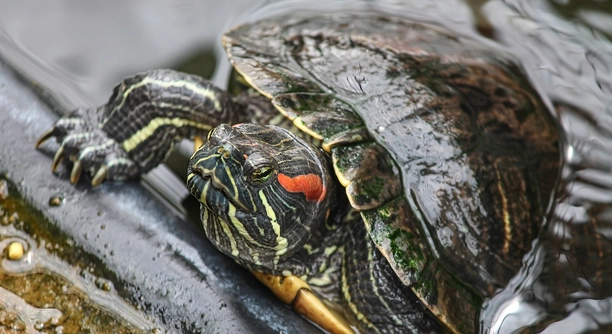
Red-eared sliders are popular pet turtles that require a balanced diet to stay healthy. Providing them with the right nutrition is essential for their growth, shell development, and overall well-being. Let’s explore some food options that can help them thrive.
Several high-nutrition foods can benefit red-eared sliders. Leafy greens like kale, aquatic plants, and proteins such as insects or fish are excellent sources of vitamins and minerals. Incorporating these foods into their diet can promote better health and longevity.
These nutritious foods are easy to find and incorporate into your pet’s daily meals. Understanding the right choices will keep your turtle active and healthy for years to come.
Leafy Greens: A Must-Have for Red-Eared Sliders
Leafy greens are an essential part of a red-eared slider’s diet. Greens such as kale, dandelion greens, and collard greens provide vital nutrients like calcium, vitamins A and C, and fiber. These nutrients help maintain your turtle’s immune system, support shell health, and promote healthy growth. The high calcium content in leafy greens also plays a key role in shell development and bone strength. While your turtle may enjoy a variety of foods, leafy greens should form the base of their diet.
Including a variety of greens in your turtle’s meals ensures they receive a balance of nutrients. It’s essential to avoid offering iceberg lettuce, as it contains minimal nutritional value.
You can offer these leafy greens fresh or lightly washed to remove pesticides or harmful chemicals. Red-eared sliders often prefer to eat them in the water, so placing the greens in their tank can mimic their natural feeding behavior. Be sure to introduce a variety of greens to prevent monotony and encourage a healthy appetite.
Aquatic Plants: Nature’s Treat for Red-Eared Sliders
Aquatic plants offer red-eared sliders the vitamins and minerals they need to stay healthy.
Aquatic plants, such as water lettuce and duckweed, are a natural part of a red-eared slider’s diet in the wild. These plants are packed with essential nutrients and can be found in many turtle-friendly habitats. You can add them to their tank to mimic their natural environment, allowing them to forage and eat as they would in the wild. These plants provide hydration, fiber, and vitamins, helping with digestion and promoting overall well-being. Additionally, they help your turtle stay active and engaged by offering an exciting feeding experience.
Insects: A High-Protein Snack for Red-Eared Sliders
Insects like crickets, mealworms, and waxworms provide an excellent source of protein for red-eared sliders. These are perfect for boosting their energy and supporting muscle growth.
Feeding your red-eared slider insects should be done in moderation. Too many can cause an imbalance in their diet. It’s best to offer insects every few days rather than daily. Be sure to purchase insects from reputable sources to avoid harmful pesticides. You can also feed them small amounts of earthworms or roaches, which are also nutrient-dense and safe for turtles to eat.
Protein is essential for growth and energy. However, balance is key, as an excessive amount can lead to health issues like shell deformities. Varying the types of insects you offer ensures a more diverse diet for your turtle, providing a range of nutrients.
Fish: A Natural Protein Source for Red-Eared Sliders
Adding fish to your turtle’s diet provides a natural and balanced source of protein.
Live or frozen fish, like minnows, goldfish, or guppies, are great options to feed your red-eared slider. They are rich in protein and healthy fats, which are crucial for your turtle’s overall health. Offering fish also satisfies their natural hunting instincts, making feeding time more exciting and stimulating. If you are concerned about overfeeding, remember that fish should be served in moderation, as too much protein can result in an unbalanced diet. Freshwater fish is a better option for these turtles, as it reflects what they would naturally eat in the wild.
Fruits: A Sweet Addition to Their Diet
Fruits like strawberries, blueberries, and mango are a healthy treat for red-eared sliders. They provide vitamins and antioxidants that support overall health.
However, fruits should be given in moderation. Due to their sugar content, feeding your turtle too much fruit can cause digestive issues or an unbalanced diet. Fresh fruit works best, and be sure to remove any seeds that could pose a choking hazard.
Shellfish: A Nutritious Snack for Red-Eared Sliders
Shellfish, such as shrimp or crayfish, can be a great source of protein and essential minerals for red-eared sliders.
When offered occasionally, shellfish provides variety and important nutrients that support your turtle’s immune system. These foods are high in calcium, which is crucial for shell health and bone strength. Be cautious about the source of the shellfish to ensure they are free from chemicals or harmful additives. Always opt for freshwater shrimp or unsalted frozen options to reduce any risks.
FAQ
How often should I feed my red-eared slider?
Red-eared sliders typically need to be fed every other day. When they are young, they are more active and require more food, so you can feed them daily. As they grow older, feeding every other day is sufficient. Be sure to monitor their weight and behavior, as overfeeding can lead to health problems.
Can I feed my red-eared slider only one type of food?
No, it’s important to offer a variety of foods to ensure your red-eared slider gets all the necessary nutrients. Relying on only one food type, such as just leafy greens or just protein, can cause nutritional imbalances. A balanced diet that includes a mix of vegetables, fruits, protein, and occasional treats is the best way to support their health.
Is it safe to feed red-eared sliders commercial turtle food?
Commercial turtle food, such as pellets, can be convenient but should not make up the majority of your red-eared slider’s diet. Many turtle pellets are fortified with nutrients, but they often lack the natural variety that a turtle needs. Consider using pellets as a supplement and focus on providing fresh, whole foods whenever possible.
What vegetables are best for my red-eared slider?
Leafy greens like kale, collard greens, dandelion greens, and mustard greens are the best vegetables for your red-eared slider. These provide calcium, vitamins, and fiber, which are essential for their health. Avoid feeding them iceberg lettuce, as it has little nutritional value. You can also offer other vegetables like zucchini, squash, and carrots occasionally.
Can red-eared sliders eat fish from my aquarium?
Yes, red-eared sliders can eat fish from your aquarium, but only certain types. Avoid feeding them fish that are too large or that might harm your turtle. Smaller, freshwater fish like minnows or guppies are better choices. However, be cautious of overfeeding fish, as it could lead to a protein imbalance in their diet. Always make sure that the fish you offer are free of harmful chemicals.
Are there any foods I should avoid giving my red-eared slider?
There are a few foods that should be avoided. Red-eared sliders should never be fed chocolate, dairy, or processed foods, as these can cause digestive issues and other health problems. Similarly, avoid feeding them high-fat or high-sugar foods, such as fatty meats or sugary fruits, as these can lead to obesity and other health complications. It’s also best to avoid feeding them any wild-caught prey that may have been exposed to pesticides or toxins.
How do I know if I’m feeding my red-eared slider enough?
Monitor your red-eared slider’s weight and behavior to gauge if you’re feeding enough. If your turtle is active and growing, then they are likely getting the right amount of food. If they are becoming lethargic or losing weight, you may need to adjust the quantity or frequency of their meals. Additionally, make sure they are eating the food you offer, as some turtles can be picky eaters. If your turtle isn’t eating or is refusing certain foods, you may need to try different options.
Can I feed my red-eared slider live food?
Yes, red-eared sliders can eat live food, including insects, small fish, and crustaceans. Live food can be a fun and enriching treat for them, mimicking their natural hunting behavior. It’s a good way to provide them with protein and help satisfy their instincts. Just make sure the live food is appropriate for their size and free from any harmful chemicals.
How can I supplement my red-eared slider’s diet with calcium?
Calcium is critical for your red-eared slider’s shell health. You can provide calcium by offering foods rich in this mineral, such as leafy greens, aquatic plants, and certain fish. You can also supplement their diet with calcium powder. Simply sprinkle the powder on their food a few times a week. Additionally, providing access to UVB light helps them process calcium effectively.
Should I feed my red-eared slider pellets?
Pellets can be a part of a red-eared slider’s diet but should not be the only food. They are convenient but often lack the variety and natural nutrients that whole foods like leafy greens, fruits, and fish offer. Use pellets as a supplement, not a mainstay. Rotating with fresh food ensures a balanced diet and promotes better health.
How do I introduce new foods to my red-eared slider?
When introducing new foods, it’s important to do so gradually. Offer small amounts of the new food alongside familiar foods to allow your red-eared slider to get used to the taste and texture. Some turtles can be hesitant to try new things, so patience is key. If your turtle doesn’t immediately take to the new food, don’t be discouraged—keep offering it, and they may eventually try it.
Can I feed my red-eared slider human food?
While it’s best to stick to foods specifically suited for turtles, certain human foods can be safe for them in moderation. For example, they can eat small amounts of plain, cooked chicken or scrambled eggs. However, avoid giving them processed human food like fast food or anything containing added salt, sugar, or artificial ingredients. Always stick to natural, whole foods for their diet.
Final Thoughts
Providing a balanced and varied diet for your red-eared slider is essential to ensuring its long-term health and happiness. These turtles require a combination of leafy greens, proteins, fruits, and occasional treats to thrive. Focusing on natural, whole foods rather than relying too heavily on commercial products helps meet their nutritional needs. Including a variety of foods not only keeps them healthy but also keeps mealtime exciting for your pet.
It’s important to remember that moderation is key when feeding red-eared sliders. Offering a wide variety of food types—like insects, fish, fruits, and vegetables—ensures that they get the vitamins and minerals they need. However, overfeeding can lead to health issues, such as obesity or digestive problems. A balanced diet, combined with proper water quality and a clean living environment, will keep your turtle happy and healthy. Watching for signs of overeating or under-eating and adjusting their food intake accordingly can help maintain a healthy weight.
Lastly, paying attention to your red-eared slider’s preferences and behavior can guide you in offering the best foods for their needs. If your turtle shows a preference for certain foods or avoids others, make adjustments to its diet as necessary. Offering a variety of safe foods not only improves their nutrition but also enriches their overall environment. By being mindful of their diet and keeping their tank clean, you will support your turtle in living a long, healthy life.

Hello,
If you enjoy the content that we create, please consider saying a "Thank You!" by leaving a tip.
Every little bit helps us continue crafting quality advice that supports the health, happiness, and well-being of pets around the world, for pets of all shapes, sizes, and species.
We really appreciate the kindness and support that you show us!