
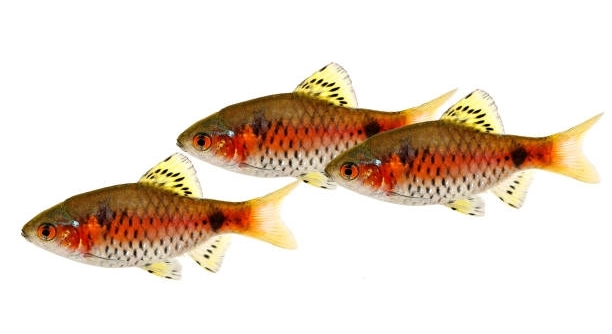
Rosy barbs are lively fish that usually swim in the middle or top of the tank. Sometimes, though, they briefly rest on the bottom, which may seem unusual to many aquarium owners. Understanding this behavior can help keep your fish healthy.
Rosy barbs rest on the bottom briefly mainly due to short periods of rest, stress, or environmental changes. They are not bottom dwellers but may pause there to recover energy or adjust to water conditions before swimming actively again.
Knowing why rosy barbs behave this way helps in creating a better environment for them. It also supports their well-being and comfort in your aquarium over time.
Reasons Rosy Barbs Rest on the Bottom
Rosy barbs may rest on the bottom for several reasons, mostly related to their health or environment. One common cause is fatigue. These fish swim actively and sometimes need a short break to regain strength. When tired, they might settle briefly near the tank floor before swimming again. Another reason could be stress caused by sudden changes in water temperature or quality. Poor water conditions can make fish sluggish, leading them to rest more often. Also, illness or parasites can make rosy barbs weak, causing unusual resting behavior. It’s important to watch their overall activity and appearance for signs of sickness. Finally, natural behavior during feeding or social interactions might make them pause at the bottom briefly. Observing these factors helps maintain a healthy tank and prevents long-term problems.
Rosy barbs resting on the bottom are often showing temporary fatigue or mild stress. It usually does not signal a serious problem if it happens occasionally.
Keeping an eye on their environment, including water quality and temperature, can help prevent more frequent or prolonged resting on the tank bottom. Regular water testing, feeding a balanced diet, and providing enough space to swim will support their normal activity levels and reduce stress. If resting increases or is paired with other symptoms like loss of appetite or changes in color, consulting a vet or aquatic specialist is recommended.
Water Conditions and Their Impact
Water quality plays a critical role in the behavior of rosy barbs. Poor water conditions can cause them to rest on the bottom more frequently. Factors such as high ammonia or nitrite levels, low oxygen, or incorrect pH can all affect their health. Keeping the tank clean and stable helps maintain their energy and normal swimming patterns.
Stable and clean water encourages rosy barbs to stay active and avoid resting at the bottom for long periods.
Monitoring water regularly and performing partial water changes when necessary can prevent issues. Using filters and avoiding overfeeding also contribute to good water conditions. When water parameters are stable, rosy barbs are less stressed and show natural behavior, including swimming actively throughout the tank. Maintaining these conditions is essential for their long-term well-being and reduces the chances of unusual resting behavior.
Resting Behavior and Social Interaction
Rosy barbs sometimes rest on the bottom to avoid conflict or stress from tank mates. They may seek quiet spots to feel safe. This behavior helps them recover without drawing attention from more aggressive fish.
When living in groups, rosy barbs establish a social order. Some individuals might temporarily retreat to the bottom to avoid confrontations or to calm down. Resting in these moments is a way for them to manage stress and prevent injury. It’s important to provide enough space and hiding places in the tank to reduce tension. Without these, shy fish may rest more often on the bottom due to fear or discomfort.
Occasional resting on the bottom is normal, but constant hiding or inactivity may signal bullying or overcrowding. Ensuring a peaceful tank with compatible species supports healthier social behavior and reduces stress-induced resting.
Feeding and Energy Levels
Feeding routines influence how often rosy barbs rest on the bottom. After eating, fish often rest to digest food properly. This short break helps them recover energy before swimming actively again.
Balanced nutrition is essential to keep rosy barbs healthy and energetic. A diet lacking in nutrients can cause lethargy, making fish rest more often. Overfeeding can also lead to digestive problems and discomfort, which may cause unusual resting behaviors. Feeding small portions multiple times a day encourages steady energy levels and reduces stress on their digestive system.
Maintaining a proper feeding schedule and providing a varied diet with quality flakes, pellets, and occasional live or frozen food supports their overall well-being. Healthy fish show less resting on the bottom and more natural, lively movement throughout the tank.
Temperature Effects on Behavior
Water temperature directly affects rosy barbs’ activity. Cooler water can slow their metabolism, causing them to rest more often on the bottom. Warm water increases their energy and swimming activity.
Keeping the temperature stable within their preferred range prevents stress and unusual resting behavior.
Signs of Illness in Rosy Barbs
Illness can cause rosy barbs to rest on the bottom frequently. Signs include faded colors, clamped fins, slow movement, and loss of appetite. Early detection is important to treat them effectively and prevent worsening health issues.
Tank Setup and Comfort
A well-arranged tank with plants, hiding spots, and open swimming areas reduces stress and encourages natural behavior. Uncomfortable or overcrowded tanks lead to more resting on the bottom.
Monitoring Behavior Changes
Watching for sudden or lasting changes in activity is key. Consistent resting on the bottom may indicate problems needing attention.
FAQ
Why do rosy barbs rest on the bottom sometimes?
Rosy barbs may rest on the bottom for short periods when they are tired, stressed, or adjusting to changes in their environment. This behavior is usually temporary and not a sign of a serious problem unless it becomes frequent or prolonged.
Is it normal for rosy barbs to rest on the bottom?
Yes, brief resting on the bottom is normal. Fish need short breaks to recover energy. However, if they spend too much time there or show other symptoms, it could mean something is wrong.
Could water quality make rosy barbs rest more?
Poor water quality can cause stress and make rosy barbs less active. High ammonia, nitrite, or wrong pH levels reduce oxygen and cause discomfort, leading fish to rest more often on the bottom.
How can I improve water conditions for rosy barbs?
Regular water testing and partial water changes help maintain clean water. Use a good filter, avoid overfeeding, and keep the tank clean. Stable water parameters reduce stress and promote healthy activity.
Does tank size affect rosy barbs’ resting behavior?
Yes, a small or overcrowded tank increases stress and limits swimming space. This can cause rosy barbs to rest on the bottom more. Providing enough room and hiding spots helps them feel secure and active.
Can diet influence their resting habits?
Poor nutrition or overfeeding can cause lethargy or digestive issues, leading to more resting. A balanced diet with quality flakes, pellets, and occasional live or frozen food keeps them energetic.
Are temperature changes a factor?
Yes, sudden or extreme temperature changes affect metabolism and activity. Cooler water slows them down, making them rest more, while stable temperatures in their ideal range keep them lively.
Could illness cause them to rest on the bottom?
Illness is a common reason for frequent resting on the bottom. Watch for other signs like faded colors, clamped fins, slow movement, or loss of appetite. Early treatment is important to prevent serious health problems.
How do social dynamics influence this behavior?
Rosy barbs sometimes rest on the bottom to avoid conflicts with other fish. Shy or bullied fish may seek quiet spots to reduce stress. Ensuring compatible tank mates and enough space prevents this issue.
When should I worry about rosy barbs resting on the bottom?
If resting becomes constant, is paired with signs of illness, or your fish stop eating and swimming normally, it’s time to investigate further or consult a specialist.
Can adding plants help reduce bottom resting?
Plants provide hiding spots and a natural environment that lowers stress. This encourages rosy barbs to swim freely and rest less on the bottom. Choose sturdy plants that won’t be damaged by fish activity.
Is it okay if rosy barbs rest during the day?
Yes, fish sometimes rest during the day, especially after feeding or activity. If resting is brief and occasional, it’s normal behavior.
How does stress affect rosy barbs?
Stress lowers their immune system and energy, causing more resting and hiding. Stress can come from poor water, overcrowding, or aggressive tank mates.
What signs indicate stress in rosy barbs?
Signs include hiding, loss of appetite, rapid breathing, and resting more on the bottom. Improving tank conditions and reducing stressors can help.
Can changing the tank environment reduce bottom resting?
Yes, adding more swimming space, hiding spots, and stable water conditions helps fish feel secure and reduces unnecessary resting on the bottom.
These common questions cover important points to understand why rosy barbs rest on the bottom. Keeping their environment stable, clean, and comfortable supports their natural behavior and health.
Rosy barbs resting briefly on the bottom of the tank is usually a normal part of their behavior. They are active swimmers but need occasional breaks to recover energy. This resting can happen for many reasons, including feeling tired, adjusting to changes in their environment, or simply digesting food. When it happens only now and then, it is not something to worry about. These moments of rest help rosy barbs maintain their energy and continue swimming actively in the tank.
It is important to pay attention to how often rosy barbs rest on the bottom and if there are any other signs of problems. If resting becomes frequent or prolonged, it could be a signal that something is not right. Poor water quality, incorrect temperature, stress from tank mates, or illness might cause this behavior to increase. Regularly checking water conditions, feeding a balanced diet, and giving the fish enough space to swim freely can prevent many issues. Creating a stable and comfortable environment helps rosy barbs stay healthy and reduces unnecessary resting at the bottom.
Overall, watching your rosy barbs closely and understanding their normal behavior will make it easier to notice when they need help. Brief resting is natural, but changes in behavior can point to problems that should be addressed. Providing clean water, proper nutrition, and a peaceful tank environment will support their well-being. Taking these steps ensures your rosy barbs remain lively and healthy, showing their natural colors and enjoying their time swimming in your aquarium.

Hello,
If you enjoy the content that we create, please consider saying a "Thank You!" by leaving a tip.
Every little bit helps us continue crafting quality advice that supports the health, happiness, and well-being of pets around the world, for pets of all shapes, sizes, and species.
We really appreciate the kindness and support that you show us!