
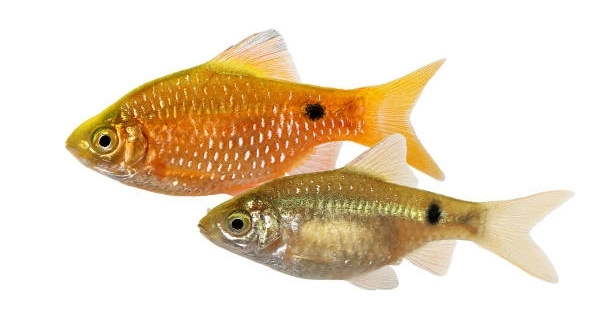
Rosy Barbs are popular freshwater fish known for their vibrant colors and active behavior. Many aquarists enjoy keeping them in home tanks. Understanding their care needs is important for creating a healthy environment for these fish.
Rosy Barbs can be kept without substrate, but their well-being depends on other factors such as water quality, tank size, and hiding spots. While substrate is not essential, it often provides benefits like natural behavior stimulation and improved water conditions.
Knowing the role substrate plays can help you make the best choice for your Rosy Barbs and maintain a thriving aquarium setup.
Benefits of Using Substrate for Rosy Barbs
Adding substrate to a Rosy Barb tank creates a more natural setting that can improve the fish’s overall comfort. Substrate helps anchor plants, which offer hiding spots and reduce stress. It also supports beneficial bacteria that help break down waste, maintaining better water quality. Some substrates can affect the water’s pH and hardness, creating conditions closer to the fish’s natural habitat. Additionally, substrate allows Rosy Barbs to display natural behaviors like foraging along the bottom. Without substrate, these behaviors may be limited, which can affect their activity levels. While substrate requires cleaning to avoid debris buildup, the benefits often outweigh the extra maintenance. Choosing the right type of substrate, such as sand or fine gravel, is important to prevent injury to the fish. Overall, substrate plays a role in both the aesthetic appeal and health of the aquarium.
Using substrate can enhance tank life but requires regular cleaning to prevent waste buildup and maintain water quality.
Though not mandatory, substrate creates a more stable environment for Rosy Barbs by supporting plants and helpful bacteria. It encourages natural behavior and helps balance water conditions. Careful substrate choice and maintenance are key to keeping the tank healthy and comfortable for these fish.
Keeping Rosy Barbs Without Substrate
Rosy Barbs can adapt to tanks without substrate if the environment is well managed.
In a bare-bottom tank, water quality must be closely monitored because waste settles directly on the tank floor. Without substrate, debris can accumulate quickly, so frequent cleaning is necessary. Providing ample decorations, plants, or floating cover can help reduce stress and give hiding places. The lack of substrate may reduce natural foraging, so feeding routines should encourage activity in other ways. Bare tanks are easier to clean and can prevent issues related to substrate buildup. However, this setup may feel less natural for the fish. Ensuring proper filtration and maintaining consistent water parameters are especially important without substrate. Many aquarists successfully keep Rosy Barbs this way, but it requires more active tank management and attention to the fish’s behavior and health.
Maintaining water quality and environmental enrichment are essential when keeping Rosy Barbs without substrate. Proper care can offset the lack of natural substrate benefits.
Substrate Types Suitable for Rosy Barbs
Choosing the right substrate matters for Rosy Barbs’ health and tank appearance.
Gravel and sand are common substrates used in Rosy Barb tanks. Gravel allows good water flow and is easier to clean but may be too rough for bottom-dwelling fish. Sand offers a softer surface, allowing natural digging behaviors and preventing injury. Both types support beneficial bacteria growth, which is important for water quality. Some aquarists mix sand and gravel to balance aesthetics and function. It is important to avoid sharp or coarse substrates that could harm Rosy Barbs’ delicate fins. The choice depends on the fish’s behavior, tank setup, and maintenance preferences.
Some substrates also affect water chemistry. For example, crushed coral can raise pH and hardness, which may suit Rosy Barbs’ natural preferences. Natural-looking substrates enhance the tank’s visual appeal and provide a comfortable environment for the fish to thrive.
Cleaning and Maintenance Without Substrate
Cleaning a bare-bottom tank is simpler but requires frequent attention to waste buildup.
Without substrate to trap debris, uneaten food and waste settle on the tank floor, making it easier to spot but also requiring prompt removal. Frequent water changes and vacuuming help maintain good water quality and reduce harmful ammonia or nitrate buildup. Filter maintenance becomes more critical because the tank lacks natural biological filtration that substrate provides. Providing proper aeration and circulation supports healthy water conditions. Bare tanks can help reduce algae growth since there is less surface area for algae to attach. However, the absence of substrate means the tank may look less natural, which some aquarists find less appealing.
Regular cleaning routines and monitoring water parameters are essential for keeping Rosy Barbs healthy in substrate-free tanks. A well-maintained bare tank can still support vibrant and active fish with the right care and environmental enrichment.
Impact of No Substrate on Fish Behavior
Rosy Barbs may behave differently without substrate in their tank. Some fish might explore more open spaces, while others could feel exposed and stressed.
Substrate encourages natural digging and foraging behaviors. Without it, these activities are limited, so providing other forms of enrichment is important to keep the fish active and healthy.
Tank Decoration Alternatives
Decorations like plants, rocks, and driftwood can substitute for substrate by offering hiding spots and visual interest. These elements create a stimulating environment, helping reduce stress and encourage natural behavior in Rosy Barbs.
Importance of Monitoring Water Parameters
Regularly checking water parameters is critical, especially in substrate-free tanks. Maintaining stable pH, ammonia, nitrite, and nitrate levels ensures a healthy environment for Rosy Barbs. Proper filtration and routine water changes support this balance.
FAQ
Can Rosy Barbs live comfortably without substrate?
Yes, Rosy Barbs can live without substrate if other conditions like water quality, tank size, and hiding places are well maintained. They may show some changes in behavior since substrate often encourages natural digging and foraging. Without it, extra care should be taken to provide enrichment with plants or decorations to reduce stress.
Will keeping Rosy Barbs without substrate affect their health?
Keeping Rosy Barbs without substrate does not directly harm their health, but the tank’s environment must be carefully managed. Without substrate, beneficial bacteria colonies are limited, so filtration and regular water changes become more important to prevent waste buildup and maintain water quality. Stress from lack of hiding spots or natural behaviors can affect their immune system, so providing ample cover is recommended.
What are the main maintenance differences without substrate?
In a bare tank, waste settles on the bottom, making cleaning easier but more frequent. Regular vacuuming and water changes are necessary to prevent ammonia spikes. Filters must be cleaned and maintained well since there is no substrate to support biological filtration. Bare tanks can reduce algae buildup but might require more active monitoring of water conditions.
Does the absence of substrate change how Rosy Barbs behave?
Without substrate, Rosy Barbs may explore more open areas but lose opportunities to forage and dig naturally. This can reduce their activity or cause mild stress. Adding decorations, plants, or floating covers helps simulate a more natural habitat and encourages movement and hiding, improving their overall comfort and behavior.
Is substrate essential for breeding Rosy Barbs?
Substrate is not absolutely essential for breeding, but it often helps by providing a natural environment for spawning and fry protection. Fine gravel or sand allows eggs to settle safely and plants to hide young fish. Without substrate, breeders need to ensure adequate cover and gentle water flow to protect eggs and fry from being disturbed.
What types of substrate are best for Rosy Barbs?
Soft sand and fine gravel are ideal substrates for Rosy Barbs. They allow natural behaviors like digging without risking injury. Avoid sharp or rough substrates that can damage fins. Some aquarists mix sand and gravel to balance ease of cleaning with a natural feel. Substrate that does not drastically alter water chemistry is preferred unless you want to adjust pH or hardness.
Can substrate affect water quality in Rosy Barb tanks?
Yes, substrate influences water quality by supporting beneficial bacteria that break down waste. It also traps debris, which can be a positive or a negative depending on maintenance. Some substrates release minerals affecting pH and hardness, which can be good or harmful depending on your tank’s conditions. Proper cleaning and water testing are necessary to balance these effects.
Are there any risks to keeping Rosy Barbs without substrate?
The main risks involve water quality management and environmental enrichment. Without substrate, waste can build up quickly if not cleaned regularly, increasing ammonia and nitrite levels. Fish may also become stressed due to lack of hiding spots or natural foraging. These issues require attentive care, including frequent water changes and added decorations.
How often should I clean a bare-bottom tank with Rosy Barbs?
Cleaning frequency depends on tank size, stocking levels, and filtration efficiency, but weekly water changes and vacuuming are often necessary. Because debris accumulates directly on the tank floor, it’s easier to spot but must be removed regularly to avoid toxic buildup. Keeping a good filter and testing water parameters often helps maintain stability.
Can live plants grow well without substrate in a Rosy Barb tank?
Some live plants can grow without substrate by attaching to decorations or floating freely. Plants like Java fern, Anubias, and mosses do well in substrate-free setups, providing hiding spots and oxygenation. Rooted plants generally need substrate, so choosing appropriate species supports both plant health and fish comfort.
Keeping Rosy Barbs without substrate is possible, but it requires careful attention to other parts of the aquarium environment. Without substrate, the tank looks cleaner and is easier to maintain in some ways. However, substrate usually helps support natural fish behavior, like digging and foraging, which may be limited in a bare tank. Rosy Barbs may still live comfortably without substrate if you provide enough plants, decorations, and hiding places. These help reduce stress and make the tank feel more natural for the fish.
Water quality management becomes very important when there is no substrate. In tanks with substrate, beneficial bacteria grow on the surface of the substrate and help break down fish waste and harmful chemicals. Without this natural filter, the tank relies more on mechanical and biological filtration in the filter system. Frequent water changes and careful cleaning are needed to prevent waste buildup that can harm the fish. Monitoring water parameters such as ammonia, nitrites, nitrates, and pH is essential to keep the environment stable and safe.
Choosing whether to use substrate or not depends on your personal preferences and your ability to maintain the tank properly. Substrate adds a natural look and supports fish health but requires extra cleaning and care. A bare tank is easier to clean but demands more frequent maintenance and enrichment for the fish’s well-being. Understanding these differences will help you make an informed choice. Either way, focusing on good water quality, proper filtration, and creating a comfortable space for Rosy Barbs will ensure they stay healthy and active.

Hello,
If you enjoy the content that we create, please consider saying a "Thank You!" by leaving a tip.
Every little bit helps us continue crafting quality advice that supports the health, happiness, and well-being of pets around the world, for pets of all shapes, sizes, and species.
We really appreciate the kindness and support that you show us!