
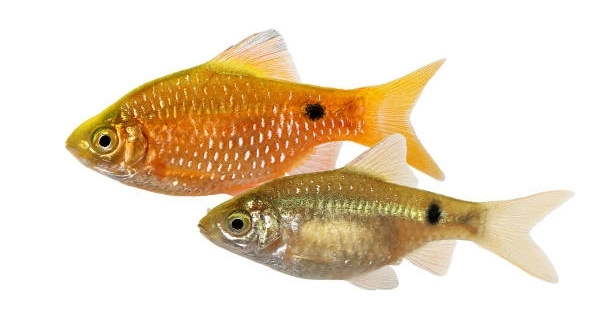
Many aquarium enthusiasts enjoy keeping Rosy Barbs for their vibrant colors and lively behavior. Identifying dominant individuals within a group can help maintain a healthy tank environment. Recognizing key traits of these fish is important for proper care and management.
Dominant Rosy Barbs often show distinct physical and behavioral traits, such as brighter coloration, confident swimming patterns, and territorial behavior. These indicators help differentiate them from less dominant fish and assist in understanding social dynamics within the aquarium.
Knowing these traits will help you better manage your Rosy Barbs and support a balanced aquatic community. This guide offers clear signs to watch for when observing your fish.
Bright and Bold Coloration
Dominant Rosy Barbs often stand out because of their vivid and bright colors. Unlike the others, their red or pink hues appear more intense, especially along their fins and bodies. This bright coloration signals confidence and good health. It can also attract attention from other fish, showing their position in the social order. When they feel secure, their colors become even more striking. You might notice their scales glisten in the light, making them easy to spot. These color differences are not only beautiful but also important in understanding which fish holds the higher rank in the tank. Keeping an eye on the color changes can help you monitor dominance and stress levels among your Rosy Barbs.
This bright coloring often means the fish is healthy and active, which is common for dominant individuals. It helps in quickly identifying them during feeding or social interactions.
Observing the changes in color over time can provide useful clues about your fish’s behavior. When a fish loses its bright color, it might indicate stress or lower rank. On the other hand, a boost in brightness usually shows growing confidence. This natural signal plays a role in keeping peace in the tank by establishing clear roles. Watching for these changes will help you support the well-being of all your Rosy Barbs.
Confident Swimming and Positioning
Dominant Rosy Barbs tend to swim with purpose and hold central positions in the aquarium.
They move with steady, sure strokes and often lead the group during feeding or exploration. This confident swimming helps them maintain control over territory and resources. You’ll notice they don’t shy away from open spaces and usually take the best spots near plants or decorations. Their posture appears more upright, and they are quick to react to other fish’s movements. This behavior sets them apart from more timid or submissive fish, which stay near the edges or hide more often. Watching how your Rosy Barbs swim will give you good insight into the social structure and dominance within the group. It’s a simple way to spot the leaders in your tank.
Territorial Behavior
Dominant Rosy Barbs often claim specific areas within the tank and defend them actively. They may chase or nip at other fish that come too close to their chosen spot.
This territorial behavior helps maintain their status and control over resources such as food and shelter. They are usually seen patrolling their area and reacting quickly to any intrusions. This behavior can sometimes lead to minor conflicts but is generally a natural way for them to establish hierarchy. By marking and guarding their space, they keep other fish aware of their position in the group, which helps reduce constant fighting.
Territorial dominance also means these fish may prefer certain parts of the tank, like near plants or decorations, where they feel safest and strongest. Recognizing these favorite spots can help in arranging the aquarium to reduce stress and aggression, promoting a more peaceful environment for all your Rosy Barbs.
Physical Size and Shape
Dominant individuals tend to be slightly larger and more robust than others in the tank.
A bigger body often gives them an advantage during social interactions and displays of dominance. Their fins may appear fuller and more developed, signaling strength and health. This size difference helps them appear more imposing to other fish and can reduce the need for constant fighting. While not always a huge difference, even a small increase in size is noticeable and contributes to their ability to lead the group. Tracking size variations among your Rosy Barbs can provide useful information about the social dynamics within your aquarium and help identify which fish holds dominance.
Aggressive Interactions
Dominant Rosy Barbs often show aggression through chasing or nipping at others. This behavior helps them establish control.
They use quick movements and body postures to intimidate rivals without causing serious harm. This behavior reinforces their position in the group.
Fin Display and Movement
Dominant Rosy Barbs frequently flare their fins to appear larger and more impressive. This display is a common way to signal strength and deter challengers. They move their fins with purpose and often hold them upright while interacting with other fish. This visual cue plays a key role in maintaining their status without constant fighting. Observing how your Rosy Barbs use their fins can help you identify which fish is in charge and how they manage social balance within the tank.
Feeding Behavior
Dominant fish usually eat first and have priority access to food.
FAQ
How can I tell if my Rosy Barb is dominant?
Dominant Rosy Barbs usually show bright, intense colors and swim confidently in open spaces. They hold specific areas in the tank and often display aggressive behaviors like chasing or fin flaring. You may also notice they eat first and have a slightly larger size than others. Watching their interaction with tank mates can give clear signs of dominance.
Does dominance affect the health of other Rosy Barbs?
Yes, dominant behavior can cause stress for less dominant fish. Submissive barbs may hide more or show duller colors due to stress. Long-term stress can weaken their immune systems and affect growth. It’s important to provide enough space and hiding spots to reduce tension.
Is aggressive behavior from dominant Rosy Barbs harmful?
Most of the time, the aggression is harmless posturing to maintain social order. However, if chasing or nipping becomes excessive, it can cause injuries and stress. Monitoring the tank and separating overly aggressive fish when needed helps keep all fish safe.
Can dominant Rosy Barbs change over time?
Yes, dominance is not fixed. Changes in size, health, or age can cause shifts in the social hierarchy. New fish introduced to the tank can also disrupt the balance, leading to new dominant individuals. Keeping an eye on behavior helps you understand these changes.
What should I do if one Rosy Barb is too aggressive?
If aggression causes harm or constant stress, consider rearranging the tank decorations to break line of sight and create more hiding spaces. Increasing the tank size or adding more fish to spread aggression can help. In extreme cases, removing the aggressive fish may be necessary.
Does tank size influence dominance behavior?
Smaller tanks can increase competition and aggression because space is limited. Larger tanks give fish more room to avoid each other, reducing stress and aggressive encounters. Providing plenty of space is important for a healthy social environment.
Are dominant Rosy Barbs better for breeding?
Dominant males are often more successful in attracting females due to their bright colors and confident behavior. However, dominance alone doesn’t guarantee breeding success. Proper water conditions, diet, and tank setup are also crucial for breeding.
How can I support less dominant Rosy Barbs?
Make sure your tank has plenty of plants, decorations, and hiding spots where shy fish can retreat. Feed smaller or less aggressive fish separately if needed to ensure they get enough food. Observing behavior and making adjustments can help maintain balance and reduce stress.
Will dominant behavior disappear if the fish are alone?
Without other fish to compete with, dominant behavior usually decreases because there’s no social hierarchy to maintain. However, some fish may still show territorial instincts. It’s best to keep Rosy Barbs in groups to encourage natural social behavior.
How often should I monitor my Rosy Barbs for signs of dominance?
Regular observation during feeding and daily tank checks will help you spot any changes in behavior. Noticing shifts early can prevent problems before they escalate. It’s helpful to keep a mental note of who is leading and how the group interacts over time.
Dominant Rosy Barbs play an important role in the social structure of the aquarium. Their bright colors, confident swimming, and territorial behavior help set the balance among the group. Recognizing these traits makes it easier to understand how the fish interact and helps maintain a peaceful environment. When one fish takes the lead, it reduces constant fighting and confusion over space and resources. This natural order benefits all the fish, giving them clear roles within the tank. Watching for signs of dominance can also alert you to any problems, like stress or injury, allowing you to act before things get worse.
It is important to remember that dominance is not always fixed. The fish that seem dominant now may lose their position as they age or if their health declines. New fish added to the tank can also change the social order. Keeping an eye on how the group behaves over time helps you support each fish’s well-being. Providing enough space, hiding spots, and proper nutrition can reduce aggressive behavior and keep all the Rosy Barbs healthier. Making simple changes in the tank setup can often ease tension and allow less dominant fish to thrive without fear.
Overall, understanding the traits of dominant Rosy Barbs helps improve tank management and fish care. It encourages a balanced community where fish can coexist peacefully. Paying attention to color, size, swimming patterns, and interactions will guide you in identifying leaders and adjusting the environment as needed. When the fish feel secure and well cared for, their natural behaviors are easier to observe and enjoy. This knowledge supports a healthier aquarium and a better experience for both the fish and the person caring for them.

Hello,
If you enjoy the content that we create, please consider saying a "Thank You!" by leaving a tip.
Every little bit helps us continue crafting quality advice that supports the health, happiness, and well-being of pets around the world, for pets of all shapes, sizes, and species.
We really appreciate the kindness and support that you show us!