
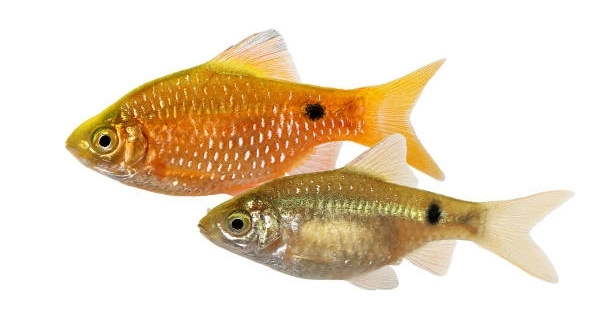
Rosy barbs are lively fish known for their social nature and vibrant colors. Many aquarists enjoy watching their schooling behavior and interactions in community tanks. Sometimes, however, one rosy barb may suddenly isolate itself from the group.
A rosy barb suddenly going solo often indicates stress, illness, or territorial behavior. Changes in water quality, tank mates, or environmental conditions can cause this shift. Monitoring these factors and maintaining a stable habitat usually helps the fish return to normal social patterns.
Understanding why your rosy barb isolates itself can improve its well-being. This article will explore common causes and practical steps to support your fish’s social health.
Common Reasons for a Rosy Barb Going Solo
Rosy barbs usually swim in groups, but sometimes one may start acting alone. This behavior can happen for several reasons. Poor water quality is a major factor that can stress fish, causing them to isolate themselves. Sudden changes in temperature or pH levels can also disrupt their comfort. Another reason is illness or injury, which makes a fish vulnerable and more likely to hide. Sometimes, aggressive tank mates can push a rosy barb away from the group. Territorial disputes between fish of similar size or temperament might also cause one to separate. If your tank is overcrowded, stress levels rise and social behavior can be affected. Keeping the tank clean, monitoring water parameters, and observing fish interactions helps in spotting the problem early and fixing it before it worsens.
Proper tank conditions and careful observation can prevent isolation. Stress management is key to maintaining healthy social behavior.
Understanding these factors lets you create a better environment, encouraging your rosy barb to rejoin its group naturally.
How to Help Your Rosy Barb Reintegrate
Start by checking water quality regularly, using test kits for ammonia, nitrites, and pH. Perform partial water changes if levels are off. Make sure the tank temperature stays steady between 64°F and 72°F, which suits rosy barbs well. Remove any aggressive fish causing stress and give your rosy barb some hiding spots with plants or decorations. Sometimes, isolating the fish temporarily in a quarantine tank helps it recover from illness or injury. Feeding high-quality food and maintaining a balanced diet also supports healing and reduces stress. Avoid overcrowding by following the recommended stocking guidelines. Patience is essential, as it may take days or weeks for the fish to feel safe and return to the group.
Helping your rosy barb feel secure encourages social interaction and reduces loneliness.
Keeping the tank environment stable and peaceful promotes the fish’s long-term health and happiness.
Identifying Signs of Stress in Rosy Barbs
Stress in rosy barbs often shows through changes in behavior and appearance. A stressed fish may hide more than usual, swim erratically, or lose its bright color. Appetite loss is another clear sign.
Stress affects a fish’s immune system, making it more vulnerable to diseases. When a rosy barb goes solo, it may be trying to avoid conflict or conserve energy. Stressors like poor water quality, aggressive tank mates, or sudden changes in the environment can trigger this behavior. Observing your fish closely helps catch stress early, allowing you to take action before health declines.
Adjusting tank conditions and providing a calm space with plenty of hiding spots can reduce stress. Feeding a nutritious diet and keeping a consistent routine supports your fish’s recovery and encourages it to rejoin its group.
The Role of Tank Setup and Environment
Tank size and layout greatly influence rosy barb behavior. A crowded or poorly arranged tank can increase stress and aggression. Rosy barbs need enough space to swim freely and places to hide when feeling threatened. Without adequate space, they might isolate themselves to avoid conflicts.
Adding plants, rocks, and decorations creates a natural environment that supports their social habits. Proper filtration and regular cleaning keep water quality high, which is essential for fish health. Stable temperature and pH levels prevent sudden stress. Observing how fish interact in the tank allows adjustments to improve harmony. Ensuring the right environment helps prevent solitary behavior and promotes a peaceful community tank.
Monitoring Water Quality Regularly
Maintaining good water quality is essential for rosy barbs’ health. Poor water conditions can stress fish, causing them to isolate themselves or become sick. Testing water weekly helps catch problems early.
Regular water changes and using a reliable filter keep the tank clean. This supports healthy fish behavior and prevents many common issues.
Effects of Tank Mates on Rosy Barb Behavior
Tank mates can influence whether a rosy barb feels safe or stressed. Aggressive or overly dominant fish may cause your rosy barb to hide or separate from the group. Choosing peaceful companions is important to maintain social harmony.
Compatibility in size and temperament helps reduce stress and encourages group interaction. A well-chosen mix supports a balanced and happy tank environment.
When Illness Causes Isolation
Illness often makes a rosy barb less active and more withdrawn. Early signs include faded color, clamped fins, and lack of appetite. Quarantining sick fish prevents spreading disease and allows focused care.
Prompt treatment and good hygiene increase chances of recovery and help the fish return to normal social behavior.
FAQ
Why did my rosy barb suddenly stop swimming with the group?
A rosy barb that suddenly swims alone is often experiencing stress or illness. Changes in water quality, temperature, or tank mates can cause discomfort. Sometimes, aggressive fish push it away, or it may be recovering from injury. Monitoring its behavior and tank conditions can help identify the cause.
How can I tell if my rosy barb is stressed?
Signs of stress include hiding, loss of appetite, faded colors, and unusual swimming patterns. The fish may also become lethargic or show clamped fins. Early detection is important to prevent health problems and encourage normal social behavior.
What should I do if my rosy barb is sick?
Isolate the sick fish in a quarantine tank to avoid spreading illness. Test the water and maintain cleanliness. Provide appropriate medication if necessary. Feeding a nutritious diet supports recovery. Keep a close eye on the fish until it returns to normal activity.
Can tank size affect my rosy barb’s behavior?
Yes, tank size plays a major role. Rosy barbs need enough space to swim and hide. A small or overcrowded tank increases stress and aggression, which can cause isolation. Providing a properly sized tank with hiding spots encourages social interaction.
Are certain tank mates better for rosy barbs?
Peaceful and similarly sized fish are the best companions. Aggressive or overly dominant species may cause stress and isolation. It’s important to choose compatible fish that do not compete aggressively for territory or food.
How often should I test my aquarium water?
Testing water weekly is ideal. Regular checks for ammonia, nitrites, nitrates, and pH help maintain a healthy environment. Keeping parameters stable prevents stress-related behavior like isolation.
What is the ideal water temperature for rosy barbs?
Rosy barbs thrive between 64°F and 72°F (18°C to 22°C). Sudden temperature changes outside this range can stress fish and affect their social behavior. Using a reliable heater and thermometer ensures stable conditions.
Can diet impact my rosy barb’s social behavior?
Yes, a balanced diet supports overall health and reduces stress. Poor nutrition weakens the immune system, making fish more prone to illness and isolation. Feeding high-quality flakes, pellets, and occasional live or frozen foods helps keep them active and social.
How long does it take for a lonely rosy barb to rejoin the group?
Recovery time varies depending on the cause. If stress or illness is treated quickly, a fish may rejoin the group within days or weeks. Patience and consistent care are necessary. Avoid sudden changes that could cause further stress.
Is it normal for rosy barbs to occasionally swim alone?
Occasional solo swimming can happen, especially if the fish is exploring or resting. However, long periods of isolation usually indicate a problem like stress, illness, or aggression. Observing the behavior in context helps decide if action is needed.
What are common illnesses that cause isolation in rosy barbs?
Common illnesses include fin rot, ich (white spot disease), and bacterial infections. Symptoms often include color fading, clamped fins, and reduced movement. Prompt diagnosis and treatment are important to prevent worsening and promote social behavior.
Can environmental changes cause my rosy barb to go solo?
Yes, sudden changes like moving the tank, new decorations, or new fish can stress rosy barbs. They may isolate themselves until they adjust. Gradual changes and providing hiding places help reduce stress during transitions.
Is quarantining new fish necessary to prevent isolation issues?
Quarantining new fish for at least two weeks before introducing them to the main tank helps prevent disease and stress. It also allows observation of behavior. This practice protects existing fish and maintains a peaceful environment.
How do I create a stress-free environment for rosy barbs?
Maintain stable water parameters, provide enough space, and avoid overcrowding. Use gentle filtration and regular water changes. Include plants and decorations for hiding spots. Choose peaceful tank mates and feed a balanced diet. Routine and consistency help fish feel secure and social.
What signs show my rosy barb is healthy and happy?
A healthy rosy barb swims actively with the group, has bright colors, and eagerly eats. It explores the tank and interacts with tank mates without signs of stress or illness. Maintaining good conditions encourages this positive behavior.
Rosy barbs are naturally social fish that usually prefer the company of their own kind. When one suddenly starts swimming alone, it often signals a change in its environment or health. Paying close attention to water quality, tank mates, and overall tank conditions can help prevent this behavior. Stress, illness, and poor living conditions are common reasons why a rosy barb may isolate itself. Understanding these factors and responding quickly improves the chances that your fish will return to its normal, social behavior.
Maintaining a stable environment is key to keeping rosy barbs happy and healthy. Regular water testing and changes help keep the tank clean and safe. Providing enough space and hiding spots reduces aggression and gives your fish places to feel secure. Choosing compatible tank mates and feeding a balanced diet supports their immune system and reduces stress. When illness does occur, isolating the affected fish and providing proper treatment is necessary to protect the rest of the tank. Small but consistent efforts can make a big difference in your fish’s well-being.
It is important to remember that rosy barbs, like all fish, react to changes in their surroundings. Even minor disruptions can cause temporary isolation. Patience and careful observation are important when dealing with a solitary rosy barb. With proper care and attention, most fish will recover and rejoin their group. Being proactive about tank conditions and health keeps your rosy barbs thriving and allows you to enjoy their lively, colorful presence in your aquarium.

Hello,
If you enjoy the content that we create, please consider saying a "Thank You!" by leaving a tip.
Every little bit helps us continue crafting quality advice that supports the health, happiness, and well-being of pets around the world, for pets of all shapes, sizes, and species.
We really appreciate the kindness and support that you show us!