
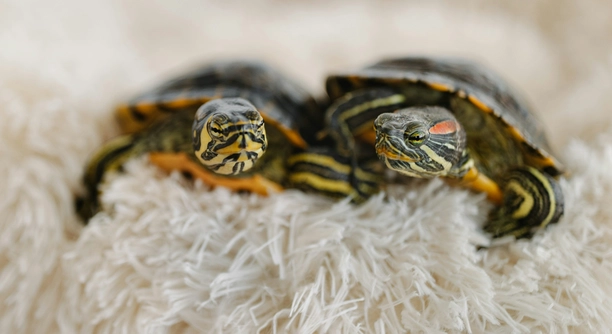
Red-eared sliders are a popular type of pet turtle, and their behavior can sometimes be puzzling. One common issue many owners face is their turtle’s constant hunger. If you’ve noticed your red-eared slider seems to be always looking for food, you’re not alone.
Red-eared sliders may seem constantly hungry due to a variety of factors, including a high metabolism, boredom, or improper diet. These turtles require a balanced diet, appropriate feeding schedule, and mental stimulation to prevent overfeeding and other health issues.
Understanding the reasons behind this behavior can help you provide the best care. You’ll learn how to address the problem effectively and maintain your turtle’s health.
Reasons Your Red-Eared Slider is Always Hungry
A red-eared slider’s appetite can be influenced by a few factors. Turtles are cold-blooded animals, meaning they need to eat more when they’re growing or when the environment is warmer. If your turtle is young, it may need more food to fuel its growth. On the other hand, a lack of variety in their diet can also cause them to constantly seem hungry. A limited diet can lead to a nutrient deficiency, prompting them to eat more in search of what’s missing. Lastly, if your turtle’s tank is too small or lacks enrichment, it may show an increase in food-seeking behavior due to boredom.
Even though turtles do not have the same energy needs as mammals, their growth stage, tank environment, and diet can make a significant difference in their feeding habits. It’s important to be mindful of their needs.
Feeding your turtle a variety of high-quality food such as leafy greens, pellets, and occasional protein like insects or fish can help address its hunger. A proper diet is vital for preventing overfeeding and promoting healthy development.
How Environment Plays a Role in Hunger
A red-eared slider’s habitat plays a big role in its feeding behavior. If your turtle’s environment isn’t stimulating enough, it might eat out of boredom. Turtles need space to roam, bask, and explore. A small tank or lack of variety in their environment can make them feel restless, leading them to focus on food as a way to pass the time. If your turtle has access to plenty of space to swim and bask, this could help keep its hunger in check.
Inadequate lighting and temperature conditions in the tank can also cause behavioral changes. When these turtles don’t have access to proper UVB lighting or the right temperature, they may become stressed or lethargic. This can increase their need for food, either due to stress or to compensate for a lack of energy.
A well-lit tank with an appropriate water temperature, combined with enough space for your turtle to move around, is key to keeping hunger at bay. Make sure their basking area is dry and heated, and their water is clean to support overall health.
How Much Should You Be Feeding Your Turtle?
Feeding your red-eared slider the right amount of food is essential for their well-being. Overfeeding can lead to obesity, while underfeeding can cause malnutrition. For adults, feeding them once every other day is often enough. Young turtles require more frequent feedings, usually once a day.
The amount of food to provide should be about the size of the turtle’s head. Offer a balanced diet that includes both plant matter, like leafy greens, and protein sources, such as small fish or insects. Avoid feeding too many high-fat foods, as this can lead to health issues in the long run.
It’s also important to monitor the portions. If your turtle leaves food behind, it could be a sign of overfeeding. On the other hand, if it seems hungry soon after eating, you may need to adjust portion sizes. Always avoid feeding too much at once, as it can cause digestion issues.
The Impact of Temperature and Lighting
Turtles rely on proper lighting and temperature to stay healthy. If their tank is too cold or lacks UVB light, it can lead to metabolic problems. A healthy environment promotes their digestion and overall activity levels, which in turn affects their hunger.
Proper UVB lighting is crucial for their metabolism, helping them process calcium and vitamin D3. If the temperature is too low, your turtle may slow down and not be able to process food properly, which can make them appear hungrier. Ensure their tank has a basking area with a heat lamp to keep them active.
Inadequate lighting or incorrect temperatures could cause your turtle to overeat or become stressed. Maintaining the right tank environment is just as important as providing the correct food.
Feeding Habits of Red-Eared Sliders
Red-eared sliders are opportunistic feeders, meaning they will eat as much as they can when food is available. This trait is rooted in their natural environment where food can be scarce at times. Therefore, they may seem perpetually hungry.
In the wild, they are constantly foraging for food, and this instinct remains even in captivity. This behavior may cause them to eat more than they actually need if given the chance. It’s essential to regulate their food intake carefully to avoid overfeeding and associated health issues.
Boredom and Lack of Enrichment
Boredom can lead to excessive hunger in red-eared sliders. Without sufficient stimulation, they may eat more out of habit or as a way to relieve stress. Turtles need a variety of things to do, such as swimming, basking, and interacting with their environment.
To help manage hunger, consider adding enrichment activities, like hiding food for them to find or adding floating toys. Keeping their environment dynamic can reduce their focus on food and improve their overall well-being.
Inappropriate Diet Leading to Excess Hunger
If your turtle’s diet lacks variety, they might feel hungry more often. A well-rounded diet should include leafy greens, pellets, and occasional protein like small fish or insects. Feeding them too much of one type of food can result in nutritional imbalance. This imbalance can cause them to crave more food in search of missing nutrients.
FAQ
Why does my red-eared slider keep begging for food?
Red-eared sliders often beg for food due to their natural foraging instincts. They have a tendency to eat as much as they can when food is available, which makes them appear constantly hungry. This behavior can be exacerbated if their tank lacks stimulation or if they’re not getting enough variety in their diet. It’s important to establish a routine feeding schedule and resist the urge to feed them every time they beg, as this could lead to obesity or health problems.
How much food should I give my red-eared slider each day?
The amount of food depends on the age and size of your turtle. Young turtles require more food than adults due to their rapid growth. Typically, young red-eared sliders can be fed daily, while adults should be fed every other day. The food should be roughly the size of the turtle’s head. Make sure to offer a balanced diet that includes both plant-based foods like leafy greens and protein sources like small fish or insects. If your turtle leaves food behind, you may be overfeeding.
Can overfeeding cause problems for my red-eared slider?
Yes, overfeeding can lead to obesity, which can cause several health issues, such as shell deformities and difficulty moving. Additionally, excess food can result in water quality problems, as uneaten food can pollute the tank. To avoid overfeeding, measure their food based on their size and age. Offering food that they can consume in 10-15 minutes is a good rule of thumb. Adjust the portion size if your turtle consistently leaves food behind or seems hungrier shortly after eating.
What is the best diet for my red-eared slider?
A balanced diet for a red-eared slider includes a variety of leafy greens, such as collard greens, dandelion greens, and kale. You can also feed them pellets designed for aquatic turtles, which provide essential nutrients. Additionally, occasional protein sources such as live insects, worms, or small fish are beneficial. It’s important to avoid feeding them too many high-fat or processed foods, as this can cause health issues. Offering a varied diet helps ensure they receive all the necessary nutrients to stay healthy.
How can I tell if my red-eared slider is eating enough?
If your turtle is eating the food you offer without leaving much behind, it’s likely eating enough. However, keep an eye on its behavior and body condition. If your turtle is still begging for food shortly after eating, it may not be getting enough. Conversely, if your turtle becomes overweight, you may need to reduce the portions. Healthy red-eared sliders are active, alert, and have a smooth, firm shell. If any of these signs are lacking, it could indicate under or overfeeding.
How can I prevent my red-eared slider from becoming overweight?
Preventing obesity in red-eared sliders requires careful control of both their diet and exercise. Provide the right amount of food for their size and age, and avoid overfeeding them. Ensure their diet includes a good balance of plant matter, protein, and essential nutrients. In addition, creating an environment that encourages physical activity is important. A spacious tank, areas for swimming, and a basking area can help your turtle stay active and healthy. Regularly monitor your turtle’s weight and health to prevent overfeeding.
Does my red-eared slider need supplements?
Red-eared sliders may need supplements if their diet lacks certain nutrients. For instance, calcium is crucial for shell and bone health, and a lack of it can lead to soft or deformed shells. You can provide calcium through cuttlebone or powdered calcium supplements sprinkled on their food. Additionally, a UVB light is necessary for them to synthesize vitamin D3, which aids in calcium absorption. If you’re unsure about their nutritional needs, consult a veterinarian to ensure your turtle’s diet is balanced.
How can I tell if my red-eared slider is not eating enough?
If your turtle is losing weight, becoming lethargic, or showing signs of weakness, it may not be eating enough. Other signs to watch for include a decrease in swimming activity or an inability to bask properly. If you notice any of these symptoms, check their feeding schedule and diet. A lack of appetite can also indicate underlying health issues, so it’s important to consult a vet if these symptoms persist.
Can red-eared sliders eat fruit?
While fruit is not a major part of a red-eared slider’s diet, it can be offered occasionally as a treat. Fruits like strawberries, bananas, and apples are fine in small amounts. However, fruits should not replace their regular diet of leafy greens, protein, and pellets. Too much fruit can upset their digestive system due to the high sugar content. Offering fruit once or twice a week is plenty for a red-eared slider.
What type of protein should I feed my red-eared slider?
Protein sources are essential for red-eared sliders, especially when they are young and growing. You can feed them live or frozen insects like crickets, mealworms, or earthworms. Small fish like guppies or minnows can also be a good protein source. Ensure that the protein is appropriately sized for your turtle, and avoid offering too much at once, as this can lead to imbalances in their diet. If you feed live food, make sure it is free from harmful chemicals or pesticides.
When caring for a red-eared slider, it’s important to understand that their hunger may stem from several factors, including their natural instincts, environment, and diet. These turtles are opportunistic feeders, meaning they will eat whenever food is available. In the wild, this helps them store energy during times of scarcity. In captivity, however, it’s crucial to regulate their food intake to prevent overfeeding and obesity. A balanced diet, proper portion sizes, and a consistent feeding schedule can help manage their hunger and keep them healthy.
Another key factor to consider is the environment in which your turtle lives. If your turtle’s tank is too small, lacks proper lighting, or doesn’t provide enough space to swim and bask, it may become more focused on food as a form of stimulation. Ensuring your turtle has a spacious and enriching habitat can reduce food-seeking behavior. Proper lighting and temperature are also essential for your turtle’s metabolism and overall health. When their environment is just right, it can help decrease the constant hunger and improve their well-being.
In the end, providing the right care for your red-eared slider requires attention to detail in both their diet and living conditions. Understanding why your turtle is always hungry can help you address any underlying issues and make adjustments accordingly. With the right balance of nutrition, environment, and exercise, your red-eared slider can lead a healthy, active life. Keep an eye on their behavior, adjust their diet when necessary, and provide an enriching environment to ensure they stay happy and healthy for years to come.

Hello,
If you enjoy the content that we create, please consider saying a "Thank You!" by leaving a tip.
Every little bit helps us continue crafting quality advice that supports the health, happiness, and well-being of pets around the world, for pets of all shapes, sizes, and species.
We really appreciate the kindness and support that you show us!