
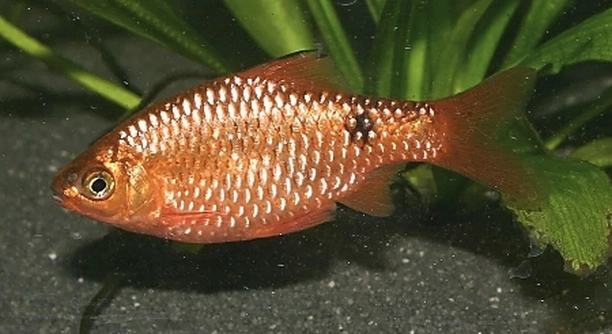
Rosy Barbs are lively fish that add color and movement to any aquarium. Sometimes, they disappear or hide more than usual, which can be concerning for their keepers. Understanding why they hide is key to keeping them healthy and comfortable.
Several conditions cause Rosy Barbs to hide, including stress from poor water quality, inadequate tank size, lack of hiding places, illness, aggressive tank mates, sudden changes in environment, and improper diet. Each factor affects their behavior and wellbeing significantly.
Knowing these causes helps improve your tank setup and care routine. This ensures your Rosy Barbs stay active and visible, making your aquarium more enjoyable to watch.
Poor Water Quality
Poor water quality is a common reason why Rosy Barbs hide. When water parameters like ammonia, nitrite, nitrate, or pH levels are off, these fish feel uncomfortable and stressed. Dirty water can cause irritation and harm their health, making them seek shelter more often. Regular water changes and proper filtration are essential to maintain good water conditions. Testing your water frequently helps catch any problems early. If water quality declines, Rosy Barbs will hide to avoid further stress and potential illness. Keeping the tank clean creates a stable and safe environment that encourages natural behavior.
Water with high ammonia or nitrite levels is especially harmful and will make Rosy Barbs hide until conditions improve.
By paying attention to water quality, you protect your fish from illness and encourage them to swim freely. Clean water supports their immune system and reduces stress. Ensuring the right temperature and pH balance also plays a role. Consistency is key because sudden changes in water quality can trigger hiding. Monitoring and maintaining water quality can transform a shy, hiding fish into a lively and visible member of your aquarium.
Tank Size and Environment
Rosy Barbs need enough space to swim comfortably and feel secure. A small or overcrowded tank limits their movement and increases stress, causing them to hide more frequently. Providing plants, rocks, or decorations gives them safe places to retreat without feeling trapped. These hiding spots help reduce anxiety and mimic their natural habitat. An appropriately sized tank with a balanced environment encourages Rosy Barbs to explore rather than stay hidden. Overcrowding also leads to poor water quality, which can worsen hiding behavior. Maintaining a proper tank size and environment helps keep Rosy Barbs active and confident in their surroundings.
Illness and Disease
When Rosy Barbs are sick, they often hide to conserve energy and avoid threats. Illnesses like bacterial infections or parasites cause discomfort and weakness. Hiding is a natural response to feeling unwell.
Common signs of disease include faded colors, clamped fins, and sluggish movement. Infected fish may isolate themselves and stop eating. Treating illness early is crucial for recovery. Quarantining sick fish and using proper medication helps prevent spreading disease to other tank mates. Maintaining clean water and a stress-free environment supports healing. Observing your fish closely can help catch health problems before they worsen.
Proper nutrition and regular tank maintenance also strengthen Rosy Barbs’ immune systems. Stress from illness can cause prolonged hiding, so timely intervention is important. Healthy fish tend to be more active and display natural behaviors, which enhances the aquarium’s overall appearance.
Aggressive Tank Mates
Aggressive fish can intimidate Rosy Barbs, leading them to hide more often. Territorial or aggressive species cause stress and fear, pushing Rosy Barbs to seek shelter. Avoid keeping Rosy Barbs with overly aggressive or larger fish that may bully them.
Creating a peaceful community tank with compatible species helps Rosy Barbs feel safe. Dividing the tank with decorations or plants can reduce aggression by providing hiding spots and breaking lines of sight. Monitoring fish behavior and adjusting the tank’s population prevents bullying. A calm environment encourages Rosy Barbs to swim openly and reduces hiding tendencies. Matching fish temperament and size supports harmony in the aquarium.
Aggression disrupts natural behaviors and affects the health of all fish involved. Careful selection and arrangement of tank mates are key to minimizing stress and hiding in Rosy Barbs.
Sudden Changes in Environment
Sudden changes in water temperature or lighting can stress Rosy Barbs. These changes often cause them to hide until they adjust.
Consistency in the tank’s environment helps keep Rosy Barbs calm. Gradual changes reduce stress and encourage normal behavior.
Lack of Proper Diet
A poor diet lacking essential nutrients weakens Rosy Barbs, making them less active and more likely to hide. Feeding a balanced diet with quality flakes, pellets, and occasional live or frozen foods promotes their health and energy. Proper nutrition supports immune function and vibrant colors.
Lack of Hiding Places
Without enough plants or decorations, Rosy Barbs may feel exposed and hide more. Adding shelters creates a safer environment and reduces stress.
Why do my Rosy Barbs hide all the time?
Rosy Barbs often hide due to stress caused by factors like poor water quality, aggressive tank mates, or sudden environmental changes. When they feel unsafe or uncomfortable, hiding is their natural way to protect themselves. Monitoring tank conditions and providing a calm environment reduces hiding behavior.
How can I improve water quality for my Rosy Barbs?
Regular water changes, proper filtration, and frequent testing of water parameters like ammonia, nitrite, and nitrate help maintain good water quality. Avoid overcrowding and remove uneaten food promptly. These steps create a healthier tank environment where Rosy Barbs feel comfortable and active.
What tank size is best for Rosy Barbs?
Rosy Barbs need at least a 20-gallon tank for a small group. This size allows enough swimming space and helps reduce stress. Overcrowding leads to poor water quality and hiding. Providing space encourages natural, visible behavior.
Can Rosy Barbs live with aggressive fish?
It’s best to avoid keeping Rosy Barbs with aggressive or much larger fish. Aggression causes stress and forces Rosy Barbs to hide. Select peaceful tank mates with similar size and temperament to maintain harmony.
How do I know if my Rosy Barbs are sick?
Signs of illness include faded colors, clamped fins, lethargy, loss of appetite, and hiding more than usual. Observe your fish closely for changes. Prompt treatment and quarantine of sick fish help prevent spreading disease.
What should I feed my Rosy Barbs?
Feed a varied diet of high-quality flakes or pellets supplemented with live or frozen foods like brine shrimp or bloodworms. Proper nutrition supports their immune system, color, and activity levels. Avoid overfeeding to prevent water quality problems.
Why do sudden changes in the tank affect Rosy Barbs?
Sudden changes in temperature, lighting, or water chemistry stress Rosy Barbs, leading them to hide until they adjust. Introduce changes slowly and maintain stable conditions to keep them calm and active.
How important are hiding places in the tank?
Hiding places like plants and decorations provide security and reduce stress for Rosy Barbs. Without enough shelter, they may feel exposed and hide excessively. Creating a balanced environment with hiding spots encourages natural behavior.
Can stress cause health issues in Rosy Barbs?
Yes, prolonged stress weakens the immune system, making Rosy Barbs more susceptible to disease. Reducing stress by improving tank conditions and minimizing aggression helps maintain their health and visibility.
How often should I test my aquarium water?
Testing water weekly is ideal, especially for ammonia, nitrite, nitrate, and pH levels. Regular testing helps detect issues early, allowing timely action to prevent stress and hiding behavior in Rosy Barbs.
What is the best way to introduce new Rosy Barbs to an established tank?
Acclimate new fish slowly by gradually adjusting them to the tank’s water conditions. This reduces shock and stress, making them less likely to hide. Quarantine new fish to avoid introducing disease.
Is lighting important for Rosy Barbs’ behavior?
Yes, appropriate lighting helps regulate their daily activity. Too bright or too dim lighting can stress Rosy Barbs and cause hiding. Use moderate lighting and include shaded areas for comfort.
How do I reduce aggression in my community tank?
Separate aggressive fish, add more hiding spots, and avoid overcrowding. Proper tank layout and compatible species help create a peaceful environment, encouraging Rosy Barbs to swim openly.
What should I do if my Rosy Barbs keep hiding despite changes?
If hiding continues, check for illness, water quality, and compatibility of tank mates. Consult a specialist if needed. Persistent hiding may indicate deeper health or environmental issues.
Can Rosy Barbs adapt to different water conditions?
They prefer stable, slightly alkaline water with a temperature between 64-72°F (18-22°C). Sudden or extreme changes stress them. Gradual adjustments help Rosy Barbs adapt without hiding.
Rosy Barbs are lively fish that brighten any aquarium, but their hiding behavior can be worrying. Understanding the main reasons why they hide helps improve their care and overall wellbeing. Factors like poor water quality, tank size, diet, and the presence of aggressive tank mates all play important roles. When these needs are met, Rosy Barbs tend to feel more comfortable and show their natural, active behavior. Watching them swim freely and confidently is a good sign they are healthy and content.
Maintaining a stable and clean environment is essential for reducing hiding. Regular water changes, proper filtration, and careful monitoring of water parameters keep the tank safe and comfortable for Rosy Barbs. Providing enough space and hiding places mimics their natural habitat, helping to reduce stress. Feeding a balanced diet also supports their health and immune system, preventing illness that might cause them to retreat. Minimizing sudden changes in the tank’s environment and avoiding aggressive tank mates creates a peaceful community where Rosy Barbs thrive.
It is important to observe your fish regularly for signs of stress or illness. Early detection and prompt action can prevent problems from worsening. If Rosy Barbs continue to hide despite efforts to improve their environment, consulting a specialist may be necessary. By addressing the key conditions that cause hiding, you can enjoy a lively and beautiful aquarium. Taking these steps ensures your Rosy Barbs remain visible, active, and healthy for a long time.

Hello,
If you enjoy the content that we create, please consider saying a "Thank You!" by leaving a tip.
Every little bit helps us continue crafting quality advice that supports the health, happiness, and well-being of pets around the world, for pets of all shapes, sizes, and species.
We really appreciate the kindness and support that you show us!