
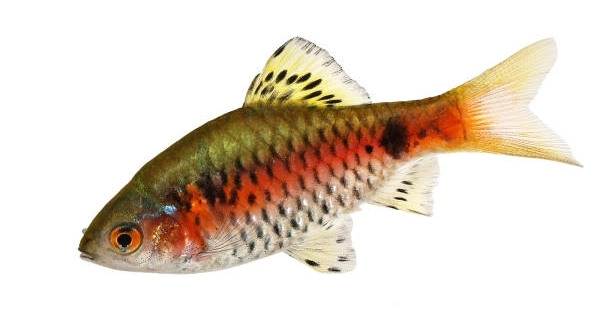
Rosy barbs are popular freshwater fish known for their lively colors and social behavior. Many aquarium enthusiasts enjoy watching how these fish move together in groups. Their schooling patterns reveal interesting behaviors that are unique to this species.
Rosy barb schooling exhibits seven distinct patterns, including coordinated turns, spacing maintenance, and synchronized swimming. These behaviors help reduce predation risk, improve foraging efficiency, and maintain social bonds within the group. Each pattern serves a specific role in their survival and interaction.
Understanding these unique patterns adds to the appreciation of rosy barbs and their natural instincts in a community setting. Observing them closely can reveal subtle details often missed at first glance.
Coordinated Turns
Rosy barbs often move in coordinated turns when swimming as a group. This pattern helps them stay together while changing direction quickly. When one fish shifts its path, others follow almost instantly. This smooth synchronization prevents the group from scattering, which can reduce their chance of being caught by predators. Coordinated turns also make it easier for the school to navigate through plants or obstacles in their tank. Watching this behavior is calming and shows how closely connected these fish are. It’s a natural way for them to protect each other and maintain the flow of movement without collisions. This pattern highlights their instinct to act as one unit rather than as individuals.
The school’s ability to turn together is a key survival skill that balances safety and efficient movement.
The precision of coordinated turns comes from constant visual and sensory communication among rosy barbs. Each fish reads small changes in the leader’s movement and reacts immediately. This creates a ripple effect, allowing the entire group to turn smoothly as a single body. The pattern is repeated many times during the day, showing their strong group coordination. In captivity, this behavior is a sign of healthy and comfortable fish. Tanks with enough space and hiding spots encourage natural schooling, letting them show off these fluid turns without stress.
Spacing Maintenance
Spacing maintenance keeps the school from overcrowding and bumping into each other.
Rosy barbs keep a balanced distance while schooling to avoid collisions and stress.
This pattern ensures that each fish has enough room to swim freely while still staying close to the group. Maintaining proper spacing helps reduce aggression, as fish can have personal space without feeling threatened. It also allows them to react quickly to changes in direction without causing confusion. In smaller tanks, spacing becomes more challenging, which can lead to discomfort and less natural behavior. Providing enough swimming space helps rosy barbs keep this balance and supports their social health. By watching spacing maintenance, one can see how these fish naturally manage harmony in their school.
Synchronized Swimming
Rosy barbs swim in sync to stay connected and avoid confusion within the school.
This synchronized movement is a natural way for the fish to communicate without words. When one fish moves its fins or changes speed, others adjust accordingly. This helps the entire group stay uniform and move as one. Synchronized swimming reduces energy use because the fish can take advantage of water flow created by others. It also makes it harder for predators to single out one fish. In an aquarium, watching their smooth, coordinated swimming is both calming and fascinating.
Their natural rhythm is visible in the gentle waves they create, moving side by side. This harmony keeps the school stable and balanced as it glides through the water.
Synchronized swimming is often a sign that the fish are comfortable and healthy. If they start swimming separately or erratically, it may mean something is wrong. This pattern shows their social bond and reliance on each other’s movements to stay safe and efficient. Maintaining this behavior needs a peaceful environment with enough space and minimal stress.
Leadership Shifts
Leadership shifts happen when one fish takes charge to guide the group.
The leader fish sets the pace and direction for the school, while others follow. These shifts happen naturally and often change between different members. This rotation prevents any single fish from becoming tired or stressed. Leadership is important during feeding or when avoiding danger. A fish that leads will often be more alert and active, encouraging others to respond. Watching which fish take the lead can reveal social roles within the school. In a tank, these shifts show the group’s dynamic and how each fish contributes to its movement. It’s a key part of their schooling behavior that keeps them organized and safe.
Quick Responses
Rosy barbs react quickly to sudden changes around them. This helps the school stay safe from threats.
Rapid responses include darting away or changing direction instantly when sensing danger. These quick moves keep the group alert and coordinated.
Resting Behavior
Rosy barbs often slow down or hover in place during rest periods. This helps conserve energy without breaking the group’s cohesion. Resting together also provides safety, as staying close reduces vulnerability to predators.
Feeding Frenzy
When food is introduced, rosy barbs show rapid, excited swimming. The school becomes more active and tightly packed to compete for food. This behavior is a clear sign of their natural instinct to eat quickly in groups.
Social Grooming
Rosy barbs sometimes gently nudge or rub against each other. This social grooming helps build bonds and reduce tension within the school. It’s a subtle but important way they maintain harmony.
FAQ
What is the main reason rosy barbs school together?
Rosy barbs school mainly for protection and social interaction. Staying in a group reduces the chance of any one fish being targeted by predators. It also helps them find food more efficiently and keeps them connected with each other for better communication.
How many rosy barbs should be kept together to encourage natural schooling?
To encourage natural schooling behavior, keeping at least six rosy barbs together is ideal. Smaller groups may not show true schooling patterns and can cause stress. A group of six or more allows them to feel safe and display their natural synchronized movements.
Can rosy barbs school with other types of fish?
Rosy barbs can sometimes school loosely with other peaceful fish of similar size and swimming speed. However, their tight schooling patterns mostly happen within their own species. Mixing them with very different fish may reduce their natural schooling behavior.
Do rosy barbs always stay in school or do they swim alone sometimes?
While rosy barbs prefer to swim in schools, they might swim alone briefly when exploring or feeding. Still, they usually return to the group quickly for safety and social reasons. Prolonged isolation can be stressful for them.
What tank conditions support healthy schooling behavior?
A spacious tank with good water quality and enough hiding places supports healthy schooling. Rosy barbs need room to swim freely and interact without overcrowding. Stable temperature and clean water reduce stress, helping them maintain natural behaviors.
Why do rosy barbs sometimes scatter suddenly?
Sudden scattering often happens when the fish sense a threat or get startled by sudden movement or noise outside the tank. This quick response is a defense mechanism that helps confuse predators and protect the group.
How does lighting affect rosy barb schooling?
Proper lighting helps rosy barbs see each other clearly, which is important for synchronized swimming and coordinated turns. Too bright or too dim lighting can cause stress and disrupt their normal schooling patterns.
Is it normal for a leader fish to act differently in the school?
Yes, the leader fish often swims at the front and shows more alertness. This fish guides the group’s movement and pace but changes frequently to avoid exhaustion. Leadership shifts are natural and help keep the school balanced.
What should I do if my rosy barbs stop schooling?
If rosy barbs stop schooling, check for water quality, tank size, and stress factors like aggressive tank mates or sudden changes. Ensuring stable conditions and a calm environment usually helps them return to normal schooling behavior.
Can rosy barbs school in small tanks?
Small tanks limit schooling since there isn’t enough space for natural movement. Crowded conditions increase stress and reduce the quality of their schooling. Larger tanks are recommended to allow full expression of their schooling patterns.
How can I encourage rosy barbs to school more closely?
Providing enough space, consistent feeding routines, and a peaceful environment encourages closer schooling. Avoid sudden movements or loud noises near the tank, and keep the water clean to help them feel safe and connected.
Do rosy barbs show schooling patterns at night?
At night, rosy barbs tend to rest more and reduce active schooling. They may stay close but slow down or hover. Schooling behavior is mostly visible during their active daylight hours.
Are rosy barbs schooling patterns affected by age or size?
Yes, younger or smaller rosy barbs may school more tightly as a protection strategy. Larger or older fish sometimes take on leadership roles and guide the group. Size and age influence how they interact within the school.
How often should I observe rosy barb schooling behavior?
Observing schooling behavior regularly helps track their health and well-being. Daily short observations during feeding or active times provide insights. Changes in schooling patterns can indicate stress or illness, so watching often is beneficial.
Final Thoughts
Rosy barbs show fascinating schooling behaviors that are important for their survival and well-being. These patterns, like coordinated turns, spacing maintenance, and synchronized swimming, help them stay safe and connected in groups. Understanding these behaviors gives us a clearer picture of how these fish live and interact in their environment. Watching rosy barbs move together smoothly is not only interesting but also a sign that they are healthy and comfortable in their surroundings. It reminds us that fish, like many animals, rely on social behaviors to feel secure and thrive.
Keeping rosy barbs in a suitable tank environment plays a big role in allowing their natural schooling patterns to appear. A tank that is too small or crowded can cause stress and make these behaviors harder to see. Providing enough space, good water quality, and a calm atmosphere supports their natural instincts. It is also important to keep a group of rosy barbs rather than a few alone, as their social nature depends on being part of a school. When these conditions are met, the fish display their unique schooling patterns clearly, which makes caring for them more rewarding.
Finally, paying attention to rosy barbs’ schooling habits can help spot early signs of problems. If the fish stop schooling, scatter often, or act differently, it might mean they are stressed or sick. Knowing what normal schooling looks like helps in noticing when something is off. This awareness helps keep rosy barbs healthy and happy over time. The more we understand about their schooling behavior, the better we can meet their needs and enjoy the beauty of their group movements in our tanks.

Hello,
If you enjoy the content that we create, please consider saying a "Thank You!" by leaving a tip.
Every little bit helps us continue crafting quality advice that supports the health, happiness, and well-being of pets around the world, for pets of all shapes, sizes, and species.
We really appreciate the kindness and support that you show us!