
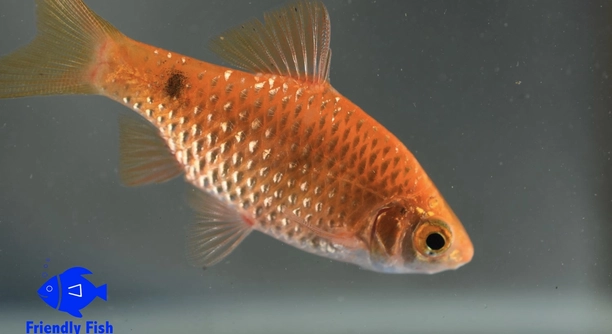
Rosy Barbs are popular aquarium fish known for their lively colors and active nature. Many fishkeepers notice these fish often linger near tank corners, sparking interest in their behavior and habitat preferences. Understanding this habit can improve tank setups for these vibrant fish.
Rosy Barbs tend to stay near corners because these areas provide a sense of security and reduced water flow. Corners offer shelter from open spaces, helping them feel safe from perceived threats while allowing easy access to food and rest.
This article will explore why these fish prefer corners and how this knowledge can help you create a comfortable environment for them.
Why Rosy Barbs Prefer Corners
Rosy Barbs often stay near corners because these spots offer a feeling of safety. Corners have less water current, making it easier for fish to rest without fighting strong flows. These areas are also less exposed, so the fish feel less vulnerable to predators or sudden movements in the tank. When fish feel secure, they swim calmly and show their natural colors better. Corners also provide visual barriers that reduce stress by blocking too much open space. Many aquarists notice that Rosy Barbs retreat to corners when the tank is newly set up or when there are sudden changes like new fish or rearranged decorations. Over time, as the fish get more comfortable, they may explore more, but corners remain a favorite resting place.
This behavior is natural and shows how Rosy Barbs use their environment to feel secure and relaxed in the tank.
Knowing this can help you place decorations and plants to create a calm habitat where your fish feel at home.
How to Create Comfortable Corners for Rosy Barbs
Adding plants or decorations in tank corners can make these spots more inviting for Rosy Barbs. Plants not only offer hiding places but also improve water quality and add natural beauty. Rocks or driftwood create solid barriers that help the fish feel protected. Avoid placing too many decorations in the middle of the tank, as this may force the fish into open areas where they feel exposed. Using gentle filtration keeps water flow low near corners, matching the Rosy Barbs’ preference. When setting up your tank, think about how the fish will use the space. Creating cozy corners encourages natural behavior and reduces stress, which supports better health and more vibrant colors. Observing your fish’s favorite spots can guide you in arranging the tank for their comfort and well-being.
Signs of Stress in Rosy Barbs Near Corners
When Rosy Barbs linger too long in corners, it may signal stress. Stress signs include clamped fins, lack of appetite, or hiding more than usual. These behaviors suggest the fish may feel unsafe or uncomfortable in their environment.
Poor water quality is a common stress factor. Ammonia, nitrite, and nitrate levels that are too high can cause discomfort. Sudden changes in temperature or pH also upset Rosy Barbs. Additionally, overcrowding or aggressive tank mates make corners feel like a refuge from threats. If stress continues, the fish may become weak or susceptible to illness. Monitoring water parameters and tank conditions is essential to keep stress low and fish healthy.
Regular water changes, a balanced diet, and a calm environment can reduce stress. Providing plenty of hiding spots outside corners also encourages the fish to explore and feel secure throughout the tank.
Feeding Habits and Corners
Rosy Barbs sometimes gather near corners during feeding times because food often accumulates there. Uneaten flakes or pellets can settle in these areas, attracting the fish. Feeding near corners can help control where food drops and reduce waste in the tank.
Feeding habits influence how much time Rosy Barbs spend in corners. If food is given consistently in one spot, the fish learn to expect it there. This routine builds a connection between corners and safety, reinforcing their preference for those areas. It also helps fish avoid competition from others by spreading feeding zones.
However, it’s important to vary feeding locations occasionally. This encourages Rosy Barbs to swim more actively and explore the tank. Balanced feeding prevents overfeeding and keeps fish healthy while maintaining their comfort around corners.
Tank Size and Corner Behavior
Smaller tanks tend to make Rosy Barbs stay in corners more often. Limited space increases their need for secure spots. Larger tanks encourage more swimming and exploration.
A crowded tank with many fish also pushes Rosy Barbs toward corners. Overcrowding limits free movement and raises stress levels, making corners a refuge for these fish.
Lighting and Its Effect on Corners
Bright lighting can make Rosy Barbs seek shaded corners to feel safe. Dimmer or indirect lighting helps them feel more comfortable swimming in open areas. Adjusting light levels can balance their behavior and activity.
Tank Mates Influence on Corner Preference
Aggressive or overly active tank mates cause Rosy Barbs to hide near corners for protection. Peaceful companions encourage them to explore more freely. Carefully selecting compatible fish reduces stress and corner dwelling.
Water Flow and Corners
Strong water currents push Rosy Barbs into calmer corners. Gentle flow allows more freedom to swim around the tank. Controlling water movement helps manage where these fish prefer to spend time.
FAQ
Why do Rosy Barbs stay in corners more than other parts of the tank?
Rosy Barbs stay in corners because these areas provide a feeling of safety and calm. Corners have less water movement and offer shelter from open spaces. This makes the fish feel less exposed to threats or sudden changes in the tank. It’s a natural behavior that helps them reduce stress and rest more comfortably.
Is it normal for Rosy Barbs to hide in corners after introducing new fish?
Yes, it is normal. When new fish join the tank, Rosy Barbs may feel threatened or unsure. Hiding in corners is their way of coping with the change. As they get used to the new environment and tank mates, they usually become more confident and swim more openly again.
Can water quality affect how much time Rosy Barbs spend in corners?
Absolutely. Poor water quality makes Rosy Barbs uncomfortable and stressed. High ammonia, nitrite, or nitrate levels cause irritation and health problems. These fish may retreat to corners to avoid the discomfort. Regular water testing and maintenance keep water clean and encourage healthier, more active behavior.
How does tank decoration influence corner behavior?
Tank decorations like plants, rocks, and driftwood add hiding places and break up open spaces. This can encourage Rosy Barbs to use corners as resting spots while feeling protected. Proper decoration placement makes the tank more natural and helps reduce stress by providing shelter.
Do Rosy Barbs need strong water flow in their tank?
No, they prefer gentle water flow. Strong currents push Rosy Barbs into calmer corners where they can rest. Maintaining a moderate water movement helps balance oxygen levels without stressing the fish. Adjusting the filter or adding flow blockers can create the right environment.
How often should I feed Rosy Barbs and where?
Feed Rosy Barbs small amounts two to three times daily. Distribute food evenly around the tank rather than in just one corner. This prevents overcrowding and helps the fish explore different areas, promoting activity and reducing stress linked to competition for food.
What tank size is best to prevent Rosy Barbs from hiding too much?
A tank of at least 30 gallons is ideal for Rosy Barbs. Larger tanks offer more swimming space and reduce feelings of confinement. This encourages the fish to move freely and use all parts of the tank, not just corners. Avoid overcrowding to keep stress low.
Do tank mates affect whether Rosy Barbs stay in corners?
Yes, tank mates play a big role. Aggressive or overly active fish can scare Rosy Barbs, causing them to hide. Peaceful, similarly sized fish help Rosy Barbs feel safer and more social. Choosing compatible species reduces stress and promotes natural swimming behavior.
How does lighting affect Rosy Barbs’ corner preference?
Bright lights can make Rosy Barbs seek shade in corners or behind decorations. Dimmer or indirect lighting helps them feel more comfortable exploring open areas. Adjusting the lighting schedule or using floating plants for shade can improve their comfort and reduce hiding.
Can Rosy Barbs be trained to swim away from corners?
While you can encourage more active swimming by changing feeding spots and tank layout, Rosy Barbs’ natural instincts mean they will still use corners for safety. Providing a secure, well-decorated tank helps them feel confident to explore but accepting their corner preference is normal.
Rosy Barbs naturally seek corners in their tanks because these spots offer safety and comfort. Corners have less water movement and provide shelter from open spaces, making fish feel secure. This behavior is a way for them to reduce stress and avoid feeling vulnerable. Understanding this habit helps aquarium owners create a better environment for their fish, allowing them to thrive. Providing cozy corners with plants or decorations supports the fish’s natural instincts and promotes healthy, calm behavior.
Keeping water quality high and maintaining gentle water flow are also important for Rosy Barbs. Poor water conditions or strong currents can increase stress and push the fish to hide more often. Regular water changes and proper filtration help keep the tank clean and comfortable. Adjusting the water flow to avoid strong currents near corners gives Rosy Barbs the chance to rest without fighting against the current. These small changes can make a big difference in how often the fish feel safe to explore the whole tank instead of staying in just one area.
Tank size and the choice of tank mates also affect how much time Rosy Barbs spend near corners. Smaller or overcrowded tanks limit their space and increase stress, so fish are more likely to stay in secure spots. Aggressive or very active tank mates can also cause Rosy Barbs to hide more often. Providing enough space and selecting peaceful companions encourages more natural swimming behavior. By paying attention to these factors, fishkeepers can help their Rosy Barbs feel comfortable and enjoy a healthier, happier life in their aquarium.

Hello,
If you enjoy the content that we create, please consider saying a "Thank You!" by leaving a tip.
Every little bit helps us continue crafting quality advice that supports the health, happiness, and well-being of pets around the world, for pets of all shapes, sizes, and species.
We really appreciate the kindness and support that you show us!