
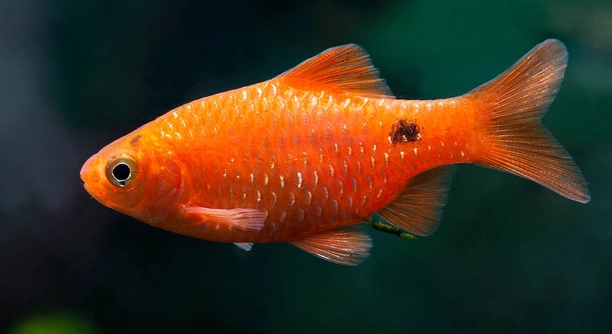
Are your Rosy Barbs constantly chasing, nipping, or flaring at each other, leaving your tank more chaotic than calm?
The main way to reduce Rosy Barb tension is to keep them in properly sized groups with enough space and enrichment. When housed in balanced numbers and given room to swim, their aggression naturally decreases.
A few small adjustments can create a peaceful environment for your fish and help prevent future stress or injury.
Keep Rosy Barbs in Groups of Six or More
Rosy Barbs are naturally social fish that do best when kept in a group. If you keep too few, they may show aggressive behavior toward each other, especially in smaller tanks. A group of six or more helps balance out their energy and gives them enough interaction to feel secure. When there are enough fish in the group, the chasing and fin-nipping tend to spread out and lessen. It’s also helpful for keeping a clear hierarchy, which can reduce long-term stress. Always make sure the group includes a mix of males and females, as too many males can lead to increased competition. With a balanced group, you’ll likely notice calmer behavior and more synchronized swimming, which are good signs they’re comfortable. This is a simple but effective step in improving their overall well-being and reducing tension in the tank.
Avoid keeping just one or two, as this often leads to frustration and increased aggression.
Adding more fish might seem counterintuitive at first, but for Rosy Barbs, numbers create a sense of order. It mirrors how they behave in nature and keeps their social needs met, leading to a more peaceful setup. If you’ve noticed extra tension, try gradually increasing the group size to see a change.
Provide a Large, Well-Planted Tank
Rosy Barbs are very active swimmers and need space to move around freely. A cramped tank will make them feel stressed and may trigger more aggression. A minimum of 30 gallons is recommended, though larger is always better. Plants, rocks, and decorations are also important. These not only make the tank more interesting but also give the fish places to explore or retreat when they need a break. Live plants like Java fern, hornwort, or Anubias work well because they’re hardy and provide natural shelter. You don’t want a tank that feels bare or tight—give them room and structure to feel secure. More space and variety can lead to less chasing and more peaceful behavior, especially when you’re housing multiple males.
A spacious tank that includes hiding spots helps diffuse tension and gives fish areas to claim as their own.
When you pair proper group size with a tank that suits their activity level, you create a better environment. Rosy Barbs can become territorial if they feel cornered, so having open areas to swim and places to hide balances things out. Plants break up sightlines, so fish aren’t constantly staring at each other, which helps avoid unnecessary flaring or nipping. Keeping the water clean and filtered also plays a big part in how they behave. A well-planted, roomy tank mimics their natural habitat and gives them the freedom to swim, explore, and rest without added stress. Over time, this setup reduces tension and creates a more stable home for your fish.
Reduce Bright Lighting and Strong Currents
Too much light or strong water flow can stress out Rosy Barbs and make them more irritable. Bright lights often cause them to feel exposed, while strong currents can tire them out and lead to aggressive outbursts.
Use moderate lighting that mimics natural conditions. Floating plants or dimmable LEDs can help tone down brightness while still keeping the tank attractive. Keep current levels low or moderate, especially near their resting areas. Avoid power filters or wavemakers that produce strong flow throughout the entire tank. Place decorations to break up flow patterns and create calmer spots where the fish can rest. Observing your fish during different times of the day can help you spot if the lighting or current is bothering them. When conditions feel less harsh, Rosy Barbs tend to swim more smoothly and show fewer signs of stress.
Light and flow changes don’t need to be drastic. Sometimes just adjusting the placement of the filter output or adding a few floating plants is enough. Try making small changes one at a time and see how the fish respond. Rosy Barbs usually calm down in tanks that feel stable and safe, and reducing bright lights or strong water movement is one simple way to get there. Their color may also appear more vibrant in softer lighting.
Add Visual Barriers and Tank Zones
Barbs often flare or chase when they see each other too often in open spaces. Creating blocked sightlines with tall plants, driftwood, or decor helps lower these repeated interactions and can ease tension quickly.
Use decorations to create separate zones within the tank. This gives fish a chance to claim small areas and stay out of each other’s way. When zones are clearly defined, there’s less direct competition. Try mixing upright plants with wide-leaf varieties to make a more natural layout. Place taller items in the center or along the back to separate the swimming paths and make it easier for fish to avoid each other when needed. This also helps mimic riverbank conditions where fish can move in and out of cover. Once these zones are established, you’ll likely notice more peaceful swimming patterns and fewer flare-ups between the barbs.
Avoid Overcrowding the Tank
When too many fish are kept in a small space, tension builds quickly. Rosy Barbs need room to swim without bumping into others constantly. Overcrowding also leads to poor water quality, which adds more stress.
A good rule is one inch of fish per gallon of water, but active swimmers like Rosy Barbs need even more space. If the tank feels too busy, consider moving some fish to another setup. Watch for signs like frequent chasing, hiding, or faded colors, which may mean they’re overwhelmed.
Choose Tank Mates Wisely
Rosy Barbs do best with fast, peaceful fish that won’t provoke them or get stressed by their energy. Good tank mates include Zebra Danios, Platies, and larger Tetras. Avoid slow swimmers or long-finned fish like Bettas, which may become targets. Choose species that can hold their own but aren’t aggressive. Adding peaceful bottom dwellers like Corydoras or Loaches can help fill the tank’s lower space and reduce mid-level crowding. When the community is calm and active, Rosy Barbs usually behave better. Monitor new additions closely to make sure they fit in well with the group.
Feed Small Amounts More Often
Feeding once or twice in smaller portions keeps Rosy Barbs occupied and less aggressive. It also prevents leftover food from spoiling and helps maintain clean water. Spread food across the tank so each fish gets a fair chance.
FAQ
Why are my Rosy Barbs chasing each other all the time?
Chasing is common among Rosy Barbs, especially if the group is too small or there isn’t enough space in the tank. They are naturally active and social, but when their needs aren’t met, this energy turns into aggressive chasing. It can also happen if you have too many males and not enough females. Try increasing the group size to six or more, with a balanced sex ratio. Adding more swimming space, hiding spots, and visual barriers can also help reduce constant chasing and allow the fish to calm down.
Can Rosy Barbs be aggressive?
Yes, they can be mildly aggressive, especially in tight or stressful conditions. Males are often more territorial and may nip at each other or other fish. However, this behavior is usually manageable with the right setup. A large tank, proper group size, and compatible tank mates are key. When they have enough space and stimulation, they tend to behave more peacefully. If aggression continues despite these changes, monitor individual fish to see if one is more dominant and consider separating it temporarily to reduce tension in the group.
Do Rosy Barbs need to be in a group?
Absolutely. Rosy Barbs are schooling fish, and keeping them alone or in small numbers can lead to stress, aggression, or odd behavior. A group of six or more allows them to interact naturally and creates a balanced dynamic. When kept alone, they may become skittish or overly aggressive toward other tank mates. Groups help spread out energy, make them feel safer, and reduce the risk of one fish being constantly targeted. Always aim to keep them with their own kind unless your tank is already heavily stocked or limited in space.
What is the best tank size for Rosy Barbs?
A minimum of 30 gallons is recommended for a small group, but larger is better. These fish are active swimmers and need room to dart around and explore. If you’re keeping a larger group or adding other species, go for a 40-gallon or bigger tank. More space helps prevent overcrowding, allows for better territorial separation, and supports healthier water conditions. The bigger the tank, the easier it is to manage aggression and provide hiding spots and open areas. Make sure the tank has a secure lid—Rosy Barbs are known to jump.
How do I know if my Rosy Barbs are stressed?
Signs of stress in Rosy Barbs include hiding more than usual, faded colors, frantic swimming, or nipping at each other. They may also lose their appetite or show less interest in exploring the tank. These behaviors can come from poor water quality, lack of space, or improper lighting. Check your tank’s temperature, pH, and ammonia levels regularly. Make sure they have enough room to swim and areas to hide. When they feel secure, Rosy Barbs display brighter colors, eat regularly, and interact calmly with each other.
What tank mates should I avoid with Rosy Barbs?
Avoid slow-moving or long-finned fish like Bettas, Angelfish, or Guppies. Rosy Barbs are fast and curious, and they may nip at anything that looks like flowing fins. Also stay away from overly aggressive fish like Cichlids, which can stress them out. Choose tank mates that are similar in speed and temperament. Peaceful mid- to top-level swimmers that aren’t easily spooked work well. Fish like Cherry Barbs, Danios, Mollies, or larger Tetras are good options. If a new fish causes sudden tension, you may need to rehome or rearrange the tank layout.
How often should I feed Rosy Barbs?
Feed them once or twice a day in small amounts. Only give what they can eat in under two minutes. Spreading food across different areas of the tank keeps things peaceful and reduces competition. Overfeeding can lead to water problems and increased aggression due to stress. Rotate between high-quality flakes, pellets, and occasional treats like blanched vegetables or frozen bloodworms to keep them active and healthy. A varied diet helps meet their nutritional needs and gives them something to look forward to, which often reduces unwanted behaviors like nipping or chasing.
Final Thoughts
Rosy Barbs are active, social fish that can add a lot of life to your tank, but they do need the right setup to stay peaceful. When kept in small groups or in tanks without enough space, they often become aggressive or stressed. Making a few small changes can lead to a big difference. Start by checking the group size. A group of six or more helps them feel safer and spreads out their energy. Keeping just one or two usually causes more problems than it solves. Also, try to provide a mix of males and females to avoid too much competition between the fish.
Tank size and layout are just as important. Rosy Barbs need plenty of room to swim, with open areas and hiding spots spread throughout the tank. A 30-gallon tank is the bare minimum, but more space is always better, especially if you plan to add other species. Add plants, driftwood, or other decor to break up sightlines and create zones. These spots give fish a chance to rest or stay out of each other’s way when needed. Also, avoid bright lighting and strong currents, as these can make the fish feel exposed or overwhelmed. Softer lighting and gentle flow help keep the tank calm and balanced.
It’s also helpful to feed your Rosy Barbs small amounts of food more than once a day. This keeps them busy and lowers the chance of competition during feeding time. Make sure tank mates are peaceful and can match the Rosy Barbs’ energy without being too slow or aggressive. Fish like Danios or Tetras are usually a good match. Keep an eye on their behavior—chasing, hiding, or faded color may mean they’re stressed and something needs to change. Rosy Barbs aren’t too hard to care for once their basic needs are met. With a good tank setup, the right group size, and a peaceful community, they usually settle down and become enjoyable fish to watch. Small changes can go a long way in creating a calm, balanced tank that works for both them and you.

Hello,
If you enjoy the content that we create, please consider saying a "Thank You!" by leaving a tip.
Every little bit helps us continue crafting quality advice that supports the health, happiness, and well-being of pets around the world, for pets of all shapes, sizes, and species.
We really appreciate the kindness and support that you show us!