
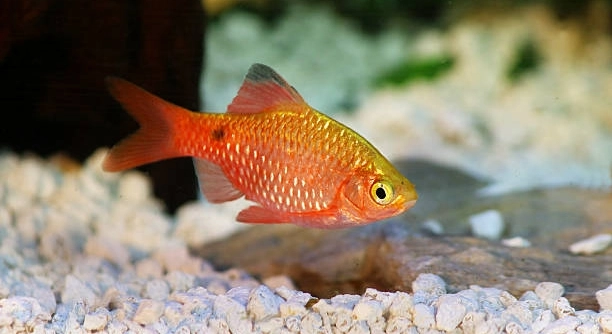
Rosy barbs are popular freshwater fish often seen swimming in groups. Many aquarists notice that these fish tend to follow one leader closely. This behavior can seem puzzling to those new to keeping rosy barbs.
Rosy barbs follow a single fish primarily due to social hierarchy and safety mechanisms within their shoal. The leading fish often signals direction and alerts others to potential threats, promoting coordinated group movement and enhancing the overall survival of the group.
Understanding why rosy barbs behave this way helps improve tank harmony and care. The reasons behind their following behavior reveal much about their natural instincts and social structure.
The Social Nature of Rosy Barbs
Rosy barbs are naturally social fish that thrive in groups, which is why you often see them schooling together. Their following behavior is a way to stay connected and safe. In their natural habitat, sticking close to others helps protect them from predators. When one fish moves, the others follow to avoid getting left behind or caught. This behavior also helps reduce stress because being part of a group makes them feel more secure. It is common for one fish to take the lead because it may be the boldest or most experienced in the group. The other rosy barbs watch this leader for cues on where to swim and when to hide. This kind of social organization helps keep the group coordinated and balanced.
The leader fish often shows confidence, which encourages others to follow without hesitation.
This social instinct is important to consider when keeping rosy barbs in a tank. Providing enough space and companions helps them feel comfortable and reduces aggressive behavior that may arise if they feel isolated. Recognizing their need for companionship can improve their health and overall activity. A well-maintained group of rosy barbs will naturally organize around a leader, making the tank look lively and harmonious.
How the Leader Is Chosen
The leader is usually the most active or dominant fish in the group.
Dominant rosy barbs take charge because they are often stronger or more confident. These fish explore the tank first and decide on movement. Others rely on this behavior to follow safely. This natural order helps prevent confusion and keeps the group moving smoothly. Even in a small aquarium, this pattern appears clearly. The leader helps set the pace for swimming and searching for food, which keeps everyone in sync. When the leader changes, the group quickly adapts to follow the new fish, showing their flexibility in social roles. Understanding this dynamic helps tank owners manage group behavior and prevent stress by keeping the group stable and balanced.
Benefits of Following Behavior
Following a single fish helps rosy barbs stay safe from predators. It also makes finding food easier since the leader often locates feeding spots first. This behavior improves their chances of survival both in the wild and in captivity.
When rosy barbs follow one fish, they reduce the risk of getting lost or separated. This is important because isolated fish can become stressed or vulnerable. By moving together, they also save energy, as swimming in a group creates less resistance in the water. This makes their movement more efficient, especially in larger tanks or open waters.
Following also helps maintain order in the group. It prevents fights and confusion, which can happen when too many fish try to lead at once. A clear leader provides structure, helping the entire group stay calm and coordinated during feeding or when reacting to sudden changes.
Impact on Aquarium Care
Keeping rosy barbs in groups is essential for their well-being. Without enough companions, they may become stressed or aggressive.
Providing at least six rosy barbs helps mimic their natural social behavior. When they have enough fish to follow, they feel more secure and active. A leader will naturally emerge, and the group will stay organized. Tank size matters, too—more space lets the fish swim freely and reduces tension. Ensuring good water quality and hiding spots supports their natural instincts and keeps them comfortable. Observing their behavior can guide adjustments in tank setup, promoting a peaceful and healthy environment for the whole group.
How Following Reduces Stress
Following a leader helps rosy barbs feel safe and less anxious. Being part of a group provides comfort and reduces fear of threats.
When they stay close together, their environment feels more predictable. This lowers stress and helps maintain their health over time.
Signs of Leadership in Rosy Barbs
Leaders tend to be more active and explore the tank first. They often swim confidently and show less hesitation than others. These traits encourage other fish to follow them naturally, keeping the group unified and calm.
Encouraging Healthy Group Behavior
To promote healthy following behavior, keep rosy barbs in proper group sizes. Provide enough space and hideouts to reduce competition and stress, allowing natural social structures to develop.
Common Mistakes to Avoid
Keeping too few rosy barbs or a cramped tank disrupts their natural following behavior and can cause stress or aggression.
FAQ
Why do rosy barbs always follow one fish?
Rosy barbs follow one fish because of their natural social behavior. The leader fish sets the direction and pace for the group. This helps keep the group together, making them feel safer and less stressed. Following a leader also helps them find food more efficiently and avoid threats.
Can rosy barbs change their leader?
Yes, rosy barbs can change their leader if the current leader becomes weak, sick, or less active. Another confident fish will take over the role, and the group will follow the new leader without much trouble. This flexibility helps maintain group stability and survival.
How many rosy barbs should I keep together?
It’s best to keep at least six rosy barbs in a tank. Smaller groups may feel insecure and show signs of stress or aggression. Larger groups allow the fish to form a natural social hierarchy and display healthier following behavior.
Does tank size affect rosy barbs’ following behavior?
Yes, tank size matters. A spacious tank allows the fish to swim freely and follow each other naturally. Crowded or small tanks can cause stress and disrupt their social order. Aim for at least 20 gallons for six rosy barbs, with plenty of open swimming space.
What happens if a rosy barb is left alone?
A solitary rosy barb may become lonely, stressed, or lethargic. They are social fish and rely on group interactions for comfort. Keeping them alone can lead to health problems and unusual behavior.
How can I tell which rosy barb is the leader?
The leader is usually the most active and confident fish. It swims at the front of the group and explores new areas first. This fish tends to be bolder and less shy than the others, naturally guiding the group.
Does following behavior mean one fish is aggressive?
Not necessarily. Following is mostly about safety and coordination, not aggression. However, if one fish is overly dominant and chases others aggressively, it could cause stress. Observing their behavior can help you spot any problems early.
Can I have other fish species with rosy barbs?
Yes, but choose peaceful species that won’t bully or stress the rosy barbs. Avoid slow-moving or very small fish, as rosy barbs can be active and sometimes nippy. Good tank mates include danios, tetras, and other medium-sized, peaceful fish.
What should I do if my rosy barbs don’t follow a leader?
If they don’t show clear following behavior, it could mean the group is too small, stressed, or unhealthy. Check tank conditions, water quality, and group size. Improving these factors often restores natural behavior quickly.
How important is water quality for rosy barbs’ social behavior?
Water quality is very important. Poor water conditions can stress fish and disrupt their social patterns. Clean, well-filtered water keeps rosy barbs healthy and encourages natural behaviors like following and schooling.
Can following behavior change over time?
Yes, following behavior can change depending on group dynamics, health, and environment. As fish age or if new fish are added, the leader might change, and the group will adjust. This shows their social flexibility and need for proper care.
Is it normal for rosy barbs to sometimes swim alone?
Occasionally, a fish might swim alone, especially when exploring or resting. However, they usually return to the group quickly. Long periods of isolation could indicate illness or stress and need attention.
Do rosy barbs always follow the strongest fish?
Not always the strongest, but usually the most confident or active fish leads. Strength can play a role, but personality and boldness often determine leadership in the group.
How can I encourage rosy barbs to follow each other more?
Maintain a proper group size, provide enough space, and keep the tank environment stable. Feeding at consistent times also helps them move together. Avoid sudden changes or stressors that could disrupt their social behavior.
Can following behavior help detect fish health issues?
Yes, changes in following behavior can signal health problems. If a fish stops leading or falls behind, it might be sick or stressed. Watching their movement and interaction is a good way to monitor overall health.
Is it normal for the leader fish to change frequently?
Leaders usually stay consistent but can change if the current leader becomes weak or if group dynamics shift. Frequent changes may signal stress or imbalance in the tank, which may need attention.
This FAQ should cover most common questions about why rosy barbs follow a single fish and how to support their natural behavior in an aquarium setting. Understanding these behaviors can improve your care and create a peaceful tank environment.
Rosy barbs are naturally social fish that feel safer and more comfortable when they swim together in groups. Their habit of following a single leader is part of how they stay organized and protected. This following behavior is not just about sticking close but also about communicating and keeping the group in sync. When one fish takes the lead, the others watch and move along, helping reduce stress and confusion. Understanding this natural behavior helps us create better tank environments that support their social needs.
It’s important to provide rosy barbs with enough space and companions to keep their following behavior healthy. Small groups or cramped tanks can cause stress and disrupt their natural order. When the fish have room to swim and at least five or six companions, a clear leader usually emerges. This leader helps guide the group during feeding and keeps the fish calm. Watching how they interact can give clues about their health and mood. If you notice a change in which fish leads or if they stop following, it could mean something in the tank needs attention.
Taking care of rosy barbs means more than just feeding them and keeping the water clean. It means understanding their social instincts and allowing them to express natural behaviors like following. By giving them a stable group and a comfortable environment, you help them stay active and healthy. The following behavior is a sign of their strong social bonds, and supporting this will make your tank a peaceful place where rosy barbs thrive. This simple insight can improve how you care for them and enjoy watching their lively interactions.

Hello,
If you enjoy the content that we create, please consider saying a "Thank You!" by leaving a tip.
Every little bit helps us continue crafting quality advice that supports the health, happiness, and well-being of pets around the world, for pets of all shapes, sizes, and species.
We really appreciate the kindness and support that you show us!