
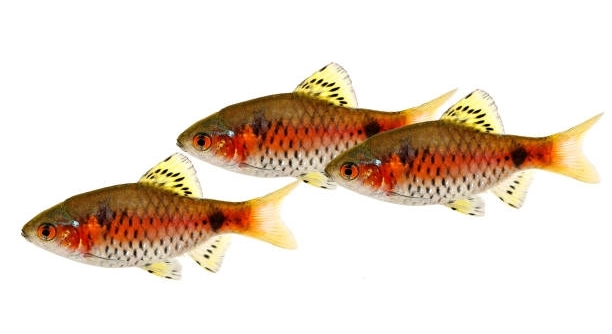
Rosy barbs are popular freshwater fish known for their vibrant colors and active behavior. They often gather in specific spots within their tanks, making those areas their favorite places to swim and feed. Observing any change in this behavior can be concerning for fishkeepers.
Rosy barbs may avoid their favorite spot due to changes in water quality, temperature fluctuations, or the presence of stressors such as overcrowding or aggressive tank mates. These factors can alter their comfort level and prompt them to seek safer or more suitable areas within the aquarium.
Understanding why rosy barbs change their behavior helps maintain a healthy environment. This knowledge supports better care and ensures their well-being in home aquariums.
Common Causes for Rosy Barbs Avoiding Their Favorite Spot
Changes in water conditions are a frequent reason why rosy barbs stop visiting their usual spots. Poor water quality, such as high ammonia or nitrite levels, can make them uncomfortable and prompt them to move elsewhere. Temperature shifts outside their ideal range also influence their behavior, as rosy barbs prefer stable, moderate warmth. Overcrowding can stress them, especially if the tank lacks enough space or hiding places. Aggressive or overly active tank mates might intimidate them, forcing the fish to seek safer zones. Even changes in lighting or the arrangement of decorations may affect their preferred locations. Keeping a close eye on these environmental factors helps in maintaining a comfortable habitat for rosy barbs and encourages their natural behaviors.
Water changes and proper filtration are key to preventing these issues and supporting the fish’s comfort and health.
Adjusting the aquarium setup to better suit rosy barbs often resolves their avoidance. Ensuring water parameters stay within recommended limits improves their overall well-being. Providing enough space, appropriate companions, and stable lighting helps restore their usual patterns. Monitoring stress signs early allows for quick corrective action. Small adjustments in care routines can make a significant difference, encouraging rosy barbs to return to their favorite spots and enjoy a healthy environment.
Effects of Tank Environment on Rosy Barb Behavior
Poor tank conditions cause stress that disrupts rosy barbs’ habits. Stress can lead to hiding or lethargy.
Maintaining a balanced tank environment is essential for rosy barbs to thrive. Water quality must be regularly tested and kept within safe limits to prevent toxic buildup. Temperature should be consistent, ideally between 64°F and 72°F, to match their natural preferences. Tank size matters, as overcrowding increases stress and aggression. The choice of tank mates influences social dynamics; calm, compatible fish reduce tension. Decorations and plants offer hiding spots, giving the fish a sense of security. Proper lighting cycles support their natural rhythms. Neglecting these factors often results in behavioral changes, such as avoiding favorite spots or reduced activity. Regular maintenance, thoughtful stocking, and environmental enrichment create a stable habitat, promoting healthier, more active rosy barbs that display natural behaviors.
How Diet Affects Rosy Barb Behavior
Poor nutrition can impact rosy barbs’ energy and willingness to explore. An unbalanced diet may cause them to stay hidden or avoid usual spots.
Feeding rosy barbs a varied diet ensures they receive necessary nutrients. High-quality flakes, pellets, and occasional live or frozen foods keep them healthy and active. Lack of proper nutrients can weaken their immune system, making them more sensitive to stress and changes in their environment. Consistent feeding schedules also contribute to a sense of routine and security. When their dietary needs are met, rosy barbs are more likely to maintain normal behavior patterns, including frequenting their favorite tank areas.
It’s important to avoid overfeeding, as leftover food can pollute the water and cause further issues. Balanced nutrition supports both their physical health and natural activity levels, helping them feel comfortable and confident in their surroundings.
Signs of Stress in Rosy Barbs
Stress often causes rosy barbs to hide or avoid interaction. Early recognition of stress signs is crucial for their health.
Behavioral changes like loss of appetite, hiding, erratic swimming, or faded colors indicate stress in rosy barbs. Environmental stressors such as poor water quality, aggressive tank mates, or sudden changes in tank setup often trigger these symptoms. Physical signs can include clamped fins or rapid breathing. Ignoring these signs risks illness and reduced lifespan. Regular observation helps detect stress early, allowing timely intervention. Adjustments like improving water parameters, reducing overcrowding, and providing hiding spots can alleviate stress. Recognizing and responding to stress helps maintain a peaceful, healthy environment for rosy barbs to thrive.
Tank Maintenance and Its Impact
Regular tank maintenance directly affects rosy barbs’ comfort and behavior. Dirty tanks cause stress and force fish to avoid certain areas.
Cleaning the tank, changing water regularly, and checking filters prevent harmful buildup of toxins. Neglected tanks create unsafe environments that disrupt fish routines. Proper maintenance promotes a stable habitat where rosy barbs feel secure and behave naturally.
Lighting Conditions
Lighting influences where rosy barbs prefer to stay. Too bright or too dim light can make them uncomfortable.
Importance of Hiding Spots
Hiding places reduce stress by giving rosy barbs safe spaces to retreat. Without enough cover, they may avoid open favorite spots.
Tank Size Considerations
A small or overcrowded tank limits movement and increases stress, causing rosy barbs to change their usual patterns.
FAQ
Why have my rosy barbs suddenly stopped visiting their favorite spot?
Sudden changes in water quality or temperature often cause this behavior. Stress from aggressive tank mates or overcrowding may also drive them away. Any recent changes in the tank environment should be checked and corrected to encourage them to return.
How often should I test my aquarium water to keep rosy barbs comfortable?
Testing water weekly is recommended to catch any issues early. Key parameters include ammonia, nitrite, nitrate, pH, and temperature. Regular testing helps maintain stable conditions, preventing stress that causes fish to avoid their usual spots.
Can poor diet cause rosy barbs to behave differently?
Yes, an unbalanced or inadequate diet can weaken their immune system and reduce activity. Feeding a mix of high-quality flakes, pellets, and occasional live or frozen foods keeps them healthy and encourages normal behavior.
What signs of stress should I look for in rosy barbs?
Look for hiding, loss of appetite, faded colors, clamped fins, and erratic swimming. These signs suggest the fish is uncomfortable and may need changes in their environment or care routine.
Is overcrowding a common reason for behavioral changes?
Overcrowding raises stress levels and can lead to aggression. Rosy barbs need enough space to swim freely and avoid confrontations. Keeping appropriate stocking levels promotes peace and regular activity.
How important are hiding spots for rosy barbs?
Very important. Hiding places reduce stress by giving fish a safe retreat. Without enough cover, they may avoid open areas they once frequented.
Does lighting affect where rosy barbs like to stay?
Yes, too bright or too dim lighting can make fish uncomfortable. Adjusting light intensity and providing shaded areas helps them feel secure and encourages natural behavior.
What is the ideal tank size for rosy barbs?
A minimum of 30 gallons is suggested for a small group. Larger tanks reduce stress, allow natural schooling behavior, and prevent territorial disputes.
Can aggressive tank mates cause rosy barbs to hide?
Aggressive or overly active fish can intimidate rosy barbs, causing them to avoid certain areas or hide. Choosing peaceful companions supports healthier social interactions.
How can I reduce stress for my rosy barbs?
Maintaining stable water conditions, providing proper diet, adequate space, hiding spots, and peaceful tank mates all reduce stress. Regular tank maintenance and observation ensure prompt care adjustments.
What should I do if my rosy barbs continue to avoid their favorite spots?
Reassess water quality, tank size, and social dynamics. Make gradual improvements and observe their response. If problems persist, consulting an aquarium specialist may help diagnose hidden issues.
Final Thoughts
Rosy barbs are lively and colorful fish that add beauty to any aquarium. When they avoid their favorite spots, it is often a sign that something in their environment needs attention. Paying close attention to water quality, tank size, and tank mates is important for keeping them comfortable. Small changes in these areas can greatly impact their behavior and well-being. Maintaining a clean tank with stable water parameters encourages rosy barbs to act naturally and enjoy their space.
Stress is a common reason for changes in fish behavior, including avoiding usual areas. It can come from many sources, such as poor water conditions, overcrowding, or aggressive tank mates. Providing hiding spots and consistent lighting helps reduce stress and creates a safer environment for the fish. Diet also plays a key role in their health. Feeding rosy barbs a balanced diet keeps their immune system strong and supports normal activity levels. By addressing these factors, the chances of seeing rosy barbs return to their favorite spots increase.
Consistent care and observation are essential for a healthy aquarium. Regular water testing, tank cleaning, and careful selection of companions create a stable habitat that meets the needs of rosy barbs. Changes in their behavior should not be ignored but seen as signals to improve their surroundings. Taking these steps will help maintain a peaceful and enjoyable tank for both the fish and the keeper. With patience and attention, rosy barbs can thrive and display the lively, engaging behavior they are known for.

Hello,
If you enjoy the content that we create, please consider saying a "Thank You!" by leaving a tip.
Every little bit helps us continue crafting quality advice that supports the health, happiness, and well-being of pets around the world, for pets of all shapes, sizes, and species.
We really appreciate the kindness and support that you show us!