
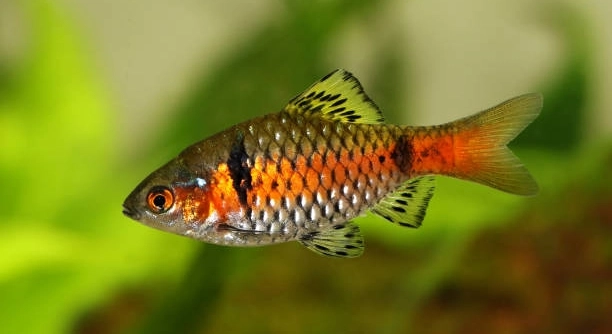
Rosy barbs are popular freshwater fish often chosen for community tanks. Their bright colors and active nature make them appealing companions. Understanding how they adapt to new tank mates helps ensure a peaceful aquarium environment.
Rosy barbs generally adjust to tank mates relatively quickly if introduced properly. They tend to be moderately peaceful but can show some fin-nipping behavior. Proper tank size, hiding spaces, and compatible species reduce stress and promote faster adaptation.
Learning about their social behavior and environment needs will help maintain harmony in your tank. This insight supports a balanced and healthy aquatic community for all fish involved.
How Rosy Barbs Behave with New Tank Mates
When introduced to new tank mates, rosy barbs can show a range of behaviors. They are generally social fish but may test boundaries at first by chasing or nipping fins. This behavior is often a way to establish dominance rather than aggression. Over time, most rosy barbs settle down and accept other fish. Their activity level helps them adjust, but they do need space to swim freely. Tank size plays an important role in reducing stress and aggression. Providing plenty of plants and hiding spots can also help all fish feel secure. Keeping similar-sized and temperament fish reduces conflicts. It is important to avoid slow-moving or long-finned fish that might become targets for nipping. Monitoring their interactions closely during the first few days is essential to ensure the community remains peaceful and stress-free.
Adjusting tank conditions early can help rosies feel more comfortable with their neighbors.
Rosy barbs thrive in lively environments but need consistent water parameters. Stable temperatures between 65 and 75°F and clean water support their health. Sudden changes can increase stress and lead to behavior issues. Feeding them a balanced diet with occasional treats strengthens their immune system. Watching for signs of persistent aggression or illness will help you act quickly. Proper care ensures rosies remain active and integrated with other tank mates. When managed well, rosy barbs contribute to a colorful and dynamic aquarium community.
Signs of Successful Adaptation
A peaceful coexistence with other fish is a good indicator of rosy barbs’ adjustment.
Successful adaptation means rosy barbs swim calmly alongside tank mates without frequent chasing or fin-nipping. They eat well, show normal activity, and respond to their environment. Stress signs like hiding or clamped fins should decrease as they settle in. Keeping an eye on their behavior helps maintain harmony. When rosies and other fish interact naturally, it shows that the tank environment supports their well-being.
Patience and consistent tank maintenance are key to helping rosy barbs settle smoothly with new companions.
Preparing Your Tank for Rosy Barbs
Preparing the tank properly before introducing rosy barbs can prevent many common issues. Clean water, stable temperature, and adequate space are essential. Adding plants and hiding spots helps reduce stress and aggression among fish.
Before adding rosy barbs, test the water for ammonia, nitrites, and nitrates to ensure it is safe. The tank should be at least 20 gallons to provide enough room for swimming and to avoid overcrowding. Plants like Java fern and floating species give cover and reduce aggression. Installing a good filtration system keeps the water clear and healthy. Avoid sudden changes in water conditions, which can stress the fish. Proper lighting that mimics natural day and night cycles helps maintain their normal behavior.
Acclimate rosy barbs slowly by floating their bag in the tank water for 15-20 minutes. This helps them adjust to the temperature gradually. Adding small amounts of tank water into the bag over time will help them get used to the water chemistry. When releasing them, avoid dumping the bag water into the tank to reduce contamination risk. Observing their first hours after introduction can help detect any immediate stress or conflicts. With these steps, rosies settle more quickly and peacefully.
Choosing Compatible Tank Mates
Rosy barbs do best with active, similarly sized fish that share similar water requirements. Avoid slow or long-finned species vulnerable to nipping.
Good tank mates include danios, barbs, and some tetras. These fish tolerate the same temperature range and have comparable temperaments. Avoid aggressive species or those that are very timid, as this can cause stress and territorial disputes. Providing enough space and hiding spots also supports compatibility by allowing fish to escape if needed. Keeping a balanced ratio, such as one rosy barb for every three other fish, helps reduce dominance behavior. Regularly observing the tank dynamics ensures peaceful coexistence and allows early intervention if conflicts arise.
Monitoring Behavior After Introduction
It is important to watch your rosy barbs closely after introducing them to new tank mates. Early signs of stress or aggression need quick attention to prevent problems.
Look for frequent chasing, fin damage, or hiding. These behaviors indicate issues with adjustment or compatibility. Early intervention helps maintain peace in the tank.
Common Signs of Stress in Rosy Barbs
Stress in rosy barbs often shows through reduced activity, loss of appetite, or faded colors. These signs suggest that the environment or tank mates may not be suitable. Stress weakens their immune system, increasing illness risk. Keeping water conditions stable and providing enough space can reduce stress. If problems persist, consider separating aggressive fish or adjusting tank conditions.
Benefits of Group Living for Rosy Barbs
Rosy barbs feel more secure and active when kept in groups of at least six. Group living reduces aggression and encourages natural schooling behavior, which helps them adapt more easily to tank mates. A well-sized group also spreads out any aggressive behavior, making it less intense toward individual fish. This social nature makes them ideal for community tanks when introduced properly.
Adjusting Tank Setup for Better Harmony
Changes like adding plants, rearranging decorations, or increasing tank size can improve interactions. These adjustments help reduce stress and aggression among fish.
FAQ
How long does it take for rosy barbs to adjust to new tank mates?
Rosy barbs usually take a few days to two weeks to adjust to new tank mates. The exact time depends on tank conditions, the temperament of all fish involved, and how carefully the introduction is managed. Proper acclimation and a well-prepared environment speed up the process.
Are rosy barbs aggressive toward other fish?
Rosy barbs can show mild aggression, mainly in the form of fin-nipping or chasing during the first few days. This behavior is usually about establishing social order rather than true aggression. Providing enough space and hiding spots helps reduce this behavior.
What tank size is best for keeping rosy barbs with other fish?
A tank of at least 20 gallons is recommended when keeping rosy barbs with other fish. Larger tanks allow for better territory distribution and reduce stress. More space helps fish avoid conflicts and promotes peaceful coexistence.
Can rosy barbs live with slow-moving or long-finned fish?
It is not recommended to keep rosy barbs with slow-moving or long-finned fish. Rosy barbs’ playful and sometimes nippy nature may stress or injure these fish. It’s better to choose tank mates with similar activity levels and fin types.
What are signs that rosy barbs are not adjusting well?
Signs include constant chasing, damaged fins, hiding, loss of appetite, or faded colors. These behaviors suggest stress or incompatibility in the tank. Immediate adjustments, such as rearranging the tank or separating aggressive fish, may be necessary.
How can I reduce aggression when introducing rosy barbs?
To reduce aggression, introduce rosy barbs into a well-planted tank with plenty of hiding places. Acclimate them slowly, avoid overcrowding, and keep a good ratio of fish to reduce dominance fights. Monitoring their behavior daily helps catch problems early.
Do rosy barbs prefer to be in groups?
Yes, rosy barbs are schooling fish and prefer to be kept in groups of six or more. Group living makes them feel secure and helps disperse any aggressive behavior. A group also promotes natural swimming and social interaction.
What water conditions do rosy barbs need to stay healthy?
Rosy barbs thrive in clean, well-filtered water with stable temperatures between 65 and 75°F (18–24°C). Maintaining neutral to slightly alkaline pH (6.5–7.5) supports their health. Regular water changes and monitoring water quality keep them active and stress-free.
Is it necessary to rearrange the tank when adding new fish?
Rearranging decorations and plants before adding new fish can help reduce territorial behavior. Changing the layout disrupts established territories and lowers the chance of aggression. It encourages fish to explore the tank together rather than defending fixed areas.
Can diet affect how well rosy barbs get along with tank mates?
Yes, a balanced diet keeps rosy barbs healthy and less irritable. Feeding a mix of flakes, pellets, and occasional live or frozen foods supports their immune system and energy levels. Well-fed fish are less likely to show aggressive or stressed behaviors.
Final Thoughts
Rosy barbs are lively fish that can adjust well to new tank mates if their environment is properly prepared. Giving them enough space, stable water conditions, and suitable companions helps reduce stress and aggression. They are naturally social fish that prefer living in groups, which encourages calmer behavior. Taking the time to introduce them slowly and carefully increases the chances of a peaceful community tank.
It is important to pay attention to the behavior of rosy barbs and other fish in the tank. Watching for signs like fin-nipping, chasing, or hiding early on helps identify any problems before they get worse. If any fish show constant stress or aggression, changes such as rearranging plants or providing more hiding spots may be needed. Sometimes separating overly aggressive fish is the best option to keep the peace. Regular tank maintenance, including clean water and balanced feeding, supports the health and comfort of all fish.
Keeping rosy barbs with other fish requires patience and proper care, but the results are rewarding. When they adjust well, rosy barbs add color and activity to a community tank. Understanding their needs and behavior helps create a harmonious environment where they can thrive alongside their tank mates. A little effort in preparation and observation goes a long way toward a happy and healthy aquarium.

Hello,
If you enjoy the content that we create, please consider saying a "Thank You!" by leaving a tip.
Every little bit helps us continue crafting quality advice that supports the health, happiness, and well-being of pets around the world, for pets of all shapes, sizes, and species.
We really appreciate the kindness and support that you show us!