
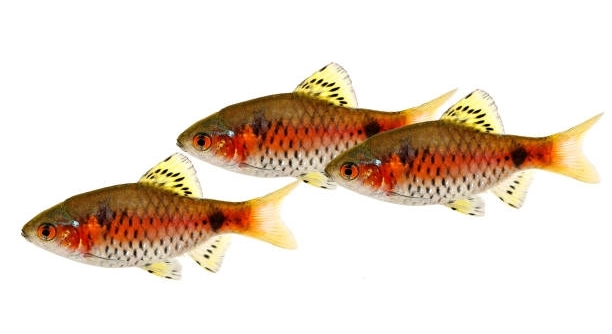
Rosy barbs are lively fish that require proper care to thrive. Feeding them well is essential to keep them healthy and active in any aquarium setting. Understanding their feeding habits can improve their overall well-being.
Feeding routines for rosy barbs should include varied diets given at regular intervals, focusing on high-quality flakes, pellets, and occasional live or frozen foods. Consistency in timing and portion size is key to preventing overfeeding and ensuring balanced nutrition.
These feeding methods support rosy barbs’ health and help maintain their vibrant colors. The following routines will guide you in creating the best feeding schedule for your fish.
Consistent Feeding Schedule
Maintaining a consistent feeding schedule is crucial for rosy barbs. Feeding them at the same time each day helps regulate their digestion and reduces stress. Most aquarists recommend feeding small amounts two to three times daily. Overfeeding can cause water quality issues and health problems, so it is important to offer only what the fish can consume within a few minutes. Using a timer or setting reminders can help keep feeding times steady. This routine also helps the fish develop predictable behavior, making it easier to observe any changes in their health or appetite.
Feeding twice or thrice daily in small portions keeps rosy barbs healthy and prevents overfeeding, ensuring better water conditions and fish well-being.
A consistent schedule also improves nutrient absorption. When fish eat at regular times, their metabolism adapts, allowing efficient processing of food. It helps avoid leftovers that can rot and pollute the tank. Regular feeding times encourage active behavior, which supports their physical condition and enhances their coloration. Keeping to this routine builds a balanced environment for both the fish and the aquarium ecosystem.
Variety in Diet
Introducing a variety of foods prevents nutritional deficiencies and keeps rosy barbs interested in their meals. Mixing flakes, pellets, frozen, and live foods provides a balanced diet. This variety ensures they receive essential proteins, fats, vitamins, and minerals. Offering different textures and tastes stimulates their appetite and natural foraging behavior. Avoid relying solely on one type of food, as it can lead to imbalances and reduce their overall health. Fresh vegetables such as spinach or peas can be added occasionally for fiber. Variety also mimics their natural diet more closely, supporting their immune system and growth.
A varied diet is essential to meet all nutritional needs and maintain the vitality of rosy barbs.
Careful planning of diet variety improves the fish’s immune defenses and coloration. Live foods like brine shrimp and daphnia are excellent protein sources and promote activity. Frozen foods offer convenience while maintaining nutrients. Flakes and pellets are good staples, but quality matters—choose brands with balanced ingredients. Including occasional plant matter offers fiber, aiding digestion. A varied diet prevents boredom and helps avoid selective eating habits. Consistent rotation of foods also minimizes the risk of vitamin deficiencies, keeping rosy barbs healthy and active in your tank for years.
Portion Control
Portion control is vital to avoid overfeeding rosy barbs. Feeding small amounts that they can finish within two to three minutes helps maintain water quality and fish health.
Overfeeding leads to leftover food that decomposes, causing harmful ammonia buildup in the tank. This stresses the fish and can trigger diseases. It also encourages algae growth, making the tank harder to maintain. Using a feeding ring or measuring tools can help regulate portions. Watching the fish while they eat ensures you stop once food is gone. This habit promotes better digestion and keeps the tank environment stable.
Feeding the right portions regularly supports rosy barbs’ growth and activity. Proper control prevents water pollution and reduces the risk of obesity and related health issues, contributing to a balanced tank ecosystem.
Feeding Live Foods
Live foods such as brine shrimp, daphnia, and bloodworms provide essential nutrients and stimulate natural hunting behaviors in rosy barbs. These foods boost their protein intake and improve overall vitality.
Incorporating live foods into the diet once or twice a week enhances their immune system and coloration. Live foods are rich in vitamins and promote active, healthy fish. However, it is important to source live food from reputable suppliers to avoid introducing diseases or parasites. Quarantine live foods before feeding if possible. Live food variety supports growth and encourages natural instincts that processed foods cannot fully replicate. They are a valuable addition to a balanced feeding routine.
Feeding Frequency
Feeding rosy barbs two to three times daily suits their metabolism best. Frequent small meals help maintain energy and prevent overeating.
Regular feeding keeps fish active and healthy. Avoid large single feedings that may cause digestive issues or water contamination.
Avoid Overfeeding
Overfeeding is a common problem that harms both fish and tank conditions. Leftover food decomposes and pollutes the water, increasing toxins and stressing fish. Careful portioning prevents this and maintains stable water quality. Feeding only what the fish can consume quickly reduces risks.
Supplement with Vegetables
Adding blanched vegetables like spinach or peas offers fiber and nutrients. These help with digestion and provide variety to the diet. Vegetables should be chopped small and fed sparingly to avoid excess waste in the tank.
Monitor Fish Behavior
Observe your rosy barbs’ eating habits regularly. Changes in appetite or activity can signal health issues or feeding problems that require adjustment.
FAQ
How often should I feed rosy barbs?
Feeding rosy barbs two to three times daily is ideal. Small, frequent meals fit their metabolism and prevent hunger or overeating. Feeding once a day may be too infrequent, while more than three times risks overfeeding and poor water quality.
What types of food are best for rosy barbs?
A mix of high-quality flakes or pellets should be the base of their diet. Supplement these with live or frozen foods like brine shrimp, daphnia, and bloodworms to provide protein and variety. Occasional blanched vegetables like spinach or peas add fiber and nutrients.
Can I feed only flakes or pellets?
Feeding only flakes or pellets is possible but not ideal. These foods provide basic nutrition, but a lack of variety can lead to deficiencies and less vibrant colors. Adding live, frozen, or vegetable foods improves health and natural behavior.
How much food should I give per feeding?
Offer only as much food as your rosy barbs can eat in about two to three minutes. This prevents leftover food from decaying and polluting the tank. Overfeeding can cause health issues like obesity and digestive problems.
Are live foods necessary?
Live foods are not necessary every day but are beneficial once or twice a week. They boost protein intake, improve immune function, and encourage natural hunting behavior. Ensure live foods come from safe sources to avoid introducing parasites.
What vegetables are safe for rosy barbs?
Blanched spinach, peas, zucchini, and cucumber slices are safe and healthy options. Vegetables should be finely chopped and fed sparingly to avoid excess waste. These provide fiber that aids digestion and helps prevent constipation.
Can rosy barbs eat human food?
Feeding human food is not recommended. Many human foods lack proper nutrients and may contain harmful additives or oils. Stick to fish-specific foods to maintain health and water quality.
What signs show my rosy barbs are overfed?
Signs of overfeeding include leftover food in the tank, cloudy water, and sluggish fish. Fish may become overweight or show swollen bellies. Water quality issues like ammonia spikes can also indicate overfeeding problems.
Is fasting beneficial for rosy barbs?
Occasional fasting—skipping one feeding a week—can help improve digestion and reduce waste buildup. It mimics natural feeding patterns and gives their system a break. However, fasting should not be overdone or done daily.
How do I transition my rosy barbs to new food?
Introduce new foods gradually over several days by mixing small amounts with their current diet. This prevents digestive upset and helps fish accept new textures and flavors more easily. Patience is key during this process.
Can feeding routines affect water quality?
Yes. Overfeeding increases uneaten food and fish waste, raising ammonia and nitrate levels. Consistent feeding amounts and schedules help maintain stable water parameters and reduce the need for frequent tank cleanings.
Should feeding amounts change with fish age or size?
Younger, growing rosy barbs generally need more frequent feedings and slightly larger portions compared to adults. Adjust feeding amounts as fish mature to avoid overfeeding and ensure balanced nutrition throughout their life stages.
How can I tell if my fish is hungry?
Active swimming near the surface or at feeding times and eager response to food are good hunger signs. Lack of interest or hiding may indicate illness or stress, not hunger. Feed according to schedule rather than signs alone to avoid overfeeding.
What is the best time of day to feed rosy barbs?
Feeding in the morning and early evening fits their natural activity patterns. Spacing meals evenly throughout the day supports steady energy levels. Avoid feeding late at night, which can lead to leftover food and poor water conditions.
Can feeding affect rosy barb coloration?
Yes. A balanced diet rich in protein and vitamins supports vibrant coloration. Foods containing carotenoids and natural pigments help maintain their bright reds and oranges. Poor diet can cause dull, faded colors over time.
Final thoughts on feeding rosy barbs focus on balance and consistency. These fish thrive when given a varied diet that meets their nutritional needs without overfeeding. It is important to offer the right portion sizes at regular times each day. Doing so helps maintain their health, supports growth, and keeps the aquarium environment stable. Feeding routines should be simple but thoughtful to avoid common problems such as poor water quality or digestive issues.
A varied diet that includes flakes, pellets, live or frozen foods, and occasional vegetables provides the best nutrition. Each type of food adds different benefits that contribute to the fish’s well-being. Live foods stimulate natural behaviors and improve immune health, while vegetables add fiber and essential nutrients. Sticking to quality foods from trusted sources is also key to preventing disease and maintaining vibrant colors. Careful planning and rotation of feeding options help create a balanced routine that suits the needs of rosy barbs.
Finally, observing the fish regularly is essential. Paying attention to their eating habits, activity levels, and overall condition helps identify any issues early on. Adjustments to feeding amounts or food types can be made based on their behavior and health. Keeping a consistent feeding schedule reduces stress and supports the fish’s natural rhythms. By following these guidelines, you can help your rosy barbs live a long, healthy life while maintaining a clean and balanced aquarium environment.

Hello,
If you enjoy the content that we create, please consider saying a "Thank You!" by leaving a tip.
Every little bit helps us continue crafting quality advice that supports the health, happiness, and well-being of pets around the world, for pets of all shapes, sizes, and species.
We really appreciate the kindness and support that you show us!