
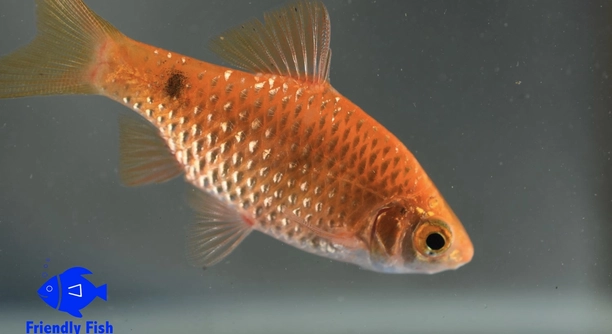
Rosy barbs are popular aquarium fish known for their vibrant colors and active behavior. During feeding times, these fish can become easily distracted, which affects how well they eat. Understanding these distractions helps improve their feeding experience and overall care.
Common distractions for rosy barbs during feeding include sudden movements around the tank, reflections on the glass, water flow disturbances, and the presence of other fish competing for food. These factors can interrupt their focus and reduce feeding efficiency.
Recognizing what diverts rosy barbs’ attention during feeding can help create a calmer environment and promote healthier eating habits. This article outlines seven key distractions that often affect them.
Sudden Movements Around the Tank
Sudden movements near the aquarium often startle rosy barbs during feeding. These fish are naturally alert and quick to react to any perceived threat. When someone approaches the tank too quickly or taps on the glass, rosy barbs may scatter or stop eating entirely. This reaction interrupts their feeding rhythm and can cause stress. It is best to approach the tank slowly and avoid abrupt actions. Consistency in your behavior helps the fish feel secure. Over time, they will become more comfortable and focused during feeding times. Reducing outside disturbances allows rosy barbs to feed calmly, which supports their health and growth.
These quick movements can disrupt feeding and cause stress, making it harder for rosy barbs to eat properly.
Maintaining a calm environment during feeding ensures rosy barbs are not easily frightened. Avoid tapping or sudden gestures near the tank. Position yourself quietly, giving them time to recognize you as a non-threat. Providing consistent feeding schedules also helps the fish anticipate food without becoming nervous. Minimizing distractions from room activity, like loud noises or rapid movement, encourages more peaceful eating. Such small adjustments can greatly improve feeding efficiency and the fish’s overall well-being.
Reflections on the Glass
Reflections inside the aquarium can confuse rosy barbs during feeding times. When light hits the glass at certain angles, the fish may see their own reflection and mistake it for another fish. This can lead to territorial behavior or distraction as they react to the “other” fish. Instead of focusing on food, they may chase the reflection or display aggressive postures. The distraction reduces their feeding efficiency and can increase stress levels. Using background covers or adjusting the lighting can help reduce reflections. Keeping the tank in a low-glare area and minimizing direct sunlight exposure will also improve their focus during feeding. Controlling reflections is a simple but effective way to support better feeding habits.
Water Flow Disturbances
Water currents created by filters or air pumps can distract rosy barbs during feeding. Strong or irregular flows make it difficult for them to catch food particles. This can cause frustration and reduce their appetite. Adjusting flow strength helps maintain a stable feeding environment.
Regulating water flow is important to keep rosy barbs comfortable while eating. High currents may scatter food or force the fish to swim harder, which tires them out. Gentle, consistent flow allows food to settle and makes it easier for them to feed. Positioning filter outlets away from the feeding area can minimize disturbances. Using adjustable filters or adding flow baffles helps control water movement effectively. A calm feeding zone supports better eating habits and reduces stress.
Proper water flow also improves oxygen circulation and keeps the tank clean, contributing to overall fish health. Ensuring the flow suits the rosy barbs’ needs creates a balanced environment, where feeding times are less chaotic and more productive.
Presence of Other Fish
The presence of other fish during feeding can distract rosy barbs, especially if they compete for the same food. Aggressive or fast eaters may outcompete them, causing stress and reduced food intake. Separating feeding zones can help.
Creating a feeding environment where rosy barbs feel safe and undisturbed is crucial. If tank mates are more aggressive, they might intimidate rosy barbs and limit their access to food. This can lead to malnutrition or weaker fish. Using feeding rings or distributing food in multiple areas ensures all fish get their share without constant competition. Observing interactions during feeding helps identify any problems. Adjusting tank population or diet quantity may be necessary to meet the needs of all fish. Balanced feeding reduces stress and supports healthier, more active rosy barbs.
Lighting Conditions
Lighting that is too bright or too dim can distract rosy barbs during feeding. Bright lights may stress them, while low light can make it hard to see food clearly.
Adjusting the lighting to a moderate level helps rosy barbs focus on feeding. Using timers for consistent light cycles creates a natural environment and reduces sudden changes that might startle the fish.
Tank Decorations and Layout
The arrangement of plants, rocks, and decorations in the tank can impact how easily rosy barbs find their food. Overcrowded or poorly arranged tanks can make feeding challenging.
Keeping the tank organized with enough open space helps rosy barbs swim freely and spot their food without difficulty. Regularly checking the layout and removing unnecessary clutter ensures a feeding environment that supports their natural behavior.
Noise and Vibrations
Loud noises and vibrations near the aquarium can startle rosy barbs and interrupt feeding. Reducing external noise creates a calmer space for the fish to eat peacefully.
What causes rosy barbs to stop eating suddenly?
Rosy barbs may stop eating suddenly due to various stress factors, such as sudden changes in water temperature, poor water quality, or disturbances near the tank. Stress affects their appetite and behavior. Illness or parasite infections can also cause a loss of appetite. Sometimes, the food offered might not appeal to them, or they may be full from a recent feeding. Monitoring their environment and health closely helps identify the cause and address it promptly.
How can I reduce distractions during feeding times?
To reduce distractions, create a calm feeding environment. Approach the tank slowly and avoid tapping on the glass. Adjust lighting to moderate levels to prevent stress from brightness or shadows. Minimize water flow near the feeding area by repositioning filters or using flow baffles. Limit loud noises and vibrations near the tank. Keep tank decorations organized and avoid overcrowding to make food easy to find. Separating aggressive tank mates or feeding fish in different zones also reduces competition distractions.
Is it normal for rosy barbs to be aggressive during feeding?
Some level of competition is normal, especially if multiple fish feed together. However, excessive aggression can stress less dominant rosy barbs and reduce their food intake. If aggression becomes severe, consider feeding in multiple areas or separating aggressive fish. Providing enough food and maintaining a balanced tank population also helps reduce competition. Observing their behavior regularly allows you to intervene before stress affects their health.
What type of food is best for reducing feeding distractions?
Offering food that sinks slowly or disperses evenly helps reduce competition and distractions. Floating flakes may encourage chasing and aggression. Pellets or granules designed to sink provide a steady feeding pace, allowing all fish to eat calmly. Live or frozen foods like brine shrimp can attract attention but should be given in moderation. Variety in diet supports overall health and keeps rosy barbs interested in feeding.
Can changes in water parameters cause feeding issues?
Yes, poor water quality or sudden changes in parameters like pH, ammonia, nitrite, or temperature can stress rosy barbs and reduce their appetite. Maintaining stable, clean water conditions is crucial for healthy feeding habits. Regular water testing and partial water changes prevent harmful fluctuations. Keeping parameters within the species’ preferred range supports normal behavior and consistent feeding.
How often should I feed rosy barbs to avoid distractions caused by hunger or overfeeding?
Feeding rosy barbs once or twice daily in moderate amounts is ideal. Overfeeding can lead to leftover food, which distracts and pollutes the tank. Underfeeding may cause aggressive behavior and stress as fish compete for limited food. Observe their eating speed and adjust portions accordingly. Consistent feeding times help fish anticipate food and reduce anxiety, leading to less distraction.
What environmental factors outside the tank affect feeding behavior?
External factors like room noise, sudden movements, and vibrations can startle rosy barbs and interrupt feeding. Placing the tank in a quiet area away from heavy foot traffic or loud appliances helps. Avoid tapping or leaning on the tank. Consistent lighting schedules and minimal disturbances promote a peaceful feeding routine.
Can tank mates influence rosy barbs’ feeding distractions?
Yes, tank mates that are more aggressive or faster eaters can dominate feeding times, leaving rosy barbs stressed or hungry. Choosing compatible species and monitoring interactions during feeding reduces conflict. Using feeding rings or distributing food evenly encourages fair access. In some cases, separating species during feeding may be necessary to ensure all fish eat comfortably.
How can I tell if distractions are affecting my rosy barbs’ health?
Signs include reduced appetite, slower growth, increased hiding, and signs of stress like faded colors or erratic swimming. Frequent interruptions during feeding may lead to malnutrition and weakened immune systems. Regularly observe your fish’s behavior and health to catch problems early. Improving tank conditions and minimizing distractions can restore normal feeding and vitality.
What practical steps improve feeding focus for rosy barbs?
Maintain stable water conditions, moderate lighting, and calm surroundings. Approach the tank slowly during feeding and avoid tapping. Adjust water flow to be gentle near feeding areas. Arrange decorations to provide open swimming space. Feed appropriate portions in multiple spots if needed. Choose food types that sink steadily and reduce competition. Regular tank maintenance and observing fish behavior support better feeding focus and overall well-being.
Final thoughts on managing distractions during feeding times for rosy barbs focus on creating a calm and consistent environment. These fish are sensitive to sudden changes and disturbances. Small actions such as approaching the tank slowly and avoiding tapping the glass can make a big difference. Maintaining steady water flow and proper lighting also helps reduce stress and keeps the fish focused on eating. By minimizing distractions, rosy barbs can feed more effectively, which supports their health and growth.
It is important to pay attention to the tank layout and the behavior of other fish living with rosy barbs. Overcrowding or aggressive tank mates can cause stress and competition, which interferes with feeding. Organizing decorations to provide open swimming spaces and separating aggressive fish during feeding times can improve access to food for all. Providing the right type and amount of food at consistent times encourages better feeding habits. Regular tank maintenance and monitoring water quality ensure the environment stays healthy and stable for rosy barbs.
Lastly, observing your rosy barbs closely is key to understanding their feeding behavior. Changes in appetite or unusual reactions during feeding often indicate distractions or underlying issues. Addressing these problems quickly by adjusting tank conditions or feeding routines prevents long-term stress and health problems. Creating a peaceful and well-managed feeding environment allows rosy barbs to thrive. With patience and care, you can help your fish enjoy their meals without interruptions, leading to a happier and healthier aquarium.

Hello,
If you enjoy the content that we create, please consider saying a "Thank You!" by leaving a tip.
Every little bit helps us continue crafting quality advice that supports the health, happiness, and well-being of pets around the world, for pets of all shapes, sizes, and species.
We really appreciate the kindness and support that you show us!