
Have you ever tried mixing fish species in one tank, only to notice some fish seem stressed or overly active around others?
Rosy barbs can live with shy fish, but it depends on the setup. Their active nature may overwhelm timid tank mates unless space, hiding spots, and group sizes are properly managed. Monitoring behavior is essential for long-term harmony.
Tank dynamics play a big role in fish behavior, and knowing how Rosy barbs interact will help keep your aquarium peaceful.
Rosy Barb Temperament and Behavior
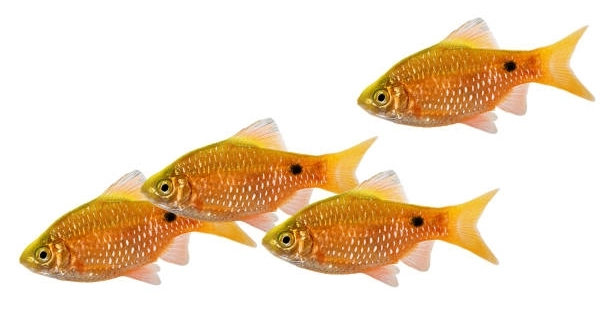
Rosy barbs are lively, schooling fish known for their constant movement and playful energy. They thrive in groups of five or more and feel most secure when surrounded by their kind. This active nature often leads them to chase each other in harmless ways, which is normal behavior for the species. However, if kept alone or in too-small groups, they can become nippy or stressed, redirecting that energy toward slower or shyer fish. While not considered aggressive, their bold behavior can make more timid tank mates uncomfortable, especially in smaller tanks. Providing plenty of swimming space helps spread out activity and reduce stress. Rosy barbs also appreciate cooler, well-oxygenated water with moderate current, which matches the needs of some peaceful fish species. But their fast swimming and pecking tendencies mean they’re not ideal for every tankmate. Careful observation during initial introduction is always recommended.
Rosy barbs are social and energetic fish, often best suited to other mid-level swimmers with a similar temperament and size.
If you’re considering housing them with calmer species, aim for a large tank with separate zones. Use driftwood, plants, and rocks to create clear hiding areas. This will give shy fish the chance to retreat and feel secure. Avoid mixing them with fish that have long fins, like angelfish or bettas, since Rosy barbs might nip at them. Small, nervous species like celestial pearl danios or ember tetras can also feel overwhelmed by the barbs’ fast movements. Stick with peaceful but confident fish such as zebra danios, platies, or even larger tetras. Consistent water conditions, visual barriers, and balanced feeding will help reduce tension. Watching how all fish behave during the first few days will let you know whether the group is compatible or if changes are needed.
Tank Setup Tips for Compatibility
A spacious tank with clear separation helps calm timid fish and gives barbs room to swim without disturbing others. Avoid overcrowding.
Choose a tank size of at least 30 gallons when mixing Rosy barbs with shy fish. This gives everyone enough room to establish their own space. Use live plants to form natural hiding areas, especially along the sides and back. Floating plants can also reduce light and offer extra cover. Place decorations like driftwood or rock caves where shy species can escape visual contact with the barbs. Keep the water temperature between 72–78°F and maintain a gentle to moderate flow. Feed your fish in different areas to limit competition and ensure everyone eats well. Watching the barbs’ behavior closely in the first week is key. If you see signs of nipping, hiding, or refusal to eat, be ready to make changes. With good planning, it’s possible to create a peaceful tank where Rosy barbs and shy fish live in balance.
Signs Your Shy Fish May Be Stressed
Shy fish often show stress by hiding more than usual, refusing food, or darting away when approached. These signs may appear shortly after adding active tankmates like Rosy barbs, especially if the space feels too open or crowded.
You might notice your shy fish staying near the bottom or tucked behind decorations all day. They may stop exploring, swim less, or only come out when the lights are off. If they’re being chased or crowded during feeding time, they might skip meals, leading to weight loss or illness. Color changes, torn fins, or labored breathing can also signal stress. Rosy barbs, while not always aggressive, can still overwhelm these quieter fish simply with their energy. Paying attention to changes in behavior during the first week will help you spot any problems early and make adjustments to tank layout, group size, or tank mates before things worsen.
If stress continues, your shy fish may become more prone to illness. A weakened immune system can make them vulnerable to fungal or bacterial infections. Watch for white spots, faded colors, or sluggish movement. If a fish isolates itself or hides constantly, it might not be getting enough food or rest. Over time, this stress can shorten their lifespan. Try increasing the number of hiding places, lowering the lighting, or adjusting how you feed the tank. In some cases, moving either the barbs or the shy fish to a different setup may be the only way to prevent long-term issues. It’s better to act early than risk losing your more delicate fish due to ongoing environmental stress. Balance, space, and regular observation are key in making sure every species feels safe and comfortable in the shared tank.
Good Tank Mates for Rosy Barbs
Fast-moving fish like zebra danios and cherry barbs are good options. They can match the energy of Rosy barbs and are less likely to get stressed or bullied in a shared tank.
Some species of larger tetras, such as black skirts or lemon tetras, also do well. They are peaceful but confident enough to hold their own.
When Rosy Barbs Should Be Kept Alone
If your tank is small, under 20 gallons, or heavily stocked with shy species, it’s better to keep Rosy barbs in a species-only tank. This setup allows you to meet their social and activity needs without risking the comfort of other fish. A group of six or more Rosy barbs kept alone will thrive and show their natural behavior more clearly. You’ll also avoid issues like fin nipping or territorial stress that can arise when space and compatibility are limited. With enough room, they’ll stay active, colorful, and peaceful.
Final Considerations Before Mixing Species
Always research each species’ behavior, size, and tank needs before mixing. A peaceful tank depends on thoughtful planning and careful observation.
FAQ
Can Rosy Barbs and Shy Fish Live Together Peacefully?
Yes, Rosy barbs can coexist with shy fish, but it depends on tank size, decoration, and species temperament. Rosy barbs are active swimmers who may unintentionally stress shy fish if the tank is too small or lacks hiding spaces. Providing plenty of plants, rocks, and places for shy fish to retreat helps reduce stress and promotes peaceful coexistence. Matching Rosy barbs with calm yet confident tank mates also improves harmony. Regular observation during the first few weeks helps spot issues early.
What Tank Size Is Ideal for Mixing Rosy Barbs with Shy Fish?
A minimum of 30 gallons is recommended. Larger tanks offer space for active Rosy barbs to swim freely without constantly disturbing more reserved species. Ample room means shy fish can find quiet spots to avoid excessive interaction. A bigger tank also allows better water quality management and placement of multiple hiding places, which are crucial for shy fish comfort. Overcrowding leads to stress, so it’s important to avoid cramming too many fish together.
How Many Rosy Barbs Should Be Kept Together?
Rosy barbs are schooling fish and should be kept in groups of at least five to six. When kept in smaller numbers, they may become aggressive or stressed. A proper group size encourages natural behavior, reduces fin-nipping, and lowers stress levels. Keeping them alone or in pairs often results in boredom and unwanted aggression toward tank mates. For best results, maintain a larger school to promote peaceful activity.
Are There Specific Fish Species That Should Never Be Kept with Rosy Barbs?
Avoid slow-moving or long-finned fish such as bettas, angelfish, or fancy guppies. Rosy barbs’ fast swimming and occasional nipping behavior can damage delicate fins and stress these species. Also, very small or timid fish like neon tetras or celestial pearl danios may become overwhelmed. It’s best to select tank mates with similar activity levels and sizes for a balanced community.
What Are the Signs That Rosy Barbs Are Stressing Other Fish?
Look for excessive hiding, loss of appetite, torn fins, or faded colors in shy fish. If your peaceful species spends most of the time out of sight or avoids feeding, it may be overwhelmed. Frequent chasing or fin nipping by Rosy barbs is also a clear warning. Regularly monitoring fish behavior allows you to intervene early and adjust tank setup or species choices.
How Can I Reduce Aggression or Stress in a Mixed Tank?
Provide plenty of plants, rocks, and caves to create separate territories and hiding spots. Keep the tank well-filtered and avoid overcrowding. Feeding in multiple areas reduces competition. Maintain stable water parameters within recommended ranges for all species. Consider increasing the number of Rosy barbs to diffuse aggression within their group. If problems persist, rehoming one species may be necessary.
What Water Conditions Are Best for Rosy Barbs and Shy Fish Together?
Maintain temperature between 72°F and 78°F, pH around 6.5 to 7.5, and moderate water hardness. Rosy barbs prefer well-oxygenated water with some current, which suits many peaceful fish species. Regular water changes and good filtration help prevent stress and disease. Consistency in water conditions is crucial, as fluctuations can upset shy fish.
Is Feeding Different Species Together Difficult?
It can be challenging. Rosy barbs tend to be fast eaters and may outcompete shy fish during feeding. Use sinking pellets or feed in separate areas to ensure shy fish get enough food. Observing feeding time helps prevent underfeeding or overfeeding. Varied diet including flakes, pellets, and occasional live or frozen foods keeps all fish healthy.
Can Rosy Barbs Hurt Shy Fish Physically?
While Rosy barbs are not aggressive predators, their nipping behavior can damage the fins of slow or long-finned fish. Shy fish may also suffer from stress injuries if chased frequently. Physical harm is more likely in crowded tanks or when barbs are kept in too-small groups. Proper tank size, group size, and careful species selection reduce this risk.
How Long Does It Take for Different Species to Adjust?
Adjustment periods vary, usually from a few days to a few weeks. Shy fish may take longer to feel comfortable around active Rosy barbs. During this time, watch for stress signs and be ready to modify tank conditions. Patience is important, but intervention is necessary if stress or aggression continues. A gradual introduction of new fish often helps.
Is It Better to Add Shy Fish or Rosy Barbs First?
Adding shy fish first allows them to establish territories and feel secure. Introducing Rosy barbs afterward can reduce stress caused by sudden active newcomers. However, adding all fish at the same time in a well-planned tank can also work if plenty of hiding spaces are provided. Avoid sudden changes or overcrowding.
What Should I Do If My Shy Fish Are Not Eating?
Try feeding in quiet areas or lowering the lighting to reduce stress. Offer small, frequent meals and consider live or frozen foods to encourage feeding. If stress persists, increase hiding places or separate the shy fish temporarily. Illness or poor water quality could also affect appetite, so check these factors carefully.
Are There Alternatives to Rosy Barbs for a Peaceful Community Tank?
Yes, species like platies, swordtails, or some peaceful tetras can offer color and activity without the nipping tendency. These fish generally coexist well with shy species, but tank size and decoration remain important. Researching specific temperaments and care needs before adding new fish helps avoid future problems.
Rosy barbs are lively fish that bring color and movement to an aquarium. They can live with shy fish, but success depends on several factors like tank size, decoration, and species choice. Because Rosy barbs are fast swimmers and sometimes nip at fins, they may unintentionally stress more timid fish. Providing enough space and hiding spots is essential to help shy fish feel safe. When these conditions are met, it is possible to maintain a peaceful tank where both types of fish coexist comfortably.
Choosing the right tank mates is just as important as setting up the tank. Rosy barbs do best with other active fish that can keep up with their energy level. Calm but confident fish with similar size and behavior usually make good companions. On the other hand, slow or long-finned fish are not good matches because they may get nipped or stressed. Observing fish behavior during the first days is key to noticing any signs of stress early and making necessary adjustments.
In summary, mixing Rosy barbs and shy fish requires careful planning and ongoing attention. It is important to avoid overcrowding, maintain good water quality, and provide plenty of plants and decorations to create natural hiding places. Feeding should be managed to ensure all fish get enough food. While not all shy fish will do well with Rosy barbs, thoughtful choices can create a harmonious aquarium. Keeping a close eye on fish interactions will help ensure a balanced and healthy environment for all your aquatic pets.

Hello,
If you enjoy the content that we create, please consider saying a "Thank You!" by leaving a tip.
Every little bit helps us continue crafting quality advice that supports the health, happiness, and well-being of pets around the world, for pets of all shapes, sizes, and species.
We really appreciate the kindness and support that you show us!