
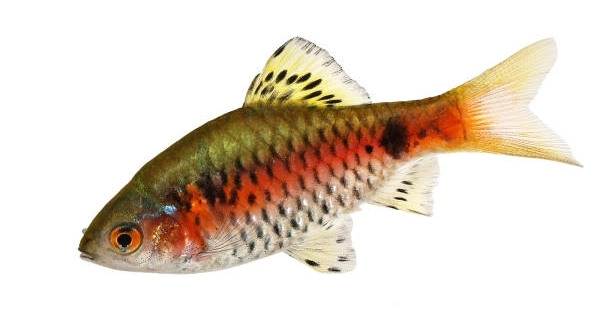
Rosy barbs are lively freshwater fish that often display territorial behavior. Their natural instincts sometimes lead to fights when space or resources feel limited. Managing these conflicts is important for a peaceful aquarium environment.
Preventing territorial fights among rosy barbs involves providing ample space, hiding spots, and proper group sizes. Consistent feeding schedules and balanced tank conditions reduce stress, minimizing aggressive encounters and promoting harmonious coexistence within the aquarium.
Understanding these strategies will help you maintain a calmer tank and enjoy watching your rosy barbs thrive together. The following tips offer practical ways to support a peaceful aquatic community.
Provide Enough Space for Your Rosy Barbs
Rosy barbs need plenty of room to swim and establish their territories without constant conflict. A crowded tank often leads to stress and aggression. Ideally, keep them in a tank that is at least 30 gallons or larger, especially if you have a group. The more space they have, the less likely they are to feel threatened by one another. When space is limited, barbs tend to compete for the same spots, which triggers fights. Larger tanks allow them to spread out and find their own areas. This reduces tension and keeps their behavior more natural and calm. Additionally, a spacious tank offers better water quality since waste is dispersed more evenly. This supports the fish’s health and lowers stress-related aggression. If you want to keep multiple rosy barbs, remember that providing enough swimming space is one of the most important factors to avoid fights.
Keeping an appropriately sized tank is essential to prevent territorial disputes among rosy barbs.
Creating enough room reduces stress and supports peaceful interactions between your fish.
Add Hiding Spots and Decorations
Hiding spots help reduce fights by giving rosy barbs places to retreat when they feel threatened. Plants, rocks, and decorations create natural barriers and break up the line of sight, which lowers aggressive behavior. Without hiding places, dominant fish might constantly chase others, causing injury or stress. When there are enough places to hide, shy or weaker fish can rest and recover safely. Live plants also improve water quality and oxygen levels, further helping to keep your fish healthy. However, it’s important not to overcrowd the tank with decorations. Balance is key—too many hiding spots can reduce swimming space and cause new stress. Use medium-sized decorations placed strategically around the tank to create a peaceful layout. This way, each fish can find its own space and feel secure without feeling trapped.
Providing hiding spots supports a calmer and safer environment for rosy barbs.
Maintain Proper Group Sizes
Keeping rosy barbs in groups of six or more helps reduce territorial fights. Smaller groups tend to show more aggression as fish compete for dominance. Larger groups spread out aggression and create a social balance where no single fish is overly targeted.
A larger group encourages natural schooling behavior, which calms the fish. When there are fewer barbs, the dominant individuals may become aggressive to establish control. This can cause injury or stress to weaker fish. Grouping six or more rosies dilutes this effect and makes it harder for one fish to bully others consistently. The social interaction also keeps the fish mentally stimulated, reducing boredom and aggression. When you choose to keep rosy barbs, always plan for a group size that promotes peaceful coexistence.
Keeping the right number of fish in your tank is a simple but effective way to limit fighting.
Feed Regularly with Balanced Diet
Regular feeding reduces competition and aggression among rosy barbs. When fish are hungry, they are more likely to fight over food and territory. A balanced diet keeps them healthy and less stressed.
Feeding your rosy barbs at the same times each day creates a predictable routine they can rely on. Skipping meals or feeding irregularly may increase stress and trigger fights during feeding time. Use high-quality flakes or pellets designed for tropical fish, supplemented with occasional live or frozen foods like bloodworms or brine shrimp. Variety helps maintain their health and bright colors. Avoid overfeeding, as excess food can pollute the tank and lead to water quality problems that increase stress and aggression. A clean, nutrient-rich diet keeps your fish calm and less prone to territorial disputes.
Keep Water Conditions Stable
Stable water conditions help reduce stress and aggression in rosy barbs. Sudden changes in temperature, pH, or hardness can trigger fights as fish become unsettled.
Regular testing and water changes keep the environment balanced. Maintaining temperatures around 74-78°F and a pH near 7.0 supports their health and calm behavior.
Rearrange Tank Decorations Occasionally
Changing the layout of decorations breaks up established territories. This can reduce aggressive behavior by resetting dominance patterns among rosy barbs.
Regular rearranging prevents fish from becoming too attached to specific areas, encouraging exploration and reducing conflict over fixed spaces.
Avoid Introducing New Fish Suddenly
Adding new fish too quickly can increase territorial disputes. Rosy barbs need time to adjust and accept newcomers peacefully.
Introducing new fish slowly and monitoring interactions helps keep aggression low and maintains harmony within the tank.
FAQ
Why do rosy barbs fight over territory?
Rosy barbs are naturally territorial fish. They establish areas they claim as their own to feel safe and secure. When space or resources like food and hiding spots are limited, they may become aggressive to defend their territory. This behavior is common in many fish species and helps them maintain social order in the tank.
How can I tell if my rosy barbs are fighting?
Signs of fighting include chasing, nipping fins, and chasing fish out of certain areas. You may notice torn fins or stressed behavior such as hiding or rapid swimming. These behaviors usually indicate territorial disputes or dominance struggles within the group.
Is it normal for rosy barbs to show some aggression?
Yes, a small amount of aggression is normal and part of their natural behavior. However, frequent or severe fights can cause injury and stress, which should be controlled by managing tank conditions and social settings.
Can overcrowding cause territorial fights?
Overcrowding is a major factor that increases aggression. When too many fish are kept in a small space, competition for territory and resources intensifies, leading to fights. Ensuring enough space and proper group sizes helps prevent this issue.
What is the ideal tank size for rosy barbs to reduce fighting?
A minimum tank size of 30 gallons is recommended for a group of six or more rosy barbs. Larger tanks allow more swimming space and territory, helping reduce conflicts. More space means fish can spread out and avoid constant encounters.
How do hiding spots help reduce fights?
Hiding spots provide safe areas for shy or stressed fish to retreat. When fish have places to hide, they feel more secure and less likely to engage in fights. Plants, rocks, and decorations create natural boundaries and reduce direct confrontations.
Should I separate aggressive rosy barbs?
If a particular fish is overly aggressive and injuring others, separating it temporarily can prevent harm. Observe whether the aggression decreases over time before reintroducing the fish. Sometimes, aggression is due to stress or illness, so check water conditions as well.
Does feeding affect territorial behavior?
Yes, irregular feeding or hunger can increase aggression. Feeding your fish regularly and with a balanced diet reduces competition for food and lowers stress. Overfeeding should be avoided to maintain water quality.
Can changing the tank layout help with fights?
Rearranging decorations disrupts established territories and can lower aggression. Fish need time to reestablish their boundaries, which often reduces dominance struggles. This simple change can encourage exploration and calm behavior.
How should I introduce new fish to avoid fights?
Introduce new fish slowly and carefully. Quarantine new arrivals to avoid disease and gradually acclimate them to the tank environment. Adding new fish in groups rather than alone can reduce aggression from established residents.
What water conditions support peaceful behavior?
Stable water conditions with temperatures between 74-78°F and a pH around 7.0 are ideal. Sudden changes in water chemistry can stress fish and increase fighting. Regular testing and water changes help maintain balance and keep the fish calm.
Can certain tank mates reduce rosy barb aggression?
Choosing compatible tank mates that are similar in size and temperament can help create a balanced community. Avoid very small or slow-moving fish that might be targets of aggression. Peaceful, active fish encourage healthy social interaction.
Is it helpful to keep only male or female rosy barbs?
Keeping only one gender might reduce breeding-related aggression but doesn’t eliminate territorial disputes. Mixed groups often have more balanced social structures, but monitoring behavior is important regardless of gender makeup.
How long does it take for rosy barbs to settle into a new tank?
It usually takes a few days to a couple of weeks for rosy barbs to establish territories and social order. During this time, some aggression is expected. Providing space, hiding spots, and stable conditions helps speed up the process.
What should I do if fights cause injury?
Remove injured fish and provide them with a stress-free recovery area. Treat wounds if needed and check water quality to prevent infections. If fights continue, adjust tank conditions, group size, or consider separating aggressive individuals.
This FAQ covers many common concerns about rosy barb territorial fights, helping you maintain a peaceful aquarium environment.
Keeping rosy barbs happy and peaceful in your aquarium takes some attention and care. These fish have natural instincts that sometimes lead to territorial fights, but with the right setup, you can reduce these conflicts significantly. Providing enough space for your fish to swim and claim their own areas is one of the most important steps. A tank that is too small or overcrowded will increase stress and competition, which often results in aggression. By choosing a tank size that fits the number of rosy barbs you have, you help create a calmer environment where they can thrive.
Another key factor is creating a balanced and comfortable home for your rosy barbs. Adding hiding spots like plants, rocks, and decorations gives the fish safe places to rest and hide when they feel threatened. These spots break up the tank and stop dominant fish from always chasing others out of certain areas. It also helps reduce tension and allows shy or weaker fish to feel secure. Keeping the water conditions stable is just as important. Sudden changes in temperature or water chemistry can cause stress, which often leads to fights. Regular water testing and maintenance keep the environment healthy and peaceful for your fish.
Finally, paying attention to social dynamics and daily care routines can make a big difference. Keeping rosy barbs in groups of six or more encourages natural schooling behavior and lowers aggression. Feeding them regularly with a balanced diet prevents competition and stress during mealtime. Sometimes small changes like rearranging tank decorations or introducing new fish slowly can help reset territorial boundaries and reduce aggression. These simple actions support a friendly atmosphere in your tank and let you enjoy watching your rosy barbs swim calmly together. With patience and the right care, your aquarium can be a peaceful place for all your fish.

Hello,
If you enjoy the content that we create, please consider saying a "Thank You!" by leaving a tip.
Every little bit helps us continue crafting quality advice that supports the health, happiness, and well-being of pets around the world, for pets of all shapes, sizes, and species.
We really appreciate the kindness and support that you show us!