
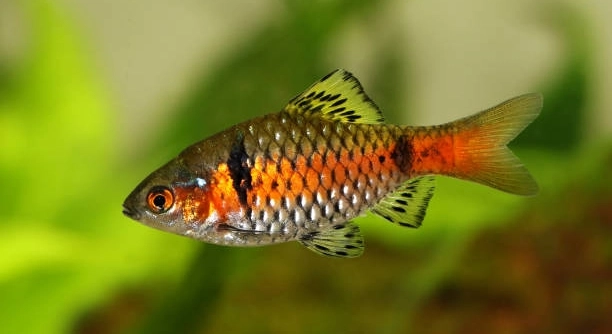
Are your rosy barbs acting differently after a few changes to their tank setup or routine? Even small adjustments can cause stress or disrupt their daily behavior, making them seem less active or off-balance.
Tank changes such as water flow alterations, sudden lighting shifts, and temperature fluctuations can significantly impact rosy barb behavior. These disruptions interfere with their natural rhythm, potentially leading to stress, decreased appetite, erratic swimming, and lowered immune response.
Understanding how each of these changes affects your fish will help you create a more stable and healthy environment for them.
Sudden Temperature Fluctuations
When the water temperature in your tank changes too quickly, rosy barbs often react by hiding, swimming erratically, or refusing food. These fish prefer a stable temperature between 72°F and 82°F, and any rapid drop or spike can cause stress. Sudden fluctuations can happen if the heater malfunctions, if the tank is placed near a drafty window, or during large water changes with mismatched temperatures. Even a few degrees of change within a short time can affect their immune system and behavior. To prevent this, always use a reliable heater and thermometer, and match new water temperature closely during water changes. Try to monitor temperature trends throughout the day if your tank is in a room with large temperature swings. Rosy barbs are quite hardy, but they still need consistency to thrive.
Consistent temperature helps rosy barbs regulate their metabolism and maintain healthy swimming and eating habits. Avoiding sharp changes is essential.
If your rosy barbs appear sluggish or are staying near the bottom of the tank, the temperature might have shifted too quickly. Sudden changes can weaken their immunity, making them vulnerable to illness. If this occurs often, check your heater and thermometer for accuracy and consider moving the tank away from windows or vents.
Overpowering Water Flow
A strong filter can create currents that overwhelm your rosy barbs, making it hard for them to swim or rest properly.
Rosy barbs are active swimmers, but too much water movement can tire them out. If your filter produces a heavy current, it may disturb their swimming patterns and even push them into corners of the tank. Young or weaker barbs will struggle more and can become stressed or injured. Look for signs like constant swimming against the current, hiding behind decorations, or staying low in the tank. To fix this, reduce the filter’s output by using a sponge pre-filter or redirecting the flow. You can also create calmer areas in the tank using plants or rocks as buffers. Observing how your rosy barbs move around the tank will help you decide if adjustments are needed. Balance is key—while clean water is important, comfort and stability in their swimming environment matter just as much.
Inconsistent Lighting Schedule
Changing the lighting schedule too often can confuse rosy barbs and disrupt their sense of routine. Sudden shifts in light duration or intensity may cause stress, leading to restlessness, hiding, or reduced activity during normal daylight hours.
Rosy barbs rely on a regular day-night cycle to stay balanced. Too much light can make them overactive or aggressive, while too little can dull their colors and lower their activity levels. If you’re adjusting your lighting for plant growth or algae control, try to do it gradually. A timer helps maintain a steady light schedule, usually 8–10 hours per day. Sudden light-on or light-off moments can startle them, especially in a dark room. If you notice your barbs darting around when the lights turn on, consider switching to a gradual light ramp or adding ambient room lighting before aquarium lights. A predictable lighting routine helps reduce unnecessary stress and improves overall tank harmony.
Keeping their light schedule steady gives rosy barbs time to rest and recharge. A consistent rhythm supports their natural behaviors, including feeding and schooling. Disrupting that balance can trigger changes in mood and health, which may take time to reverse. When in doubt, simplicity and regularity are always best for lighting setups.
Rearranged Tank Decor
Shifting plants, rocks, or decorations too often can make rosy barbs feel unsettled or insecure in their space. These changes erase the familiar layout they rely on for shelter, territory, and swimming paths.
Rosy barbs adapt well to moderate changes, but too many adjustments at once can overwhelm them. Rearranging everything—especially all at once—may cause them to lose their hiding spots or feel cornered by tankmates. It also disrupts the visual boundaries that help reduce aggression in a community setup. If you need to move things, do it in small steps and give them time to adjust between changes. Watch how they react after each update—if they become more restless or stop swimming freely, consider returning some of the original decor. Leaving some familiar elements in place helps them stay grounded, even when adding new items. A stable, semi-predictable layout helps promote calm, confident behavior in the tank.
Change in Tank Mates
Adding new fish can stress rosy barbs, especially if the newcomers are aggressive or overly active. Sudden social shifts may lead to chasing, hiding, or refusal to eat. Watch closely after introducing any new tank mates.
Removing a long-time tank mate can also affect their behavior. Rosy barbs form social bonds and notice when group members are missing. This can make them more skittish or cause changes in how they interact with others in the tank.
Sudden Diet Changes
Altering their diet too quickly can confuse their digestive system and cause them to reject food. If you’re switching brands or food types, do it gradually by mixing the new food with their regular one. Sudden changes may lead to bloating, constipation, or lack of interest in eating. Rosy barbs usually thrive on a balanced variety of flakes, pellets, and the occasional live or frozen treat. Keeping their diet steady supports both their health and coloring. Avoid overfeeding during transitions and observe how they respond to any new food item introduced. Their routine matters even when it comes to meals.
Skipped Water Changes
Skipping water changes causes waste to build up, which can irritate your rosy barbs and weaken their immune system. Poor water quality leads to stress, dull colors, and sluggish behavior.
FAQ
How often should I check water temperature for rosy barbs?
Check the temperature daily to ensure it stays consistent. Rosy barbs need stable conditions between 72°F and 82°F. Fluctuations can stress them out or cause health issues. Use a reliable digital thermometer and always check the temperature before and after water changes.
What signs show that my rosy barb is stressed?
Watch for signs like hiding, faded colors, darting around the tank, loss of appetite, or clamped fins. These behaviors often indicate discomfort due to changes in their environment. Addressing water quality, lighting, or temperature quickly can help ease their stress.
Can I add live plants after setting up the tank?
Yes, but try not to rearrange too much at once. Adding a few live plants can benefit rosy barbs by offering hiding spots and improving water quality. Just avoid disturbing their established layout too often to keep them comfortable.
How do I reduce a strong filter flow?
You can attach a sponge pre-filter to the output or redirect the flow toward a wall or decoration. Some filters have adjustable flow settings—if yours does, use the lowest setting that still maintains good filtration. This helps keep your rosy barbs from being pushed around.
What happens if I skip water changes for a few weeks?
Skipping water changes allows ammonia and nitrites to build up, which can stress or even harm your rosy barbs. Even if the tank looks clean, toxins still accumulate. Aim for weekly or biweekly water changes of about 25–30% to maintain a safe environment.
Can I change their food suddenly if they stop eating?
No, changing food suddenly can upset their stomachs. If they stop eating, test the water first—poor conditions often affect appetite. If water is fine, try soaking their current food in garlic juice or adding variety slowly with small amounts of new food.
Do rosy barbs need a day-night cycle?
Yes, they rely on a clear light schedule. Keep lights on for 8–10 hours daily and turn them off at night. Using a timer helps maintain consistency. Avoid leaving the light on all night—it can disturb their resting patterns and cause stress.
Can rosy barbs live alone?
No, they are schooling fish and feel safer in groups. Keeping fewer than five can make them anxious or aggressive. A group of six or more allows them to interact normally and reduces stress. Always ensure enough space for them to swim comfortably.
Should I quarantine new fish before adding them?
Yes, always quarantine new fish for at least two weeks. This helps prevent the spread of illness or parasites to your existing fish. Watch for any unusual behavior or visible signs of disease before introducing them to your main tank.
Is it okay to move decorations during cleaning?
You can move a few items if needed, but try to leave most of the layout intact. Rosy barbs get used to their surroundings and sudden changes in their decor can make them anxious. Clean around decorations rather than pulling everything out at once.
Why are my rosy barbs chasing each other suddenly?
Chasing can be a sign of dominance, breeding behavior, or stress. If it’s constant and aggressive, check for overcrowding or poor water quality. Adding more hiding spots and breaking line of sight can help reduce tension in the tank.
How can I tell if my filter is too strong?
If your rosy barbs constantly swim against the current, avoid open areas, or rest more than usual, the flow may be too strong. Try adjusting it and see how they respond over a few days. A gentle flow is ideal for balanced swimming behavior.
Can changes in room light affect my fish?
Yes, sudden light from windows or lamps can startle rosy barbs. Keep the tank away from direct sunlight to avoid sudden brightness and temperature changes. Use consistent aquarium lighting for better control over their environment.
How long does it take rosy barbs to adjust to tank changes?
It depends on the type of change. Minor adjustments like lighting or food can take a few days, while bigger changes like tank mates or layout may take a week or two. Watch their behavior closely and give them time to adapt without more disruption.
Final Thoughts
Keeping rosy barbs happy and healthy means paying attention to the small things in their environment. Even simple changes, like shifting decorations or adjusting the lighting schedule, can have a big effect on their behavior. Rosy barbs rely on routine, and when that routine is interrupted, they may react with stress or confusion. Watching for early signs like hiding, lack of appetite, or sudden aggression can help you catch problems before they get worse. A stable tank setup, consistent care, and gentle handling of any adjustments will go a long way in keeping your rosy barbs active and calm.
Maintaining water quality, stable temperature, and a balanced diet should always be your top priorities. These basic needs create a strong foundation that helps your fish handle small changes more easily. If you ever need to make adjustments—whether it’s changing food, adding tank mates, or cleaning decorations—try to do so slowly and with care. Always observe how your rosy barbs respond to these changes. If their behavior shifts suddenly, it may be a sign that something needs to be fixed. Regular checks on temperature, filter flow, and lighting can help you catch issues early and prevent unnecessary stress.
Rosy barbs are active, social fish that do well when their environment is stable and predictable. Taking the time to understand how each change affects them can improve their overall well-being. This doesn’t mean avoiding all updates to your tank—it just means planning them carefully and giving your fish time to adjust. Whether it’s a new filter, food, or even a new tank mate, your rosy barbs will adapt better if changes happen gradually. Staying consistent in their care routine builds trust and comfort, which leads to healthier, more vibrant fish. With a bit of patience and attention, you can create a peaceful tank that allows your rosy barbs to thrive.

Hello,
If you enjoy the content that we create, please consider saying a "Thank You!" by leaving a tip.
Every little bit helps us continue crafting quality advice that supports the health, happiness, and well-being of pets around the world, for pets of all shapes, sizes, and species.
We really appreciate the kindness and support that you show us!