
Have you ever brought home a rosy barb and wondered if it’s really starting to feel comfortable in its new tank?
A rosy barb shows signs of settling in through consistent swimming patterns, increased appetite, reduced hiding, and more interaction with tank mates. These behaviors usually appear once the fish adjusts to its surroundings and routine.
Noticing these subtle shifts can help you feel more confident about your fish’s well-being and ensure the environment supports healthy, stress-free behavior.
They Start Swimming Around with Confidence
Once your rosy barb gets comfortable, you’ll see it swimming more confidently around the tank. At first, it might stick to the corners or hide behind decorations, especially if the environment is new or there’s too much activity around. But over time, a settled rosy barb becomes more curious. It will explore different areas of the tank and show smooth, relaxed movements. Quick darting or frantic swimming can be a sign of stress, so even, steady motion is a good thing. You may also notice it gliding through plants, weaving around tank ornaments, or calmly following other fish. These actions are all signs your fish is feeling safe. A stable routine and clean water help support this behavior, so regular maintenance is important. The more time your rosy barb spends swimming out in the open, the more likely it’s adapting well to its new space and feeling secure.
Some rosy barbs may still pause occasionally, but steady swimming shows they’re adjusting.
Rosy barbs are social fish, and swimming patterns often shift once they recognize their tank mates. A relaxed swimming style also means the tank conditions are supporting their comfort. You won’t need to guess — their movement tells you a lot.
They Eat Without Hesitation
If your rosy barb rushes to eat when food is added, it’s a good sign. Fish that are stressed or unsure about their surroundings often ignore food or eat very slowly.
A settled rosy barb will usually swim up to the surface or wherever the food is placed and start eating with little delay. They may even show excitement when you approach the tank, knowing food is coming. This kind of response usually begins once the fish recognizes feeding patterns and feels safe in the space. Consistent eating habits are also important for overall health, so watching how your rosy barb responds to meals can be very telling. If it eats regularly and finishes most of what you give, that’s a clear sign of comfort. Uneaten food, on the other hand, can affect water quality, so feeding the right amount helps both the fish and the tank. A healthy appetite means your fish is on track.
Their Colors Look Brighter
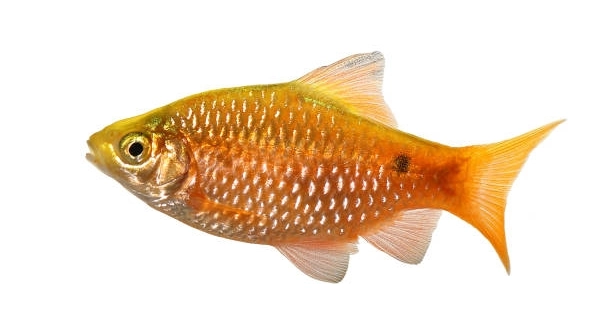
A rosy barb that feels comfortable will often show brighter, more vibrant colors. This is especially noticeable in males, whose reddish tones become deeper and more defined when the fish is healthy and stress-free in its environment.
Color changes happen naturally when a rosy barb is content and receiving proper care. Clean water, steady temperature, and a good diet all play a role. A pale or dull-looking fish may be feeling stressed or sick. Once they start adjusting, their body color shifts — fins become more noticeable, and the overall hue becomes clearer. Lighting in the tank also brings out their best features, but it’s their comfort level that triggers these improvements. If your rosy barb is swimming freely and glowing with healthy color, it’s a strong sign it’s settling in well and responding to the conditions around it in a positive way.
Color can also shift with mood, so it’s a helpful way to see how your fish is feeling. If the fish starts to fade again, it may mean something in the tank has changed — such as water quality or stress from another fish. But when the environment stays stable, your rosy barb’s colors will stay strong and rich.
They Stop Hiding All the Time
Rosy barbs may hide at first, especially when introduced to a new tank. But once they begin to feel comfortable, they will spend less time tucked away and more time in open areas, swimming around freely.
Frequent hiding often means your fish isn’t feeling secure yet. But after a few days or weeks, as they get used to the surroundings, they’ll start coming out more often. You might still see them duck into plants or ornaments from time to time, especially if they feel startled, but it won’t be constant. If your rosy barb spends most of the day in hiding, it could be reacting to bright lighting, loud sounds, or a lack of cover. Adding plants or soft decorations can give them options for shelter without encouraging full-time hiding. Watching your fish become more visible is a strong indicator they’re adapting to their tank and starting to feel safe.
They Start Interacting with Tank Mates
Rosy barbs are social fish and enjoy the company of others. When they begin to feel at ease, you’ll notice them swimming near or alongside other barbs instead of keeping to themselves.
Chasing and light nudging can happen, but as long as it isn’t aggressive, it’s normal behavior.
They Follow a Daily Routine
Once settled, rosy barbs develop a clear routine. They’ll start swimming more actively at certain times, respond to feeding schedules, and rest calmly during low-light periods. This consistency means they feel safe in their surroundings. Sudden changes in this pattern can suggest discomfort or a problem in the tank.
They React When You Approach
If your rosy barb swims toward the glass or becomes more active when you walk up to the tank, it’s a sign of comfort. Fish that feel secure recognize their surroundings, including people who feed or care for them.
FAQ
How long does it usually take for a rosy barb to settle in?
It usually takes about one to two weeks for a rosy barb to fully settle into a new tank. During this time, the fish is adjusting to its surroundings, water conditions, and any new tank mates. Some may settle faster, especially if the tank setup is stable, quiet, and well-maintained. Others might take a bit longer if they are alone, introduced too quickly, or dealing with stress from transport. Keep an eye on their behavior during this period—steady swimming, eating, and brighter colors are all signs they’re feeling more comfortable.
Why is my rosy barb still hiding after a week?
Some rosy barbs take longer than others to feel secure. If your fish is still hiding after a week, the tank might feel too open or too bright. Adding more plants or decorations can help. Also, check the water quality, temperature, and activity around the tank. Loud sounds or frequent movement near the tank can make fish nervous. If your barb is alone, consider adding a few more to create a small group. Rosy barbs are schooling fish, and they usually feel safer when they’re not alone.
Can a rosy barb settle in without other barbs?
Yes, but it’s not ideal. Rosy barbs are social and prefer to live in groups. A single barb can survive alone, but it may become bored, shy, or stressed. When kept in a group of at least five, they show more natural behaviors, feel safer, and are less likely to hide or act out. If you’re only keeping one, make sure the tank has plenty of plants, hiding spots, and enrichment. But adding more of their kind is usually the best way to help them feel settled and content.
What should I feed my rosy barb during the settling-in phase?
Start with simple, high-quality flakes or micro pellets made for tropical fish. Offer a small amount once or twice a day. If they’re not eating right away, don’t worry—some fish skip meals for a day or two while adjusting. Once they begin eating, you can slowly add in treats like blanched vegetables (such as peas or spinach), frozen bloodworms, or brine shrimp. Feeding small portions and removing leftovers helps keep the tank clean and lowers stress. Always watch how your fish reacts during feeding—eagerness to eat is a great sign.
Is it normal for rosy barbs to chase each other?
Yes, mild chasing is common, especially when they’re establishing a pecking order. This is typical schooling behavior and often happens more in males. As long as the chasing isn’t constant or aggressive (like fin-nipping or bullying one fish repeatedly), it’s usually harmless. Giving them enough space and keeping them in a group helps spread out the energy and reduces stress. If you notice signs of injury or one fish is hiding too much, it may be time to rearrange the tank or add more plants for cover.
Can tank conditions affect how fast a rosy barb settles in?
Absolutely. Clean water, proper temperature, and a steady pH all play a big role. Rosy barbs prefer slightly cooler water than some tropical fish—around 72–78°F (22–26°C). Make sure the tank is cycled before adding them, and avoid sudden changes in temperature or lighting. A well-maintained filter, regular water checks, and a stable environment help them feel safe faster. Loud noise, poor lighting, or aggressive tank mates can slow the process down. Stable tank conditions give them the confidence to explore, eat, and interact normally.
Do rosy barbs sleep, and how can I tell?
Yes, they do rest, usually at night or when the lights are off. You may notice them hovering quietly near the bottom of the tank or hiding in plants, with slower gill movement and less swimming. They don’t close their eyes, so it can be hard to tell, but this stillness is part of their natural rest cycle. Avoid turning lights on suddenly or tapping the tank during these times. A regular light schedule helps your fish know when it’s time to rest, which supports their overall well-being.
Final Thoughts
Rosy barbs are active, curious fish that bring a lot of movement and color to a tank. When they feel safe and settled, they show it in simple ways—by swimming more, eating well, and becoming more visible. Their color gets brighter, their behavior becomes more predictable, and they start interacting with their surroundings and other fish. Watching these changes can be both calming and rewarding. It also helps you feel more confident in the care you’re giving. Each fish may take a different amount of time to adjust, but if you’re patient and consistent, the signs will show.
Helping a rosy barb settle in doesn’t require anything complicated. Clean water, a balanced diet, a few hiding spots, and a calm environment go a long way. Most of the time, just keeping things steady is the best way to help. It’s also helpful to remember that they’re social fish. Keeping them in small groups often makes them feel more relaxed and confident. When they’re alone or surrounded by aggressive tank mates, they may act stressed or stay hidden. A peaceful setup with the right tank companions will allow them to feel at home more quickly.
Over time, you’ll start to recognize the small behaviors that tell you your rosy barb is happy and healthy. You’ll notice when they swim to greet you at feeding time, or when they calmly glide through the tank with the rest of their group. These are the things that show you they’re not just surviving—they’re thriving. Staying observant and responsive to their needs will help you maintain a good balance in the tank. In the end, it’s about creating a space where your fish feel comfortable enough to be themselves. Watching them settle in and grow more confident every day is one of the most rewarding parts of keeping rosy barbs.

Hello,
If you enjoy the content that we create, please consider saying a "Thank You!" by leaving a tip.
Every little bit helps us continue crafting quality advice that supports the health, happiness, and well-being of pets around the world, for pets of all shapes, sizes, and species.
We really appreciate the kindness and support that you show us!