
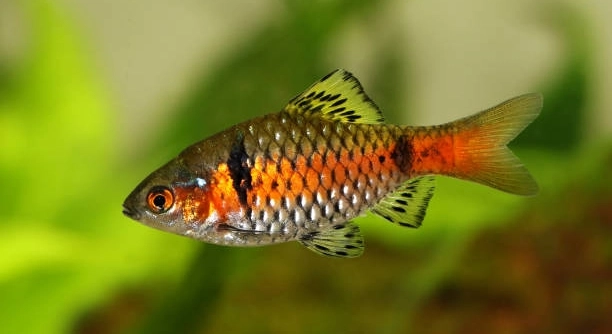
Is your rosy barb swimming alone while the rest of the group stays close together? This behavior can seem unusual and worrying for fish owners who expect their barb to be social. Understanding why it happens is important for their care.
Rosy barbs may avoid the group due to stress, illness, or territorial disputes. Changes in water quality, overcrowding, or sudden environmental shifts often lead to this behavior. Isolating can be a way for the fish to recover or avoid conflict within the tank.
Knowing the reasons behind this behavior helps maintain a healthy tank environment and supports your fish’s wellbeing in the long run.
Common Causes for Rosy Barbs Avoiding the Group
Rosy barbs may isolate themselves due to several reasons. Stress is a major factor, often triggered by poor water quality, sudden temperature changes, or overcrowding. When the tank environment is unstable, barbs tend to hide or swim alone to avoid stressors. Illness can also make them less active and cause them to separate from the group. Parasites or bacterial infections weaken their energy, leading to avoidance behavior. Another reason is territorial disputes. Although rosy barbs are generally peaceful, competition for food or space can lead to brief aggression. A shy or weaker fish might retreat to the tank’s corners or decorations. Sometimes, the fish might simply be adjusting to a new environment or recovering from illness. Paying attention to tank conditions and fish behavior can help identify the cause quickly.
Poor water conditions are often the main reason for social withdrawal in rosy barbs.
Monitoring water parameters regularly ensures a stable and healthy environment for all tank inhabitants.
How to Encourage Your Rosy Barb to Rejoin the Group
Improving the tank environment often encourages shy barbs to rejoin the group.
Start by testing the water for ammonia, nitrites, and nitrates. Keeping these at safe levels is critical. Ensure the tank is not overcrowded and provide plenty of hiding spots with plants or decorations. Gradually stabilize water temperature and avoid sudden changes. Feeding high-quality food and observing your fish daily can catch early signs of illness. If a fish looks sick, isolating it for treatment may be necessary. Creating a calm environment reduces stress and promotes social behavior. Sometimes, rearranging the tank layout can reset territorial boundaries and ease tensions. Patience is important, as shy fish need time to feel safe again. Consistent care and attention often restore harmony among your rosy barbs, helping them return to their natural schooling behavior.
Signs Your Rosy Barb Is Feeling Stressed
Stress in rosy barbs often shows through changes in behavior and appearance. They may hide more, swim erratically, or lose their bright colors. Appetite loss and clamped fins are also common signs of stress. Watching for these signs helps catch problems early.
Stress can come from many sources. Poor water quality, overcrowding, or aggressive tank mates are frequent triggers. Changes in lighting or sudden loud noises nearby can also unsettle the fish. Stress weakens their immune system, making them vulnerable to illness. Regular water tests and observing daily behavior can prevent prolonged stress. Providing a calm, stable environment and hiding spots helps your rosy barb feel secure. If stress signs persist, consider isolating the fish or consulting a vet.
When stressed, rosy barbs often isolate themselves to recover away from threats. This behavior can help them regain strength but also signals the need for immediate tank adjustments.
Adjusting Tank Conditions for Better Social Behavior
Tank conditions strongly influence your rosy barb’s behavior. Maintaining stable water temperature between 64-72°F is crucial. Sudden fluctuations cause discomfort and stress. Filtration must keep water clean without creating strong currents that exhaust the fish. Providing a balanced diet with varied foods supports their health. Space is also important; overcrowded tanks increase aggression and competition. Adding plants and decorations offers shelter, which helps reduce territorial disputes. Observing your barbs during feeding and at rest can reveal if adjustments are needed. Making gradual changes rather than sudden shifts prevents additional stress. Overall, a well-maintained tank creates a comfortable environment that encourages rosy barbs to swim and socialize naturally.
Recognizing Illness in Rosy Barbs
Illness can cause rosy barbs to avoid their group. Signs include lethargy, loss of appetite, and unusual swimming patterns. White spots, frayed fins, or bloating are visible symptoms. Prompt action can prevent worsening.
Early detection is key. Quarantining sick fish and improving water quality helps recovery. Medication may be necessary for infections.
Impact of Tank Mates on Social Behavior
Other fish in the tank influence your rosy barb’s behavior. Aggressive or overly active species can intimidate shy barbs. Compatible tank mates promote peace and social interaction. Observing interactions regularly is essential to maintain harmony.
Feeding Habits and Group Interaction
Feeding time affects social dynamics. Unequal food distribution can cause competition and isolation. Providing small, frequent meals helps reduce stress and encourages group activity.
When to Consult a Veterinarian
If your rosy barb continues avoiding the group despite all care efforts, professional advice is important. A vet can diagnose underlying health issues and recommend treatments.
FAQ
Why is my rosy barb swimming alone?
Your rosy barb might be swimming alone due to stress, illness, or changes in the tank environment. Stressors like poor water quality, sudden temperature shifts, or aggressive tank mates can cause them to isolate. Illness can also make a fish less active and avoid the group. Sometimes, shy behavior or territorial disputes lead to brief isolation as well.
How can I tell if my rosy barb is sick?
Signs of illness include lethargy, loss of appetite, unusual swimming patterns, and visible changes like white spots, torn fins, or bloating. If your fish is hiding more than usual or looks faded, it might be unwell. Observing these symptoms early helps in treating the problem before it worsens.
What water conditions do rosy barbs need?
Rosy barbs thrive in clean, well-filtered water with a temperature between 64-72°F (18-22°C). Ammonia and nitrite levels should be at zero, and nitrates kept low through regular water changes. Stable pH levels between 6.5 and 7.5 are ideal. Sudden changes in water parameters can stress fish and cause behavior changes.
Can tank mates affect my rosy barb’s behavior?
Yes, tank mates play a big role. Aggressive or very active fish can intimidate rosy barbs, causing them to hide or separate. Peaceful, similar-sized species encourage natural schooling behavior. It’s important to choose compatible tank mates and watch for any signs of bullying or stress in your fish.
How often should I feed my rosy barbs?
Feeding small amounts two to three times daily is best. Overfeeding can pollute the tank and cause health issues. A balanced diet of flakes, pellets, and occasional live or frozen foods like brine shrimp supports their health. Unequal food distribution during feeding times may cause competition and social stress.
What should I do if my rosy barb is stressed?
Start by checking water quality and tank conditions. Make sure the tank is not overcrowded and provide plenty of hiding spots with plants or decorations. Avoid sudden changes in lighting or temperature. Reducing noise near the tank and keeping a consistent routine can help. If stress signs continue, consider isolating the fish to let it recover.
Is it normal for rosy barbs to occasionally swim alone?
Occasional solitary swimming is normal, especially when exploring or resting. However, persistent isolation usually indicates a problem such as stress, illness, or social issues. Monitoring behavior over time can help distinguish between normal and concerning patterns.
How can I improve social behavior in my rosy barbs?
Maintain stable water conditions, avoid overcrowding, and provide a balanced diet. Ensure tank mates are compatible and introduce enough plants or decorations for shelter. Gradually adjusting the tank setup can reduce territorial disputes. Patience is important as shy fish may need time to feel secure.
When should I seek veterinary help?
If your rosy barb continues to avoid the group despite good tank conditions and care, or shows signs of illness that do not improve, consult a vet. Persistent lethargy, loss of appetite, or visible symptoms like spots or fin damage require professional diagnosis and treatment.
Can changing the tank layout affect my rosy barb’s behavior?
Yes, rearranging plants and decorations can reset territorial boundaries and reduce aggression. This may encourage shy fish to become more social. Make changes gradually to avoid adding stress. Observing how your fish react helps determine if the new setup works well.
Are rosy barbs sensitive to noise or vibrations?
Rosy barbs can be startled or stressed by loud noises or vibrations near the tank. Keeping the aquarium in a quiet, stable area helps maintain calm behavior. Avoid tapping on the glass or sudden movements that may frighten the fish.
What is the ideal group size for rosy barbs?
Rosy barbs are schooling fish and do best in groups of at least six. Smaller groups can lead to stress and odd behaviors, including isolation. Larger groups promote natural interaction and reduce aggressive tendencies by spreading out social pressure.
How long does it take for a shy rosy barb to adjust?
Adjustment times vary, but most rosy barbs begin to socialize within days to a few weeks. Providing a stable environment and avoiding sudden changes supports quicker adaptation. Continuous monitoring and gentle care are key to helping shy fish settle in.
Can illness spread between rosy barbs?
Yes, many fish diseases are contagious. Early isolation of sick fish is important to protect the group. Maintaining good water quality and a clean tank reduces the risk of outbreaks. Prompt treatment limits the spread of infection and helps all fish stay healthy.
Final Thoughts
Taking care of rosy barbs requires attention to their behavior and environment. When a rosy barb starts avoiding the group, it signals that something might be off in the tank. This change in behavior is often a response to stress, illness, or problems with tank conditions. By observing your fish closely and making adjustments when needed, you can help your rosy barb feel more comfortable and encourage it to rejoin the group. It’s important to remember that fish rely heavily on their surroundings, so even small changes can affect how they act.
Maintaining a clean, stable tank with the right water parameters is key to keeping rosy barbs healthy and social. Regular water testing and partial water changes help remove harmful substances that build up over time. Ensuring the tank is not overcrowded and choosing compatible tank mates also play a big role. Providing hiding places like plants and decorations can reduce stress and give shy fish a safe space to retreat. Feeding a balanced diet in proper amounts supports their health and reduces competition during mealtime. All these steps contribute to a peaceful and active aquarium where rosy barbs feel secure.
Patience is an important part of caring for your rosy barbs. Some fish naturally take longer to adjust or recover from stress or illness. It’s normal for them to isolate themselves occasionally, but persistent avoidance means something needs attention. If you have tried improving the tank conditions and your fish still stays away from the group, seeking advice from a veterinarian or an experienced fish keeper may be necessary. Keeping a close eye on your fish’s behavior, acting quickly when problems arise, and creating a calm environment will help your rosy barbs live happily and thrive together.

Hello,
If you enjoy the content that we create, please consider saying a "Thank You!" by leaving a tip.
Every little bit helps us continue crafting quality advice that supports the health, happiness, and well-being of pets around the world, for pets of all shapes, sizes, and species.
We really appreciate the kindness and support that you show us!