
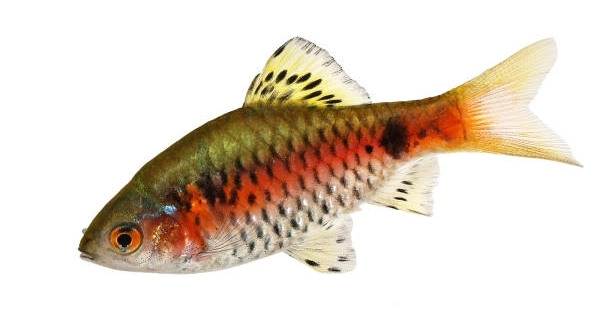
Rosy barbs are lively fish that often dash suddenly, surprising their owners. This quick movement can happen without warning and sometimes puzzles those who keep them in home aquariums. Understanding the reasons behind this behavior is important for proper care.
The sudden dashing of rosy barbs is usually caused by environmental stimuli such as changes in water quality, sudden noises, or the presence of other fish. These factors trigger their natural instinct to flee, reflecting their alert and active nature.
Knowing what influences this behavior helps in creating a calm environment for rosy barbs. This article explains the common causes and how to manage them for a healthier aquarium.
Common Triggers for Sudden Dashing
Rosy barbs often react quickly to changes in their environment. Sudden noises, rapid movements near the tank, or even bright lights can startle them. Changes in water temperature or quality also cause stress, prompting them to dash around. These fish are naturally alert and react instinctively to anything they perceive as a threat. Even the introduction of new tank mates can lead to sudden bursts of activity as they establish their territory or adjust to new social dynamics. Maintaining a stable environment with minimal disturbances helps reduce these sudden movements. Observing your fish carefully allows you to notice patterns and possible triggers. Over time, this can improve their comfort and reduce stress-induced dashing. Providing hiding spots or plants in the tank also gives rosy barbs a place to feel safe when startled, which can lessen their need to dart around.
Sudden dashing often results from environmental disturbances or stress. Keeping a calm tank environment minimizes these triggers effectively.
Understanding these triggers will help you manage your aquarium better. Creating a peaceful space reduces your rosy barbs’ stress and promotes healthier behavior overall.
How to Create a Calm Environment
Keeping a consistent routine for feeding and maintenance helps keep rosy barbs comfortable. Sudden changes in schedule or environment can unsettle them.
A calm environment means stable water conditions, minimal loud noises, and gentle lighting. Avoid tapping on the glass or making abrupt movements near the tank. Regular water changes and monitoring water parameters are crucial. Proper filtration keeps the water clean and reduces harmful substances that may stress the fish. The presence of plants and decorations provides natural hiding places that reduce anxiety. Tank mates should be chosen carefully to avoid aggression or overcrowding. When introducing new fish, it’s best to do so gradually and monitor their interactions closely. The more secure and undisturbed the fish feel, the less likely they are to dash suddenly. Taking these steps creates a peaceful space that supports the natural behavior of rosy barbs and helps them thrive.
Feeding and Activity Patterns
Rosy barbs tend to become more active around feeding times. Their sudden bursts of speed can be linked to excitement or competition for food. Consistent feeding schedules help manage this behavior.
Feeding rosy barbs the right amount of food is important. Overfeeding can cause leftover food to pollute the water, which may stress the fish. Underfeeding might increase their activity as they search for more food, leading to frequent dashing. Offering small, frequent meals instead of one large feeding keeps them satisfied and calmer. Observing their behavior during feeding also helps detect if the fish are stressed or aggressive. Balancing food quantity and timing reduces sudden movements related to hunger or competition.
Additionally, keeping the tank clean ensures that activity isn’t due to irritation from poor water quality. Clean water supports healthy fish and calmer behavior. Adjusting feeding habits and tank upkeep together creates a stable environment where rosy barbs feel secure.
Interaction with Tank Mates
Tank mates influence the behavior of rosy barbs. Aggressive or overly active fish can provoke sudden dashes.
Choosing compatible fish is key to maintaining peace in the aquarium. Rosy barbs do well with other peaceful species that have similar activity levels. Aggressive fish cause stress and increase rapid movements as the barbs try to escape or defend themselves. Overcrowding also raises stress, which triggers sudden bursts of speed. Providing enough space and hiding places allows shy fish to retreat and avoid conflict. Monitoring how fish interact after adding new tank mates helps catch problems early. A balanced community reduces stress and supports natural behavior in all fish.
Proper selection and care of tank mates help maintain calm and reduce sudden dashing in rosy barbs.
Tank Size and Space
Rosy barbs need enough room to swim comfortably. A cramped tank causes stress and increases sudden dashing.
A tank that is too small limits their movement, making them feel trapped. Providing sufficient space helps reduce anxiety and supports their natural behavior.
Water Quality Maintenance
Keeping the water clean and stable is essential for calm fish. Regular testing and changes prevent harmful buildup that causes stress and erratic swimming.
Good water quality reduces irritation and supports overall health. This minimizes sudden dashing caused by discomfort or poor conditions.
Lighting Conditions
Bright or fluctuating lighting can startle rosy barbs. Soft, consistent lighting helps them feel safe and reduces rapid movements.
Adjusting light levels to mimic natural conditions supports calm behavior and lowers stress in the aquarium environment.
FAQ
Why do rosy barbs dash suddenly even when the tank environment seems stable?
Sometimes, sudden dashing happens due to small changes that are not immediately obvious. Vibrations from nearby appliances, shadows, or even reflections on the glass can startle them. They have sensitive instincts that respond to subtle shifts in their surroundings. Even stable water parameters don’t always prevent sudden movements if the fish sense a potential threat or change.
Can sudden dashing be a sign of illness in rosy barbs?
Yes, sudden dashing can indicate stress caused by illness or parasites. If dashing is accompanied by other symptoms like loss of appetite, discoloration, or abnormal swimming patterns, it’s important to check water quality and possibly isolate the fish. Stress from illness often causes restless behavior, including quick, darting movements.
How can I tell if my rosy barbs are stressed or just being playful?
Rosy barbs are naturally active and enjoy swimming quickly in groups. However, if their sudden dashing seems frantic or if they hide frequently afterward, stress might be the cause. Playful dashing usually happens in bursts with normal behavior afterward, while stressed fish may appear pale or avoid food.
Is it normal for rosy barbs to dash when new fish are added to the tank?
Yes, adding new fish often triggers sudden dashing as the barbs establish territory or react to unfamiliar neighbors. This is a natural adjustment period. To reduce stress, introduce new fish slowly and provide plenty of hiding spots so the barbs feel safe while adapting.
Does tank decoration affect rosy barbs’ sudden movements?
Tank decorations influence fish behavior a lot. Too few hiding places or open areas can make rosy barbs feel exposed, causing sudden dashing. Adding plants and decorations gives them places to retreat and lowers anxiety. A well-decorated tank supports calm, natural swimming patterns.
Can feeding habits influence sudden dashing in rosy barbs?
Feeding plays a big role. When hungry or competing for food, rosy barbs may dash suddenly. Overfeeding or irregular feeding times can cause excitement or stress. Keeping a consistent feeding schedule with small amounts helps prevent erratic behavior related to hunger or competition.
What water parameters help reduce sudden dashing in rosy barbs?
Stable temperature between 70–78°F (21–26°C) and neutral to slightly alkaline pH (6.5–7.5) are ideal. Sudden changes in these factors can stress fish and cause dashing. Regular water testing and maintenance prevent fluctuations that disturb the fish’s comfort.
Can lighting changes cause sudden dashing?
Yes, bright or flickering lights often startle rosy barbs. Consistent, soft lighting that mimics their natural environment helps keep them calm. Sudden lights turning on or off can trigger quick escapes, so gradual light changes are better.
Are rosy barbs more active at certain times of the day?
They tend to be more active during daylight hours, especially around feeding times. Their dashing is part of normal activity but should calm down when they rest. Nighttime or dim periods usually see less movement.
How important is tank size for preventing sudden dashing?
Tank size matters a lot. Crowded tanks limit movement and increase stress, leading to sudden dashing. A minimum of 20 gallons for a small group is recommended to provide enough swimming space and reduce anxiety.
Can other fish in the tank cause rosy barbs to dash suddenly?
Yes, aggressive or very active tank mates may provoke sudden dashing as the barbs try to escape or avoid confrontation. Choosing compatible species and avoiding overcrowding helps maintain peaceful interactions.
What role does filtration play in preventing sudden dashing?
Good filtration keeps the water clean and oxygenated, reducing irritants that stress fish. Poor filtration leads to waste buildup and low oxygen, which causes restless and erratic behavior, including sudden dashing.
How often should I clean my tank to reduce sudden dashing?
Regular cleaning every 1–2 weeks with partial water changes keeps the environment healthy. Overdue cleaning allows waste to accumulate, stressing the fish and increasing sudden movements.
Can sudden dashing damage rosy barbs?
Repeated frantic swimming can cause injuries if fish collide with tank walls or decorations. Stress from dashing can also weaken their immune system, making them more vulnerable to disease.
What signs show that sudden dashing is under control?
If your rosy barbs swim calmly most of the time, feed well, and show normal coloring, sudden dashing is likely under control. Occasional bursts of speed are normal but should not be frequent or frantic.
Final Thoughts
Sudden dashing is a common behavior in rosy barbs, often caused by natural instincts reacting to their environment. These fish are alert and sensitive, so even small changes can trigger quick movements. Understanding the reasons behind this behavior helps create a better habitat for them. Many factors, such as water quality, tank size, lighting, and tank mates, play a role in how comfortable and calm rosy barbs feel. Keeping these factors stable and well-maintained reduces stress and supports healthier behavior. It is important to observe the fish closely to notice any changes in their movements or health that might need attention.
Maintaining a peaceful and stable environment is key to minimizing sudden dashing in rosy barbs. Regular water testing, gentle lighting, and a proper feeding schedule help create calm conditions. Providing enough space and hiding spots makes the fish feel safe, reducing their need to dash around quickly. Choosing compatible tank mates and avoiding overcrowding lowers stress from social conflicts. Each of these elements contributes to a balanced aquarium where rosy barbs can swim naturally and comfortably. When sudden dashing does occur, it is often a sign that something in their environment needs adjustment.
Taking care of rosy barbs requires patience and attention to detail. It is normal for these fish to be active and dash occasionally, but frequent or frantic dashing can indicate stress or discomfort. By controlling environmental factors and maintaining good tank conditions, you can help your rosy barbs stay healthy and happy. Observing their behavior regularly and responding to their needs ensures a better experience for both the fish and the keeper. Overall, understanding what causes sudden dashing allows for more effective care and a more enjoyable aquarium.

Hello,
If you enjoy the content that we create, please consider saying a "Thank You!" by leaving a tip.
Every little bit helps us continue crafting quality advice that supports the health, happiness, and well-being of pets around the world, for pets of all shapes, sizes, and species.
We really appreciate the kindness and support that you show us!