
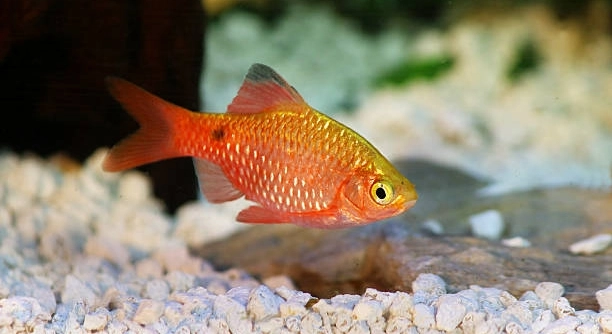
Rosy barbs are popular aquarium fish known for their lively behavior and colorful appearance. They often share tanks with other fish and rely on hiding spots to feel secure. Understanding their interactions around these spaces helps maintain a peaceful environment.
Rosy barbs do compete over hiding spots, especially when space is limited. Dominant individuals tend to claim preferred locations, which can lead to some territorial behavior. Providing ample hiding places reduces conflict and promotes harmony within the tank.
Knowing how rosy barbs use hiding spots can improve your aquarium setup and fish care. This article will help you create a balanced environment for your fish.
Understanding Rosy Barbs’ Behavior Around Hiding Spots
Rosy barbs are active fish that like to explore their environment, but they also need places to retreat. Hiding spots help reduce their stress and give them a sense of safety. When there are only a few hiding places, some barbs become more territorial, guarding these spots from others. This behavior is natural and shows their instinct to protect a secure area. They use plants, rocks, or decorations as cover. Barbs may chase away others to keep their space. When the tank is crowded or hiding places are limited, competition becomes more frequent. Over time, some fish may become shy or stressed if they cannot find a safe spot. It is important to observe their behavior and ensure the aquarium has enough cover for all fish. Proper tank setup can prevent aggression and help all the barbs feel comfortable and secure.
Providing enough hiding places is essential for peaceful interactions among rosy barbs.
Aquarium owners should add various shelters like caves, plants, or driftwood. These allow shy barbs to escape and reduce fights. Spread out hiding spots to prevent clustering. Rotate or rearrange decorations if aggression arises. Regularly check for signs of stress, such as hiding too much or fin damage. Offering a well-structured environment supports healthier, calmer fish and makes your aquarium more enjoyable to watch.
Tips to Reduce Competition for Hiding Spots
Space matters greatly in a tank with rosy barbs.
Keeping the tank less crowded minimizes stress and reduces competition. Overcrowding limits available hiding spots, increasing fights. Adding plenty of plants and decorations creates natural barriers. Live plants are especially good for hiding and improving water quality. Ensuring the tank is at least 30 gallons gives barbs enough room to swim and find shelter. Also, consider grouping barbs in odd numbers, as even numbers may increase territorial disputes. Monitoring their behavior regularly helps catch problems early. These small changes support a more balanced and peaceful tank where every fish has a safe place.
Recognizing Signs of Stress from Competition
Stress in rosy barbs often shows through changes in behavior and appearance. They may hide more than usual, swim erratically, or lose their vibrant colors. Fin damage and loss of appetite are also common signs. Watching these signs closely helps prevent serious health issues.
When competition for hiding spots becomes intense, some barbs become withdrawn or overly aggressive. Stress weakens their immune systems, making them more vulnerable to diseases. It’s important to act quickly by adjusting the tank layout or adding more shelters. Ignoring stress signs can lead to long-term health problems and reduce their lifespan. Ensuring a calm environment keeps the fish healthy and active.
Regular observation is key. Taking note of any changes in your rosy barbs’ behavior allows early intervention. Rearranging decorations or increasing tank size can help. Sometimes, adding peaceful tank mates distracts aggressive fish, balancing the social environment. These steps improve overall well-being and reduce stress caused by competition.
Managing Tank Setup to Minimize Conflict
Proper tank design plays a critical role in reducing competition. Plants, rocks, and other hiding places should be evenly distributed to give all fish access. Overcrowding must be avoided to lower stress and aggression.
Choosing the right decorations can create natural boundaries within the tank, limiting direct confrontations. Tall plants offer vertical cover while caves provide secure spots at the bottom. Spacing hiding places apart prevents dominant barbs from controlling multiple shelters. Good filtration and clean water further support a healthy environment where fish feel less threatened. A well-planned tank setup reduces competition and promotes peaceful coexistence among rosy barbs.
Feeding and Competition for Space
Feeding times can increase competition among rosy barbs, especially near hiding spots. Fish may become more territorial when food is involved.
Providing multiple feeding areas helps reduce fights. Spreading food around the tank lets shy barbs eat without stress or confrontation.
Tank Size and Its Impact on Behavior
Larger tanks give rosy barbs more space to swim and hide, which reduces territorial disputes. A minimum of 30 gallons is recommended for a small group. In a spacious tank, barbs can avoid each other more easily, which lowers stress and aggressive behavior. Small tanks limit hiding options and increase competition, causing more conflicts. Adding plants and decorations helps, but space remains a key factor in managing their behavior effectively.
Selecting Compatible Tank Mates
Choosing peaceful tank mates helps maintain harmony. Avoid aggressive or overly shy species that can upset the balance.
FAQ
How many hiding spots does a tank with rosy barbs need?
A good rule is to provide at least one hiding spot for every two fish. This helps reduce competition and allows shy barbs a safe place to retreat. Use a mix of plants, caves, and decorations spread evenly throughout the tank. More hiding places are better than fewer to keep peace.
Can too many hiding spots cause problems?
Too many hiding spots rarely cause issues. They create a more natural environment and help reduce stress. However, overcrowding the tank with decorations may limit swimming space, which can frustrate active fish like rosy barbs. Balance hiding spots with open swimming areas.
Do rosy barbs fight over food as much as hiding spots?
Food can trigger competition but usually less than hiding spots. Feeding in multiple locations and using sinking pellets helps reduce food-related aggression. Keeping a consistent feeding schedule also limits stress and competition during mealtime.
Are there signs to know when hiding spot competition is getting serious?
Yes. Look for chasing, fin nipping, and fish hiding excessively or losing color. If some barbs are bullied or isolated, it may mean hiding spots are not enough or poorly placed. Immediate action can prevent injury and stress.
Can tank size alone solve hiding spot competition?
Tank size helps, but it’s not the only factor. Even in larger tanks, poor decoration layout or too few shelters can cause fights. Combine sufficient space with well-distributed hiding places for best results.
What are the best types of hiding spots for rosy barbs?
Live plants like Java fern and Anubias offer good cover. Smooth rocks, ceramic caves, and driftwood provide solid shelters. Avoid sharp or rough decorations that can harm fish during chasing.
Should I separate aggressive barbs from the group?
If aggression is persistent and causing harm, separating the aggressive fish can be necessary. Sometimes adding more hiding spots or rearranging the tank helps first. If problems continue, quarantine or rehome the aggressive fish.
How does water quality affect hiding spot competition?
Poor water quality stresses fish, making them more aggressive. Maintaining clean water with proper filtration reduces stress and aggression. Regular water changes and testing are essential for a peaceful tank.
Can tank mates influence rosy barb behavior around hiding spots?
Yes, peaceful tank mates can reduce stress, but aggressive species may increase competition. Choose compatible fish that won’t compete aggressively for space or food.
Is it normal for rosy barbs to chase each other around hiding spots?
Some chasing is normal as they establish territory. Watch for signs of injury or prolonged bullying. Light chasing usually does not harm fish but constant fighting means intervention is needed.
How often should I rearrange hiding spots?
Occasional rearranging can reduce dominance of certain areas and keep the environment interesting. Do this gently to avoid stressing fish, about every few weeks or when signs of conflict appear.
Can adding more fish reduce competition for hiding spots?
Adding more fish may spread aggression but can also increase stress if the tank becomes overcrowded. Balance the number of fish with tank size and hiding spots to avoid worsening the problem.
Final Thoughts
Rosy barbs are lively and social fish that naturally compete over hiding spots in an aquarium. This behavior is part of how they establish territory and feel safe in their environment. When space is limited or hiding places are scarce, competition can become more intense, sometimes leading to stress or aggression. It is important to recognize that this is a normal behavior but also something that can be managed with proper care. Providing enough hiding spots helps create a balanced environment where all fish can feel secure without constant fights. Simple additions like plants, caves, and decorations can make a big difference in reducing competition and promoting peaceful coexistence.
Tank size plays a significant role in how rosy barbs interact around hiding spots. Smaller tanks limit their space and force them to compete more frequently for the few shelters available. Larger tanks give them more room to swim and allow shy or lower-ranking fish to escape aggressive individuals. However, tank size alone does not solve the problem if hiding places are poorly distributed or insufficient. It is essential to combine a proper tank size with thoughtful decoration placement to create multiple areas of cover. Spreading hiding spots evenly throughout the tank gives the fish options and reduces territorial disputes. Regular observation and adjustments to the tank layout can help maintain harmony as the fish grow and their behavior changes over time.
In addition to tank setup, monitoring fish behavior is crucial. Signs of stress or aggression should not be ignored because prolonged fighting can lead to injury and weaken the fish’s health. If competition becomes excessive, consider adding more hiding spots, rearranging decorations, or even separating aggressive individuals if necessary. Maintaining good water quality and feeding practices also supports calmer behavior. Overall, understanding the natural tendencies of rosy barbs allows aquarium owners to create a comfortable environment that meets their needs. With attention to space, hiding spots, and fish welfare, it is possible to enjoy a peaceful tank where rosy barbs can thrive together.

Hello,
If you enjoy the content that we create, please consider saying a "Thank You!" by leaving a tip.
Every little bit helps us continue crafting quality advice that supports the health, happiness, and well-being of pets around the world, for pets of all shapes, sizes, and species.
We really appreciate the kindness and support that you show us!