
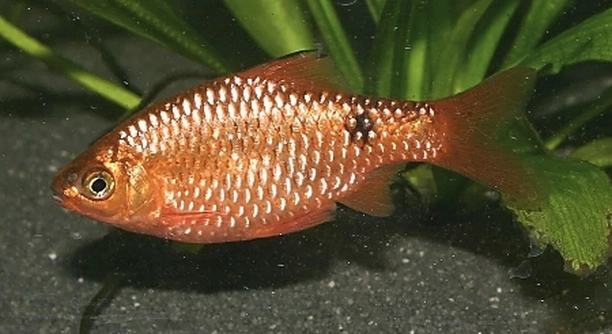
Rosy barbs are popular aquarium fish known for their bright colors and active swimming. Sometimes, they linger near specific spots, like an air stone, which can catch an owner’s attention. This behavior often makes fishkeepers wonder about the cause.
Rosy barbs linger by the air stone primarily because it provides increased oxygen levels and gentle water movement. This environment is comfortable and helps the fish breathe more easily, especially if tank conditions are less than ideal or if they feel stressed.
Understanding why your rosy barb prefers certain areas can help maintain a healthier tank environment and improve your fish’s wellbeing. The following information explains this behavior in more detail and offers practical care tips.
Why Rosy Barbs Prefer the Air Stone Area
Rosy barbs often stay near the air stone because it increases oxygen levels in the water. The bubbles created by the air stone help circulate the water, preventing stagnant areas. Fish need oxygen-rich water to breathe well, especially if the tank is crowded or plants are not producing enough oxygen. The movement also mimics natural water currents, which can make the fish feel safer and more comfortable. Sometimes, water temperature or chemistry near the air stone is slightly better, attracting the fish. If your rosy barb seems to linger there often, it could be a sign that other parts of the tank are less inviting. It is important to check water quality and tank conditions to ensure the whole environment is healthy. Regular cleaning and proper aeration help keep the entire aquarium suitable for your fish.
Consistent oxygen levels are vital for maintaining rosy barbs’ health and activity.
Maintaining good water flow and oxygenation keeps your rosy barbs active and less stressed. If you notice one staying close to the air stone, consider testing the water for oxygen and other parameters. Adjusting filtration or adding more aeration devices might be necessary. Sometimes the issue lies in low oxygen or uneven circulation, which can be corrected easily. Remember, a balanced environment supports all your fish, not just those near the air stone. Regular monitoring ensures your rosy barbs enjoy a lively and healthy home.
Signs of Stress and How to Improve Tank Conditions
Stressed rosy barbs may stay near the air stone because it offers a refuge with better oxygen and movement. Stress can arise from poor water quality, overcrowding, or sudden changes in the tank.
To improve conditions, start by testing the water for ammonia, nitrites, nitrates, and pH levels. Ensure the tank is not overcrowded and that filtration is working efficiently. Perform regular water changes to keep the environment clean and stable. Adding live plants can improve oxygen levels during the day. Providing hiding spots helps reduce stress by giving the fish places to retreat. Avoid sudden temperature swings by using a reliable heater and thermometer. These steps create a more balanced habitat, encouraging rosy barbs to explore the entire tank rather than staying near the air stone. Consistent care improves their overall health and behavior.
Common Tank Issues Affecting Rosy Barbs
Low oxygen and poor water circulation are frequent problems that cause rosy barbs to stay near the air stone. This area typically offers the best water quality in the tank, attracting fish seeking comfort.
Poor water quality results from infrequent water changes or inadequate filtration. When oxygen levels drop, fish struggle to breathe and seek areas with better aeration. Uneven water flow can cause stagnant zones where oxygen is depleted. The air stone bubbles increase oxygen and promote circulation, making this spot more appealing. Overcrowding worsens these issues by increasing oxygen demand. Monitoring water parameters regularly and maintaining proper filtration can prevent such problems and keep your rosy barbs healthy.
Adding extra air stones or upgrading the filter can help improve overall water movement. Proper maintenance avoids oxygen depletion and promotes even water quality throughout the tank, encouraging rosy barbs to explore freely.
Adjusting Tank Setup for Better Fish Behavior
Improving tank setup is key to encouraging rosy barbs to swim throughout the aquarium. Adjusting equipment and decorations can help create a more balanced environment.
Ensure the filter creates gentle water flow that reaches all parts of the tank. Installing additional air stones in different locations can enhance oxygen distribution. Avoid placing too many decorations or plants in one area, which can block circulation and create low-oxygen pockets. Rearranging tank layout to allow open swimming space reduces hiding spots and encourages movement. Using live plants can boost oxygen during daylight hours but should be balanced to avoid blocking water flow. These changes help distribute oxygen evenly and reduce stress.
A well-balanced tank setup leads to healthier fish and more natural behavior. Rosy barbs will feel more comfortable exploring and interacting with their environment when oxygen and space are adequate. Taking small steps to improve circulation and layout will positively impact their activity and overall well-being.
Monitoring Water Temperature
Water temperature affects how rosy barbs behave around the air stone. Cooler or uneven temperatures may cause them to gather near bubbles where water movement is stronger.
Maintaining a stable temperature between 72°F and 78°F helps keep rosy barbs comfortable and active. Sudden temperature changes can stress fish and alter their swimming patterns.
Feeding and Its Impact on Behavior
Rosy barbs might linger near the air stone after feeding if uneaten food accumulates there. This can affect water quality and oxygen levels, prompting fish to stay close to fresh oxygen bubbles.
Regular feeding with proper amounts and timely cleaning of leftover food prevents water quality issues. Balanced nutrition supports fish health and encourages normal activity throughout the tank.
Signs Your Rosy Barb Is Unwell
Lethargy and staying near the air stone can indicate illness. Watch for other symptoms like loss of color, clamped fins, or labored breathing to catch problems early.
FAQ
Why does my rosy barb stay by the air stone so often?
Rosy barbs tend to stay near the air stone because it provides increased oxygen levels and gentle water movement. These bubbles improve water circulation and oxygen distribution, creating a comfortable spot for the fish. If your fish frequently linger there, it might suggest lower oxygen levels elsewhere in the tank or uneven water flow.
Is it normal for rosy barbs to rest near the air stone?
Yes, it is normal for rosy barbs to rest near the air stone occasionally. This behavior is often a way to access higher oxygen concentrations, especially if the tank’s overall oxygen is lower. However, if they stay there constantly, it may indicate water quality or environmental issues that need attention.
Can poor water quality cause rosy barbs to cluster by the air stone?
Poor water quality is a common reason rosy barbs gather near the air stone. Ammonia, nitrite spikes, or high nitrate levels reduce oxygen availability and stress fish. The air stone’s bubbles supply better oxygen, making it a refuge spot. Testing water regularly and performing water changes can prevent these issues.
How can I improve oxygen levels throughout the tank?
Improving oxygen levels involves ensuring good water circulation and surface agitation. Use a properly sized filter to create gentle flow and add air stones or air pumps if necessary. Live plants during daylight can also increase oxygen. Avoid overcrowding and maintain regular cleaning to keep oxygen balanced.
Does tank temperature affect rosy barbs’ behavior near the air stone?
Yes, water temperature plays a role. Cooler or uneven temperatures may cause fish to seek areas with better water movement, like near the air stone. Keeping temperature stable between 72°F and 78°F supports healthy behavior and encourages swimming throughout the tank.
What should I do if my rosy barb is always near the air stone and appears lethargic?
Lethargy combined with lingering near the air stone can signal stress or illness. Check water parameters for ammonia, nitrites, and nitrates. Observe for other symptoms like faded color, clamped fins, or labored breathing. If signs persist, isolate the fish and consider treatment or consulting a vet experienced in fish health.
Can overcrowding cause my rosy barb to stay near the air stone?
Overcrowding increases oxygen demand and waste buildup, lowering water quality. Rosy barbs may seek out the air stone area for more oxygen in crowded tanks. Reducing the number of fish or upgrading filtration and aeration helps improve conditions and fish behavior.
How often should I clean the air stone and filter?
Cleaning frequency depends on tank size and bioload, but generally, air stones should be cleaned or replaced every few months to avoid clogging. Filters need regular maintenance—clean or replace media monthly or as recommended by the manufacturer. Keeping equipment clean ensures proper oxygen flow and water quality.
Does feeding affect my rosy barb’s position near the air stone?
Yes, leftover food near the air stone can reduce oxygen by increasing bacterial activity during decomposition. Feeding small amounts and promptly removing uneaten food prevents oxygen depletion and keeps the tank healthier. Balanced nutrition also supports your fish’s overall well-being.
Are there tank decorations or layouts that help reduce clustering near the air stone?
Creating an open swimming space with good water flow reduces clustering near the air stone. Avoid placing too many decorations or plants in one area, which can block circulation. Spread out hiding spots and plants evenly, ensuring the filter flow reaches all parts of the tank to encourage natural movement.
What is the ideal tank size for rosy barbs to avoid stress and clustering?
Rosy barbs need at least 20 gallons for a small group, as they are active swimmers. Adequate space reduces stress and prevents overcrowding, which lowers oxygen levels and waste buildup. Providing enough room encourages fish to swim freely rather than clustering near the air stone.
Can live plants help with oxygen levels and reduce clustering?
Live plants produce oxygen during the day, helping maintain good oxygen levels. They also provide hiding spots, reducing stress. However, too many plants or dense growth can block water flow. A balanced amount of plants combined with proper filtration promotes a healthy environment and even oxygen distribution.
What signs show that my tank’s water circulation needs improvement?
Signs include fish gathering near the air stone or filter outlet, stagnant areas with visible debris, and uneven temperature zones. Poor circulation reduces oxygen and creates unhealthy spots. Improving filter flow, adding air stones, or rearranging tank layout can help distribute water movement evenly.
Can adding more air stones cause stress to rosy barbs?
Adding air stones usually improves oxygen levels without causing stress if flow is gentle. Strong currents or excessive bubbles might disturb fish, so placement and output should be adjusted carefully. Observing fish behavior after adding air stones helps ensure the environment remains comfortable.
How often should I test my aquarium water?
Regular testing is essential, especially for ammonia, nitrites, nitrates, pH, and temperature. Weekly testing is recommended for most tanks, increasing frequency during new setups or when fish show unusual behavior. Monitoring water quality helps prevent issues that cause fish to linger near the air stone.
What equipment upgrades can help reduce clustering near the air stone?
Upgrading to a larger or more efficient filter improves water circulation. Adding multiple air stones or an air pump distributes oxygen evenly. Installing a water pump or powerhead helps move water gently throughout the tank. These changes create a more balanced environment, encouraging fish to explore all areas.
Does the type of air stone matter for rosy barbs?
Air stones come in different sizes and bubble outputs. Fine-pore stones produce smaller bubbles, which provide better oxygen exchange and less disturbance. Coarse bubbles can stress fish if too strong. Choosing the right air stone depends on tank size and fish preference, aiming for gentle aeration.
How do I know if my rosy barb’s behavior near the air stone is normal or a sign of trouble?
Occasional visits to the air stone for oxygen are normal. Constant lingering combined with lethargy, color loss, or labored breathing suggests stress or poor water conditions. Monitoring other tank parameters and fish health helps determine if action is needed.
Can acclimating new rosy barbs reduce air stone clustering?
Proper acclimation helps fish adjust to water conditions, reducing stress that causes them to seek refuge near the air stone. Gradually introducing new fish with slow water mixing and stable temperatures supports healthier behavior and quicker settling.
What are common mistakes that cause rosy barbs to stay near the air stone?
Common mistakes include overfeeding, overcrowding, poor filtration, infrequent water changes, and ignoring temperature fluctuations. These factors reduce oxygen and water quality, causing fish to stay near better-oxygenated areas like the air stone. Avoiding these mistakes keeps fish healthier and more active.
Can stress from tank mates cause rosy barbs to avoid other areas and stay near the air stone?
Aggressive or territorial tank mates can stress rosy barbs, making them seek refuge near the air stone for safety. Ensuring compatible fish species and providing enough hiding spots reduces stress and encourages normal swimming patterns throughout the tank.
Final Thoughts
Observing your rosy barb linger by the air stone is a common behavior that often relates to the fish’s need for better oxygen and comfortable water movement. This spot offers bubbles that increase oxygen levels, helping fish breathe more easily. If your fish stay near the air stone regularly, it might be signaling that other parts of the tank have lower oxygen or less favorable conditions. Maintaining a well-balanced tank environment is essential for keeping rosy barbs healthy and active. Proper filtration, regular water changes, and consistent aeration improve water quality and oxygen distribution throughout the aquarium. These steps reduce the need for fish to gather in one specific area.
It is important to check water quality regularly to prevent problems that can cause your fish to cling to the air stone. High ammonia, nitrites, or nitrate levels can stress fish and affect oxygen availability. Overcrowding and poor water circulation also contribute to low oxygen zones. Keeping the tank clean and well-maintained helps avoid these issues. Adjusting the layout by adding more air stones or improving the filter’s flow ensures oxygen reaches all corners of the tank. Stable water temperature and balanced nutrition also support healthy fish behavior. When these factors are controlled, rosy barbs will swim freely and display their natural, active behavior.
In summary, your rosy barb’s habit of staying near the air stone can be a helpful clue to the overall condition of the tank. Paying attention to water quality, tank setup, and fish health will improve their environment and reduce this behavior. By keeping oxygen levels consistent and providing a comfortable habitat, you encourage your fish to thrive. Regular maintenance and observation are key to preventing stress and health problems. When you care for the tank properly, your rosy barbs will enjoy a more balanced space, showing off their bright colors and lively movements throughout the aquarium.

Hello,
If you enjoy the content that we create, please consider saying a "Thank You!" by leaving a tip.
Every little bit helps us continue crafting quality advice that supports the health, happiness, and well-being of pets around the world, for pets of all shapes, sizes, and species.
We really appreciate the kindness and support that you show us!