
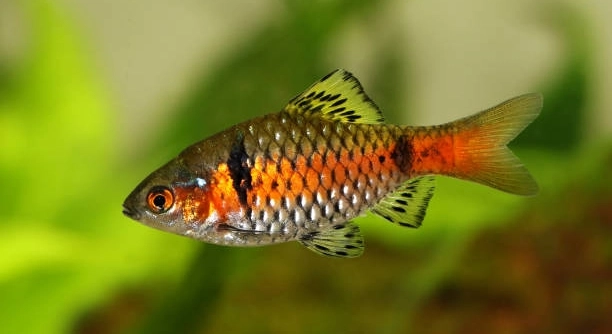
Do you ever find yourself watching your rosy barbs swim and wondering if they’re capable of showing affection toward you or each other?
Rosy barbs are not known for displaying affection in the same way as mammals or birds. However, they may show social behaviors such as schooling, reduced aggression, and increased interaction with familiar tank mates or caregivers.
These behaviors can seem affectionate, but they are mostly instinctual. Understanding the difference can help you create a healthier environment for your fish.
What Affection Looks Like in Rosy Barbs
Rosy barbs are social fish that enjoy swimming in groups. When kept in schools of five or more, they tend to show calmer behavior and may appear to bond with one another. While they do not form emotional attachments like dogs or cats, they can become familiar with their environment and routine. Some owners notice that their rosy barbs swim to the front of the tank when approached, possibly recognizing feeding time or daily activity. This behavior is often mistaken for affection, but it is mostly a learned response. Rosy barbs are active and curious, and their movement can resemble playful interaction, especially with each other. They may follow one another or mimic behaviors, which shows social learning rather than affection. Understanding this helps set realistic expectations when caring for them.
Their swimming patterns, group interactions, and routine responses can give the impression of attachment, but they are instinct-driven and not emotional.
Watching your rosy barbs interact can be rewarding. Their lively behavior and group activity bring energy to your aquarium and allow you to enjoy their natural habits. Observing them closely helps you recognize healthy patterns and respond to changes that may need your attention.
Responding to Human Presence
Rosy barbs may react to your presence, especially if it is associated with feeding. They may swim toward you or show more movement, which many people see as affection.
This behavior is best understood as conditioning. Over time, rosy barbs associate your movements with food or other activities they enjoy, such as a water change that improves their comfort. If you feed them at the same time each day, they quickly learn the pattern. They may become more active when they see you approach, but this is a learned response. Their brain is not built for complex emotional recognition. However, consistency does create a level of trust. They may not love you in a personal way, but they recognize your role. Creating a stable routine and offering proper care encourages these responsive behaviors. Clean water, safe tank mates, and balanced food are essential for their health and activity. When they feel secure, they interact more visibly.
Recognizing Social Behaviors
Rosy barbs are naturally social and show more stable behavior when kept in groups. Their interactions with each other include synchronized swimming, chasing, and occasional nudging, which helps establish their social structure in the tank.
In a group setting, rosy barbs often swim closely together, forming a loose school. This is not affection, but a safety mechanism developed in the wild. It helps reduce stress and promotes calmness among the fish. When one barb moves quickly, others tend to follow, showing a coordinated reaction. Occasionally, one may chase another, especially during feeding or mating. These actions help maintain order and signal social boundaries. While this may seem aggressive at times, it is usually harmless and part of their normal interaction. Understanding these behaviors allows you to tell the difference between playful movement and potential stress or illness, ensuring your rosy barbs live peacefully in their environment.
Some rosy barbs may seem to have a favorite tank mate. You might notice two swimming closer together or sharing space more often than others. This can appear affectionate, but it’s more about comfort and hierarchy. Fish that are less dominant may seek calmer partners to reduce stress. At times, you may notice one fish leading and the other following, which is common during feeding or exploration. These actions are part of their natural group dynamics and not emotional bonding. Keeping them in an appropriate group size and providing enough hiding spots helps reduce any bullying or stress-related behavior. Observing them daily helps you learn what is normal for your specific fish group.
How Environment Affects Behavior
A well-maintained environment plays a big role in how your rosy barbs behave. Clean water, proper tank size, and enrichment like plants or hiding spaces support natural and social behavior. Stress can reduce their activity and interaction.
Rosy barbs thrive in spacious tanks with stable water conditions. A minimum of 20 gallons is recommended for a small group, but larger tanks give them more room to swim and interact. Use gentle filters to avoid strong currents that may stress them. Maintain a consistent temperature between 72–78°F and check water parameters regularly. Add live plants, rocks, or driftwood to create an enriched setting where they can explore and rest. These features help reduce anxiety and encourage group swimming and interaction. Without proper care, rosy barbs may become skittish or aggressive. A healthy tank brings out their best behavior, making them more active and enjoyable to watch on a daily basis.
Interaction vs. Attachment
Rosy barbs often show interest in movement outside the tank, especially during feeding times. They may swim toward you or follow your finger along the glass, but these actions are instinctive, not emotional.
Their reactions are based on habit and routine. They associate you with food or tank activity, not personal connection.
What Encourages Positive Behavior
To keep rosy barbs active and interactive, feed them on a consistent schedule and avoid sudden tank changes. Offer a balanced diet of flakes, pellets, and occasional frozen or live foods. Add floating or rooted plants to provide cover and security. Maintain water quality through weekly partial water changes and gentle cleaning. Group them with at least four other rosy barbs to reduce stress and encourage natural schooling. Avoid pairing them with slow or long-finned fish, as rosy barbs can be nippy. A steady, calm environment supports their well-being and brings out their active, social behavior. These steps help you build a peaceful and engaging tank setup.
Observing Your Fish Daily
Paying attention to how your rosy barbs act each day helps you spot stress, illness, or changes in group behavior early.
FAQ
Can rosy barbs recognize their owner?
Rosy barbs may learn to associate your presence with feeding or tank maintenance, especially if you keep a consistent routine. Over time, they might swim to the front of the tank or follow your movements. This response is based on conditioning, not emotional recognition. While it feels personal, it’s a learned behavior linked to repetition and reward. Fish like rosy barbs don’t have the emotional or memory capacity to recognize humans in the same way a dog or cat might. They react to patterns and visual cues, not to the idea of “you” as a unique individual.
Do rosy barbs get lonely if kept alone?
Yes, rosy barbs can become stressed or less active when kept alone. They are schooling fish and prefer to live in groups of at least five. In smaller numbers, their behavior often changes—they may hide more, show signs of aggression, or stop eating. Being in a group helps regulate their social behavior and gives them a sense of safety. When kept in proper numbers, they swim more freely, interact positively, and show natural schooling behavior. A lone rosy barb can become withdrawn or unhealthy over time, so always aim for a suitable group size in a spacious tank.
Can rosy barbs show affection to each other?
Rosy barbs do not show affection in the emotional sense, but they often swim together, rest near each other, and follow one another. These actions are part of their social nature and help them feel secure. During spawning, males may chase females, and you might notice specific pairs staying close. This behavior is more about reproduction and social hierarchy than emotional attachment. In general, their interactions support group balance and help avoid stress. While these habits may seem affectionate, they are instinctual responses based on safety, mating, and routine behavior rather than personal connection or bonding.
Why do my rosy barbs chase each other?
Chasing among rosy barbs is normal and can happen for several reasons. It may occur during feeding, when a fish is establishing dominance, or during breeding. Males may chase females to encourage spawning, especially if the tank conditions are ideal. However, if the chasing seems constant or aggressive, it could be due to overcrowding, poor water quality, or lack of hiding spaces. Make sure your tank is large enough and includes decorations or plants where less dominant fish can rest. Occasional chasing is part of their social behavior, but it should not lead to injuries or extreme stress.
How do I know if my rosy barbs are stressed?
Stressed rosy barbs may lose their bright colors, hide more often, or stop eating. Some may breathe rapidly or stay near the bottom of the tank. Aggressive behavior, such as constant chasing or fin nipping, can also be a sign. Poor water conditions, incorrect tank mates, or too few fish in the group can all contribute to stress. To reduce this, test water parameters weekly, feed a balanced diet, and avoid sudden changes in the tank. A stable, clean environment with proper group size will help reduce stress and support healthy activity and appearance.
Do rosy barbs get bored in the tank?
Yes, rosy barbs can become less active if their environment lacks variety. They enjoy exploring, so it helps to provide a tank with live plants, rocks, driftwood, and room to swim. You can also change decorations occasionally to create new paths and hiding spots. Feeding a varied diet and changing their routine slightly can also help keep them stimulated. While they don’t experience boredom in the same way humans do, a dull or unchanging tank can lead to lower activity and dull colors. Keeping their space interesting helps maintain their energy and overall health.
Can rosy barbs live with other fish?
Yes, rosy barbs can live with other peaceful, active fish that thrive in similar water conditions. Good tank mates include danios, larger tetras, and rainbowfish. Avoid pairing them with slow-moving or long-finned fish like bettas or angelfish, as rosy barbs may nip at fins. Keep them in groups to reduce nipping and spread out any dominance behavior. Providing plenty of space and hiding areas also supports peaceful coexistence. Always observe new tank mates closely at first to make sure the mix is working. Compatibility depends on behavior, tank size, and how well the group dynamics settle over time.
Final Thoughts
Rosy barbs are active, social fish that bring a lot of movement and color to any aquarium. While they do not show affection in the way dogs or cats might, their group behaviors and responses to routine care can feel personal. They may swim to the front of the tank when they see you or interact more when food is near, but these actions are based on habit and instinct. Understanding how they behave helps you avoid misinterpreting their actions and ensures they are cared for properly. Watching them interact with one another can still be very rewarding, even without emotional bonding.
Keeping rosy barbs in a group is one of the most important things you can do for their health and behavior. A group of five or more allows them to swim together, establish a calm order, and reduce stress. When they are alone or kept in pairs, they may become aggressive or withdrawn. A well-maintained tank with clean water, enough space, and some live plants or hiding areas also helps support their natural habits. These small steps make a big difference in how they behave daily. When they feel secure, they are more active, responsive, and display more stable behavior.
It is easy to assume a fish’s reaction is affection, especially when they follow your movements or seem excited when you approach. However, most of their behavior is shaped by routine and instinct. That doesn’t make them any less interesting or enjoyable to care for. They respond well to a steady routine, a healthy diet, and proper tank conditions. If you focus on giving them a peaceful and enriched space, they will thrive and bring a calm, lively presence to your aquarium. Observing their daily habits helps you notice any changes early, making it easier to keep them healthy. While rosy barbs are not affectionate in the traditional sense, their social habits and predictable routines still offer a meaningful connection for those who enjoy caring for them.

Hello,
If you enjoy the content that we create, please consider saying a "Thank You!" by leaving a tip.
Every little bit helps us continue crafting quality advice that supports the health, happiness, and well-being of pets around the world, for pets of all shapes, sizes, and species.
We really appreciate the kindness and support that you show us!