
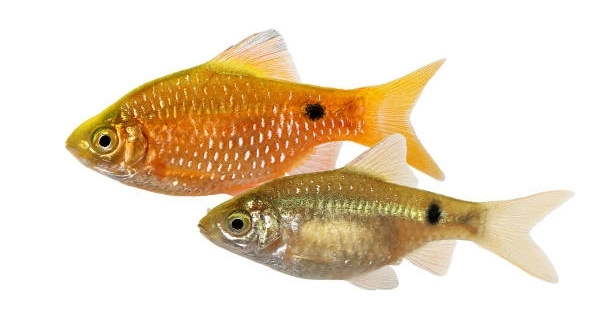
Rosy barbs are lively fish that brighten many home aquariums. Sometimes, they swim in unusual patterns that catch attention. Observing their behavior can reveal important clues about their health and environment.
Spiral swimming in rosy barbs is often caused by stress, poor water quality, or infections affecting their nervous system. Identifying these factors early is essential to prevent further health complications and maintain a balanced aquarium environment.
Understanding the reasons behind this behavior helps in providing better care. Keeping your fish healthy and happy starts with knowing what their actions mean.
Common Causes of Spiral Swimming in Rosy Barbs
When rosy barbs swim in spirals, several factors might be affecting them. Poor water quality is a frequent reason. High levels of ammonia, nitrites, or nitrates can stress fish and disrupt their behavior. Another cause can be infections, especially those affecting the brain or nervous system. Parasites and bacterial infections may lead to erratic swimming patterns. Sometimes, physical injury or genetic issues also affect their movement. Stress from overcrowding or aggressive tank mates can make rosy barbs swim unusually. Maintaining stable water conditions and monitoring tank mates helps reduce these problems. Regular water tests and proper tank cleaning are essential. Observing fish closely allows early detection of any unusual behavior or illness. Acting quickly by improving water quality or seeking treatment can prevent more severe damage. Healthy fish swim calmly and in straight lines, so spiral swimming should always prompt a closer look.
Taking simple steps like regular water changes can greatly improve fish behavior and health.
Keeping the tank environment stable is the key to avoiding most spiral swimming problems in rosy barbs.
Water Quality and Its Impact
Water quality affects every aspect of your rosy barbs’ health. Ammonia and nitrite levels must be kept at zero because even small amounts can cause nervous system issues. Nitrates should stay low to prevent stress. A pH level that is too high or too low also causes discomfort. Temperature changes can disrupt fish balance and make them swim oddly. Testing water weekly is a good routine. Filters must be clean but not over-cleaned, as beneficial bacteria need to thrive. Adding aquarium salt sometimes helps reduce stress and treat minor infections. It’s also important to avoid sudden water changes, which can shock the fish. Proper feeding and avoiding overfeeding contribute to better water quality. Feeding fish only what they can eat in a few minutes prevents leftover food from polluting the water. A stable environment keeps rosy barbs healthy and active, reducing unusual swimming patterns.
Proper water care makes a big difference in preventing health issues and odd behavior in your fish.
Stress and Its Effects on Rosy Barbs
Stress often causes rosy barbs to swim in spirals. It can come from overcrowding, aggressive tank mates, or sudden changes in their environment. Reducing stress is essential to restore normal swimming behavior.
Stress affects fish by disrupting their balance and making them more vulnerable to disease. When tank conditions change too quickly, rosy barbs may become anxious and swim erratically. Overcrowded tanks limit space, increasing tension among fish. Aggressive fish can chase or nip at rosy barbs, causing stress and injury. Providing enough room and peaceful companions reduces stress levels. Maintaining consistent water temperature and conditions also helps. Using hiding spots like plants or decorations offers safe areas for shy fish. Watching behavior closely allows early action before stress causes severe health problems.
Managing stress improves overall fish well-being. Calm, comfortable environments lead to healthier, more stable swimming patterns.
Identifying and Treating Infections
Infections can cause spiral swimming due to damage in the nervous system. Bacterial, parasitic, or fungal infections are common offenders. Early identification is critical for treatment success.
Look for other signs like clamped fins, lethargy, or loss of appetite along with spiral swimming. Infections often occur after stress or injury weakens the fish’s immune system. Quarantine sick fish to prevent spreading disease. Treatments depend on the infection type and may include antibiotics or antiparasitic medications. Maintaining clean water and good nutrition supports recovery. If unsure about the infection, consulting a vet or experienced aquarist is recommended. Prompt treatment increases chances of a full recovery and prevents permanent damage. Preventing infections starts with a clean, stable tank and reducing stress factors that lower immunity.
Tank Environment and Space
Rosy barbs need enough space to swim freely. Overcrowded tanks cause stress and limit their movement. A properly sized tank helps maintain healthy behavior.
Providing hiding spots and plants reduces tension. These give fish places to retreat and feel safe, which supports normal swimming patterns.
Nutrition and Diet
A balanced diet supports the nervous system and overall health of rosy barbs. Feeding high-quality flakes, pellets, and occasional live or frozen foods ensures proper nutrition. Poor diet can weaken fish, making them more prone to illness and abnormal behavior. Regular feeding in moderate amounts helps maintain their energy and vitality.
Physical Injury
Physical injuries from sharp objects or aggressive tank mates can affect swimming. Inspect the tank for hazards and separate aggressive fish promptly.
Monitoring Behavior
Keep a close watch on your rosy barbs’ movements. Early detection of unusual swimming helps address problems before they worsen.
FAQ
Why are my rosy barbs swimming in circles?
Swimming in circles or spirals often signals stress or health issues. Poor water quality, infections, or injuries can cause this behavior. Stress from overcrowding or aggressive tank mates is also common. Checking water parameters and observing other symptoms helps find the root cause. Acting quickly can prevent serious problems.
Can poor water quality cause spiral swimming?
Yes, poor water quality is a major cause of abnormal swimming. High ammonia, nitrites, or nitrates damage fish nervous systems, making them swim in unusual patterns. Maintaining clean water with regular tests and changes is crucial for healthy fish behavior.
How can I improve water quality for my rosy barbs?
Test water weekly for ammonia, nitrites, nitrates, pH, and temperature. Perform partial water changes (20-30%) regularly. Clean filters but avoid removing all beneficial bacteria. Avoid overfeeding and remove uneaten food promptly. Stable conditions reduce stress and keep fish swimming normally.
What signs show my rosy barbs might be sick?
Besides spiral swimming, look for clamped fins, lethargy, loss of appetite, spots or sores, and unusual breathing. These signs often indicate infections or parasites. Early detection improves treatment success and prevents spread in the tank.
How do I treat infections causing spiral swimming?
Identify the infection type—bacterial, parasitic, or fungal—if possible. Quarantine sick fish to stop spreading. Use appropriate medications such as antibiotics or antiparasitic treatments. Maintain clean water and good nutrition during recovery. Consult a vet or aquarium specialist if unsure.
Does stress really affect how rosy barbs swim?
Stress impacts fish behavior significantly. It can cause nervousness, erratic swimming, or spiral movements. Causes include overcrowding, aggressive tank mates, sudden environment changes, or poor water conditions. Reducing stress by providing space, hiding spots, and stable water helps restore normal swimming.
How much space do rosy barbs need?
Rosy barbs require at least 20 gallons for a small group, with about 2 gallons per fish. More space reduces aggression and stress. Overcrowding leads to competition for food and territory, causing unusual behavior.
Can diet affect my fish’s swimming patterns?
Yes, nutrition affects fish health and behavior. A balanced diet with quality flakes, pellets, and occasional live or frozen foods strengthens the immune system. Poor diet weakens fish, making them prone to disease and strange swimming.
What should I do if aggressive fish are stressing my rosy barbs?
Separate aggressive fish to protect your rosy barbs. Rearrange tank decorations to create hiding spaces and reduce confrontations. Choosing peaceful tank mates helps maintain a calm environment.
Is it normal for rosy barbs to swim in groups?
Yes, rosy barbs are schooling fish and prefer swimming in groups. Swimming together helps them feel safe and reduces stress. Isolated fish may become anxious and swim erratically.
Can physical injuries cause spiral swimming?
Physical injuries from sharp objects or fights can affect balance and movement. Inspect the tank for hazards and keep aggressive fish separate. Healing injuries quickly supports normal swimming.
How often should I test my aquarium water?
Testing water weekly is best for early problem detection. Frequent checks help maintain stable conditions and prevent health issues linked to poor water quality.
When should I seek professional help for my rosy barbs?
If your fish continue to swim in spirals despite improving water quality and reducing stress, or if symptoms worsen, consult a vet or experienced aquarist. Professional advice ensures correct diagnosis and treatment.
Can sudden temperature changes cause spiral swimming?
Yes, rapid temperature shifts stress fish and disrupt their balance. Keep water temperature steady and within the recommended range for rosy barbs, usually 64–72°F (18–22°C).
Are there natural remedies to help spiral swimming?
Maintaining clean water and reducing stress are the best natural methods. Adding aquarium salt can sometimes ease minor infections and stress. However, serious infections need proper medication. Always research before using treatments.
Rosy barbs are lively fish that bring color and movement to any aquarium. When they start swimming in spirals, it is usually a sign that something is wrong. This behavior should not be ignored because it often points to stress, health issues, or problems with the tank environment. Understanding the reasons behind this unusual swimming pattern is important for keeping your fish healthy and happy. Paying close attention to their behavior and surroundings can help catch problems early before they get worse.
The most common causes of spiral swimming in rosy barbs include poor water quality, infections, stress, and physical injuries. Poor water quality affects their nervous system and makes swimming difficult. Infections, such as bacterial or parasitic diseases, also disrupt normal movement. Stress from overcrowding, aggressive tank mates, or sudden changes in the tank can cause anxiety, leading to spiraling swims. Physical injuries from sharp objects or fights may impact balance. Regular water tests, proper tank maintenance, a balanced diet, and a peaceful environment are key to preventing these issues. Acting quickly by improving conditions or treating illnesses can restore normal behavior and protect your fish.
Keeping rosy barbs healthy requires consistent care and attention. It’s important to create a stable and comfortable environment that meets their needs. Providing enough space, hiding places, and peaceful companions reduces stress and supports their well-being. Watching for early signs of illness or unusual behavior allows prompt action. With proper care, rosy barbs will swim confidently and brighten your aquarium for a long time. Remember, understanding their behavior is the first step to ensuring their health and happiness.

Hello,
If you enjoy the content that we create, please consider saying a "Thank You!" by leaving a tip.
Every little bit helps us continue crafting quality advice that supports the health, happiness, and well-being of pets around the world, for pets of all shapes, sizes, and species.
We really appreciate the kindness and support that you show us!