
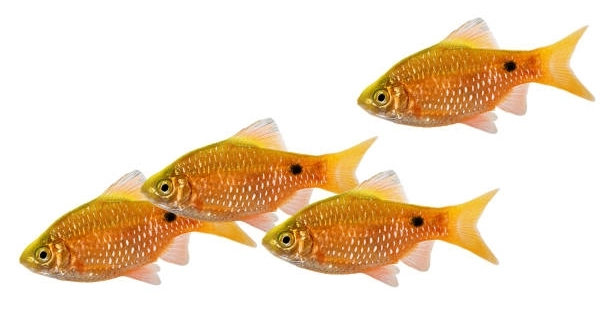
Do you ever find yourself watching your fish and wondering why one seems to avoid certain areas of the tank? Maybe it hovers away from the bubbles while the others swim through them without a care.
The most likely reason your rosy barb is avoiding the bubble flow is due to discomfort caused by strong water movement. Excessive current can create stress, interfere with swimming, and disrupt the fish’s preferred environment.
Understanding how bubble flow affects your fish can help you create a more comfortable habitat and reduce unnecessary stress in your aquarium.
Understanding Bubble Flow and Fish Behavior
Bubble flow can look nice in an aquarium, but not all fish enjoy it. Rosy barbs are active swimmers, but they prefer calm or moderate water movement. If the bubble stream is too strong, it may feel overwhelming. The constant force can push them around or disturb their resting zones. This causes stress and makes them avoid that area. A fish that avoids the bubble flow might be trying to stay comfortable or conserve energy. Some fish adapt over time, while others continue to avoid fast-moving water. Tank placement, decoration layout, and water flow all play a role in shaping their behavior. Watching how your rosy barb reacts is important. Their patterns can tell you a lot about their comfort level and overall health. Adjusting the airflow or rearranging items in the tank can make a big difference. A calm environment helps keep your fish healthy and relaxed.
Avoiding bubble flow doesn’t always mean something is wrong. It might simply be a sign that the current is too strong for your fish’s liking.
Keep an eye on their behavior during feeding and resting times. If they swim freely elsewhere but stay away from the bubbles, it’s likely a matter of preference.
Making the Tank Comfortable
Watch how your rosy barb moves through the tank. If it only avoids the bubbler area, it might be reacting to the current.
One way to help is by reducing the intensity of the bubble flow. You can use an adjustable air pump or an air control valve to tone it down. Some fish need areas where they can rest without being pushed around. Try placing decorations or plants near the bubbler to slow the flow. These barriers can break up strong currents and give your fish more control over where it swims. Also, be sure your tank isn’t overcrowded. Overcrowding can make any water movement feel stronger. A calm, well-balanced tank helps your rosy barb feel more at ease. Take time to observe. If your fish begins exploring more after changes, that’s a good sign. Consistency also matters—sudden changes in flow or tank layout can cause stress. Adjust things gradually so your fish can adapt slowly and feel more secure.
Checking for Signs of Stress
Fish that feel stressed may show it in small ways. Watch for fast breathing, hiding often, or sudden movements. These signs usually mean the fish is uncomfortable with something in its surroundings, including strong bubble flow or changes in the tank setup.
If your rosy barb is stressed, it might avoid other fish, lose color, or refuse food. It could also dart away quickly when approached. These signs often mean the tank conditions need adjusting. Noise, water temperature, or lighting might also play a role. Try turning down the air pump and see if the behavior improves. Consistent stress can weaken a fish’s immune system and make it more likely to get sick. Adding plants, hiding spots, or soft lighting can create a calmer space. Make sure to test the water regularly for any sudden changes in pH, ammonia, or nitrate levels that could be adding to the stress.
Sometimes, the stress is short-term and goes away after a small change. If your fish starts eating, swimming normally, and exploring again, that’s a good sign. Just be sure not to make too many changes at once. Even helpful adjustments can feel stressful when they happen too fast. Take it slow and observe how your rosy barb reacts.
Adjusting Your Tank Setup
A few simple changes can make a big difference. Move the air stone or bubbler to a corner where your rosy barb doesn’t spend much time. Use tank plants or decorations to block strong currents. These changes help create quiet areas where your fish can rest and feel safe.
Check your tank size and fish count. Crowded tanks often lead to more stress. Make sure the water quality is stable by testing weekly and doing partial water changes. A sponge filter is a good option if your fish needs gentler flow. Add live plants or silk ones—they look natural and help slow the current. Watch how your fish responds over a few days. If it swims near the bubbles more often, the change likely helped. Keep the lights soft and avoid loud vibrations around the tank. Even background noise or sudden bumps can stress a fish. When you adjust slowly and observe carefully, you give your rosy barb a better chance to feel calm and stay healthy.
Observing Tank Mates
Other fish in the tank might be affecting your rosy barb’s behavior. If they are aggressive or overly active, your barb may avoid certain areas to stay out of their way.
Sometimes, more dominant fish take over specific spots, leaving others to swim elsewhere. This can lead to avoidance of bubble zones.
Considering Temperature and Lighting
Water temperature and lighting can impact your fish’s comfort. Rosy barbs do best in water between 72°F and 78°F. If it’s too cold or warm, they may avoid high-flow areas to conserve energy. Lighting should be soft and consistent. Sudden brightness or long exposure can cause stress. Try keeping lights on for about 8 hours a day. Add floating plants if the lighting seems too harsh. These plants offer shaded areas and also help your fish feel safer. Even small changes like adjusting the light angle or moving the tank slightly can help your fish feel more secure and explore the tank more freely.
When to Seek Help
If behavior doesn’t improve after changes, it may be time to ask a vet or fish expert. A health issue could be causing your rosy barb to act differently.
FAQ
Why does my rosy barb avoid bubble flow but others don’t?
Fish have different preferences and tolerances for water movement. Some rosy barbs are more sensitive to strong currents, while others may not mind it. Factors like age, health, and personality also affect how a fish reacts to bubble flow. If your fish seems stressed or hides, it probably prefers calmer water.
Can bubble flow harm my rosy barb?
Strong, constant water movement can tire out your rosy barb and cause stress. Stress lowers immunity and can lead to illness. However, gentle bubbles improve oxygen levels and circulation in the tank, which is healthy for fish. The key is finding a balance that keeps your fish comfortable.
How can I reduce bubble flow without removing it?
Use an adjustable air pump or a valve to control the airflow. Adding plants or decorations near the bubbler breaks the current into softer streams. You can also reposition the air stone so the bubbles don’t flow directly through the area your fish prefers to rest in.
Is it normal for fish to avoid parts of the tank?
Yes, fish often avoid areas where they feel unsafe or uncomfortable. This can be because of water flow, lighting, tank mates, or temperature differences. Observing these preferences helps you understand your fish’s needs better.
Can strong bubble flow affect other fish in the tank?
Yes, aggressive water movement can stress any fish, especially slower or smaller species. It can push them around and make it harder to swim or rest. Adjusting the flow to suit all tank inhabitants is important for their health.
Does bubble flow affect water temperature?
Bubble flow itself doesn’t change water temperature much. However, air pumps and filters can cause minor temperature changes if they generate heat. It’s a good idea to monitor your tank temperature regularly and adjust heaters or equipment as needed.
What should I do if my rosy barb hides a lot?
First, check water quality, temperature, and tank conditions. Make sure the bubble flow is not too strong, and there are enough hiding spots. If hiding continues, watch for signs of illness like discoloration or clamped fins. In that case, consult a fish expert.
How often should I test my aquarium water?
Testing water weekly is best to catch any changes early. Check pH, ammonia, nitrite, and nitrate levels. Keeping water stable prevents stress and health problems in your rosy barb. Regular water changes also keep the environment clean and safe.
Can plants help reduce bubble flow stress?
Yes, live or artificial plants slow down water currents by breaking up strong flows. They also provide hiding places and reduce light intensity, making the tank more comfortable for shy or stressed fish.
Is it normal for rosy barbs to be skittish?
Rosy barbs can be active and sometimes shy. Sudden movements, loud noises, or changes in the tank can make them nervous. Providing a calm environment and gentle water flow helps them feel secure and behave more naturally.
When your rosy barb avoids the bubble flow in your tank, it is often a sign that the water movement is too strong or uncomfortable for the fish. Fish have their own preferences for how much current they like, and too much flow can cause stress. This stress may affect their health and behavior over time. It is important to observe your fish carefully to understand what changes will help them feel better. Simple adjustments like lowering the airflow, adding plants, or rearranging decorations can create calmer spaces for your fish to enjoy. These small changes can make a big difference in how your rosy barb interacts with its environment.
A healthy tank environment depends on balancing many factors, including water quality, temperature, lighting, and tank mates. Your rosy barb’s avoidance of bubble flow might be one piece of a larger picture that includes other conditions. Keeping water clean and stable is key to reducing stress. Regular testing for pH, ammonia, and nitrates helps you catch problems early. Also, making sure your fish tank isn’t overcrowded gives each fish enough space to swim comfortably and find spots they like. Sometimes, fish avoid bubble flow because dominant tank mates take over certain areas, so watching how your fish interact is useful too.
Patience is important when making changes to your aquarium. Sudden shifts in water flow, temperature, or layout can be stressful, even if they are meant to help. It’s best to introduce adjustments slowly and watch your rosy barb’s behavior closely. If your fish starts exploring areas near the bubbles more often or seems calmer, it means your changes are working. However, if your fish continues to avoid the bubble flow or shows signs of illness, consulting a fish expert or veterinarian is a good next step. Taking care of your rosy barb’s needs will help it stay healthy and happy in your tank.

Hello,
If you enjoy the content that we create, please consider saying a "Thank You!" by leaving a tip.
Every little bit helps us continue crafting quality advice that supports the health, happiness, and well-being of pets around the world, for pets of all shapes, sizes, and species.
We really appreciate the kindness and support that you show us!