
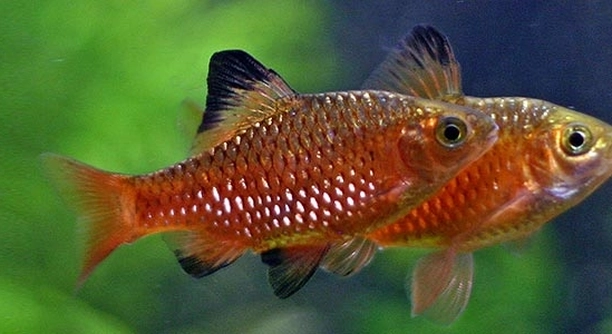
Are your Rosy Barbs looking a little dull lately, even though you’re feeding them well and keeping their tank clean? Bright, healthy color is one of their best features, and it’s worth preserving.
The easiest way to brighten Rosy Barb color is by improving water quality, offering a varied diet with color-enhancing ingredients, and providing the right lighting. These factors support natural pigment development and help maintain vibrant, healthy coloration.
A few small changes in care can bring out richer reds and deeper tones in your fish. Let’s look at what really works.
Feed Color-Enhancing Foods
Rosy Barbs naturally show brighter color when they eat a balanced diet that includes pigments like carotenoids. Foods such as brine shrimp, daphnia, bloodworms, and high-quality flakes with spirulina or astaxanthin can help boost red and orange shades. You don’t need anything fancy or expensive—just a consistent mix of fresh and prepared foods. Frozen options are convenient and hold nutrients well. Try rotating protein-rich meals a few times a week while keeping their regular flake or pellet as the base. Always check the ingredients and avoid fillers that offer little value. Fish fed this way usually look more vibrant within a few weeks.
Give them a little variety and rotate foods instead of sticking to the same thing every day. Even simple changes in diet can show visible improvements in color.
Color comes from the pigments in their food, so the richer the nutrients, the more intense the red tones you’ll see. Over time, this makes a noticeable difference.
Provide Consistent Lighting
Fish color can fade if they don’t get enough light during the day. A reliable light schedule helps keep their color bright and even.
Rosy Barbs benefit from 8 to 10 hours of consistent lighting per day. Using a timer can help maintain this routine without much effort. LED aquarium lights work well, especially those with a full spectrum setting. Natural-looking light brings out their color, especially in planted tanks. Avoid sudden lighting changes or keeping them in darkness for long periods. This can affect both color and behavior. Make sure the tank isn’t placed where light comes and goes throughout the day—like near windows with changing sun patterns. Stable lighting conditions keep stress low, which also helps improve color. When their environment stays predictable, you’ll notice your Rosy Barbs showing deeper reds and more contrast along their fins and body. Keep an eye on your lighting setup, as even small adjustments can make a clear difference.
Keep the Water Clean and Stable
Poor water conditions can dull your Rosy Barb’s color fast. Regular maintenance keeps their environment healthy and reduces stress, which helps preserve their bright appearance. Clean water supports their immune system and makes it easier for their natural colors to develop fully.
Change about 25–30% of the tank water each week to prevent waste buildup. Use a good water conditioner and make sure the temperature stays between 72–78°F. Test the water regularly for ammonia, nitrites, and nitrates. Spikes in these levels can harm their health and dull their color. A quality filter should be running at all times, and overfeeding should be avoided to reduce excess waste. Keep the tank gravel vacuumed and remove uneaten food. Rosy Barbs do best in a steady, clean environment, and their color often improves after just a few weeks of regular care.
Ammonia and nitrite levels should always stay at zero. Nitrates can be kept below 20 ppm with consistent water changes and plant support. If you notice your fish losing color suddenly, it’s usually a sign of unstable water or stress. Keep the tank covered to prevent sudden changes in temperature or lighting. A peaceful and balanced setup encourages healthy behavior and brighter color.
Avoid Overcrowding
Too many fish in a small tank causes stress and can affect your Rosy Barb’s color. Overcrowding limits space, lowers oxygen levels, and makes it harder to keep water clean. They need room to swim and interact peacefully.
Keep at least a 20-gallon tank for a small group of Rosy Barbs, with a good balance between males and females. Aim for around five or six barbs to avoid aggression, but don’t go beyond what your filter and tank can handle. Crowded tanks lead to territorial behavior and stress, which causes color to fade. Watch for signs like chasing or hiding, and give them hiding spaces with plants or decorations. A peaceful tank helps your fish stay active and healthy, and it keeps their color from dulling. Enough room, proper filtration, and balanced stocking make a big difference in how your fish look and behave.
Keep Tank Temperature Consistent
Fluctuating temperatures can stress your Rosy Barbs and dull their color. Use a reliable heater and thermometer to keep the water between 72–78°F. Sudden drops or spikes can affect their health and appearance over time.
Avoid placing the tank near windows, vents, or drafty areas. Even small temperature swings can weaken their immune system and lead to color loss. Consistency helps them stay calm and bright.
Reduce Stress From Tank Mates
Rosy Barbs do better with peaceful, active fish that don’t nip or compete aggressively. Avoid housing them with slow or timid species. Good tank mates include other barbs, danios, and similar fast-swimming fish. Aggression from the wrong tank mates can lead to stress, which weakens color and affects behavior. Choose companions that match their energy level and leave plenty of space for all. Monitor group behavior often, especially after adding new fish. If chasing or hiding becomes frequent, it’s a sign that the mix isn’t working well. Keeping the tank calm supports healthier, brighter Rosy Barbs.
Add Natural Plants
Live plants offer shelter and help reduce stress. They also improve water quality, which supports healthy color in Rosy Barbs. Choose hardy plants like java fern or anubias that thrive in low to medium light.
FAQ
What is the best food to improve Rosy Barb color?
Foods high in carotenoids and protein work best. Look for flakes or pellets that list spirulina, astaxanthin, or krill meal as ingredients. These help bring out red and orange tones naturally. Supplement with frozen or live foods like brine shrimp, bloodworms, or daphnia two to three times per week for variety. A balanced feeding schedule helps them absorb nutrients more efficiently.
How long does it take to see color improvement?
You can usually see changes in color within two to four weeks, depending on the fish’s overall health and how consistent the care is. Improved diet, clean water, and stable lighting all work together. Some fish respond faster than others, but steady care usually brings visible results within a month.
Can Rosy Barbs lose color from stress?
Yes, stress is one of the main reasons color fades. Common causes include poor water quality, aggressive tank mates, sudden changes in lighting or temperature, and overcrowding. When Rosy Barbs are stressed, their colors often appear dull or pale. Reducing stress helps restore natural color.
Should I use color-enhancing products?
You don’t need chemical additives or artificial enhancers. A healthy diet and proper care are usually enough. Some commercial foods are labeled as “color-enhancing” but focus on natural ingredients instead of dyes. Avoid products with artificial colorants, as they may not offer real nutritional value.
Does lighting really affect their color?
Yes, proper lighting helps show and support natural coloration. A full-spectrum LED light enhances red tones and supports plant health too. Aim for 8 to 10 hours of light daily. Inconsistent or poor lighting can cause colors to fade or become uneven over time.
Can overfeeding affect color?
Overfeeding leads to dirty water, which increases stress and affects color. Leftover food breaks down and raises ammonia levels. Feed small amounts once or twice a day—only what they can finish in a few minutes. Consistent feeding habits support their digestion and energy levels, both of which influence appearance.
Do Rosy Barbs change color as they age?
Color can deepen as they mature, especially in males. Young Rosy Barbs often start with lighter shades that intensify over time with good care. Some changes are natural, but sudden dullness may still point to a problem with diet, water, or tank mates.
Why does only one of my Rosy Barbs look pale?
That fish may be stressed, sick, or getting picked on. Check for signs of injury or poor behavior from other tank mates. Isolate the fish if needed to reduce stress and monitor recovery. Pale color in just one fish usually means something specific is going on with that individual.
How often should I change the water to help with color?
Change 25–30% of the water weekly. This removes waste and maintains stable conditions. Clean water supports healthy gills and scales, which improves how color shows through. Stick to a regular schedule and use water conditioners if your tap water contains chlorine or heavy metals.
Are plants necessary for bright colors?
Plants aren’t required, but they help. Live plants offer shelter, reduce stress, and support better water quality—all of which improve color. Rosy Barbs feel more secure in planted tanks, which brings out their natural behavior and coloration. Java fern, anubias, and hornwort are good choices.
Final Thoughts
Keeping Rosy Barbs colorful doesn’t require anything fancy. With the right care, their bright red and orange tones stay strong and healthy. The key is to keep their environment stable, feed them a variety of nutritious foods, and give them enough space to swim. When the tank is clean, the lighting is steady, and the water conditions are good, they naturally show more color. It doesn’t happen overnight, but small, steady changes can make a big difference. These fish are hardy, and when they feel secure, their colors become more vibrant without needing special treatments.
Watching your Rosy Barbs change from pale to bright red can be rewarding. You’ll notice small improvements after a few weeks of better food or cleaner water. If you keep your tank in good shape, your fish will not only look better but also act more active and social. That’s a good sign they’re healthy. Many people assume color loss is just part of aging, but it often points to stress or poor conditions. Paying attention to small signs—like behavior, appetite, and how they interact—helps you understand what might need adjusting. A simple fix like adding a plant or changing the light schedule can bring color back.
Rosy Barbs are beautiful fish, and with a little attention to their care, they can stay that way for a long time. There’s no need for harsh additives or risky methods. Just focus on what they need: a clean home, healthy food, and calm surroundings. Every part of their care—from tank mates to lighting—can affect their color. If you take your time and adjust things slowly, you’ll see what works best in your setup. Even if your fish don’t look perfect right away, don’t give up. Their natural color will return as their health improves. Keeping them bright isn’t about doing more—it’s about doing the basics well.

Hello,
If you enjoy the content that we create, please consider saying a "Thank You!" by leaving a tip.
Every little bit helps us continue crafting quality advice that supports the health, happiness, and well-being of pets around the world, for pets of all shapes, sizes, and species.
We really appreciate the kindness and support that you show us!