
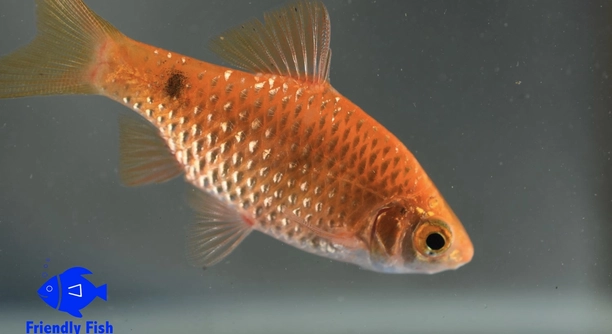
Rosy Barbs are popular freshwater fish admired for their vibrant colors and lively behavior. However, their swimming patterns sometimes appear erratic, making them seem lost or disoriented in the aquarium environment. This unusual movement often catches the attention of hobbyists.
The erratic swimming behavior of Rosy Barbs is primarily caused by environmental stressors, such as poor water quality, inadequate tank conditions, or illness. These factors disrupt their natural instincts and motor functions, resulting in seemingly aimless or confused movement.
Understanding what causes this behavior can help improve their living conditions and overall health, ensuring they thrive in home aquariums.
Causes of Erratic Swimming in Rosy Barbs
Rosy Barbs may swim erratically due to several environmental and health-related reasons. One common cause is poor water quality. When ammonia, nitrite, or nitrate levels rise, fish become stressed, leading to strange swimming patterns. Another factor is insufficient oxygen in the water, which can make them gasp for air or swim irregularly. Tank size and overcrowding also impact their behavior; cramped spaces restrict movement and increase stress. Disease or parasites can affect their nervous system, causing disorientation. Additionally, sudden changes in temperature or water chemistry can shock Rosy Barbs, disrupting their normal swimming. Keeping a stable, clean tank with proper filtration, aeration, and a balanced number of fish helps maintain their natural swimming behavior and prevents erratic movements.
Regular water testing and maintenance are essential to avoid these issues and keep your Rosy Barbs healthy and active.
Maintaining optimal tank conditions will reduce stress and support natural swimming patterns, ensuring your Rosy Barbs remain lively and healthy over time.
Signs of Stress and Illness in Rosy Barbs
Erratic swimming often signals stress or illness in Rosy Barbs. Early detection helps prevent serious problems.
Stress and illness manifest in several ways beyond just swimming behavior. Fish may lose appetite, show faded colors, or isolate themselves from others. Physical signs like clamped fins, spots, or abnormal growths also indicate health problems. Internal issues such as swim bladder disorder can affect buoyancy, causing fish to swim unevenly or float abnormally. Parasites and bacterial infections disrupt their nervous system, leading to disorientation. Identifying these signs early allows for timely treatment and environmental adjustments. Regular observation helps catch issues before they worsen. Ensuring good water quality, a nutritious diet, and proper tank setup reduces the chances of stress and illness, helping your Rosy Barbs stay strong and active.
Preventive care and monitoring improve the overall well-being of your fish, contributing to a stable and vibrant aquarium environment.
How Tank Setup Affects Swimming Behavior
Tank size directly impacts how Rosy Barbs swim. Smaller tanks restrict their movement, causing stress and erratic swimming. Proper filtration and aeration ensure clean water and enough oxygen, promoting smooth swimming.
A well-maintained tank with enough space allows Rosy Barbs to swim naturally and reduces stress. Overcrowding increases competition for resources, leading to aggressive or restless behavior. Decorations and plants provide hiding spots, which can help reduce anxiety but should not overcrowd swimming areas. Keeping water temperature stable and within the ideal range for Rosy Barbs also supports normal behavior.
Balancing tank size, decoration, and water quality creates a comfortable environment for Rosy Barbs. This reduces erratic swimming and improves their overall well-being, making your aquarium more enjoyable.
Feeding and Its Influence on Swimming Patterns
Feeding habits affect the activity levels and swimming patterns of Rosy Barbs. Overfeeding or poor diet can lead to health problems that disrupt normal movement.
An unbalanced diet may cause digestive issues and obesity, affecting buoyancy and causing erratic swimming. Overfeeding increases waste, deteriorating water quality and stressing fish. Feeding small portions regularly supports stable energy levels and natural behavior. A varied diet rich in proteins and vitamins strengthens immune systems and reduces susceptibility to illness. Observing how Rosy Barbs react to feeding can give clues about their health and comfort in the tank.
Proper feeding practices combined with good tank conditions help maintain consistent, healthy swimming behavior. This ensures your fish remain active and vibrant.
Common Behavioral Patterns of Rosy Barbs
Rosy Barbs are naturally active swimmers, often exploring their environment. Their quick darting motions help them avoid threats in the wild. These fish also display schooling behavior, swimming closely with others for safety and social interaction.
Erratic swimming can sometimes occur during feeding or when startled. This is usually temporary and not a cause for concern unless it persists.
Importance of Water Quality Maintenance
Maintaining water quality is essential to prevent stress-related behaviors in Rosy Barbs. Regular testing for ammonia, nitrite, nitrate, and pH levels ensures a healthy environment. Frequent water changes help remove toxins and keep the water clear. Using a reliable filter and avoiding overfeeding further supports water cleanliness. Consistent water quality stabilizes the fish’s behavior and prevents erratic swimming caused by discomfort or illness.
When to Consult a Veterinarian
If erratic swimming continues despite proper tank care, it may indicate illness. Consulting a veterinarian specialized in fish health is recommended to diagnose and treat underlying problems promptly.
FAQ
Why do my Rosy Barbs swim in circles?
Swimming in circles can be a sign of stress, illness, or injury. Sometimes, it indicates swim bladder problems, which affect their ability to control buoyancy. Poor water quality or sudden changes in temperature may also cause this behavior. Checking water parameters and observing other symptoms can help determine the cause.
How can I improve my Rosy Barbs’ swimming behavior?
Improving water quality through regular testing and water changes is key. Make sure the tank size is appropriate and not overcrowded. Provide hiding spots but leave plenty of open swimming space. Feeding a balanced diet in moderate amounts also supports healthy behavior.
Is erratic swimming always a sign of illness?
Not always. Rosy Barbs may swim erratically when startled or during feeding excitement. However, if the behavior is persistent, it could indicate stress, poor water conditions, or disease. Monitor the fish closely for additional symptoms like lethargy or color changes.
Can tank mates cause erratic swimming in Rosy Barbs?
Yes, aggressive or incompatible tank mates can stress Rosy Barbs and cause unusual swimming. Ensure that tank mates are peaceful and have similar water requirements. Overcrowding can also increase stress, leading to erratic movements.
What water conditions do Rosy Barbs need to swim properly?
Rosy Barbs prefer a temperature between 64°F and 72°F, pH between 6.0 and 8.0, and low levels of ammonia and nitrites. Good filtration and oxygenation are important. Stable water parameters reduce stress and encourage natural swimming.
How often should I clean the tank to prevent erratic swimming?
A partial water change of 20-30% every week helps maintain water quality. Clean the filter regularly but avoid washing beneficial bacteria away. Regular cleaning reduces toxins and keeps the environment comfortable for your fish.
What are the signs of swim bladder disease?
Signs include difficulty swimming, floating upside down, or swimming in circles. Affected fish may struggle to maintain balance. Swim bladder disease can result from poor diet, infection, or injury. Treatment involves improving water quality and feeding easily digestible foods.
Can diet affect my Rosy Barbs’ swimming?
Yes, an unbalanced diet can lead to digestive issues, affecting buoyancy and movement. Overfeeding can cause water quality problems that stress the fish. Providing a varied diet with quality flakes, pellets, and occasional live or frozen food supports health and stable swimming.
How do I know if my Rosy Barbs are stressed?
Stress signs include rapid breathing, hiding, loss of appetite, faded colors, and erratic swimming. Stress often results from poor water conditions, overcrowding, or aggressive tank mates. Addressing these factors helps calm the fish and improve their swimming.
When should I seek professional help for my Rosy Barbs?
If abnormal swimming continues despite good tank care, or if you notice physical symptoms like spots, swelling, or damaged fins, consult a vet. Early diagnosis and treatment improve recovery chances and prevent disease spread.
Are Rosy Barbs sensitive to sudden changes in their environment?
Yes, sudden changes in temperature, lighting, or water chemistry can cause stress and erratic swimming. Introduce changes gradually and keep the tank stable to help your fish adapt smoothly.
Can poor oxygen levels cause Rosy Barbs to swim oddly?
Low oxygen levels make fish gasp at the surface and swim erratically. Ensuring good aeration through filters or air stones helps maintain adequate oxygen and normal behavior.
Is it normal for Rosy Barbs to have occasional bursts of fast swimming?
Yes, sudden fast swimming or darting is normal during play, feeding, or as a reaction to stimuli. Persistent frantic movement, however, may indicate stress or health issues.
How important is tank size for Rosy Barbs?
Tank size greatly affects behavior. A minimum of 20 gallons is recommended for a small group to allow free swimming. Too small a tank can cause stress, leading to erratic movements and health problems.
What can I do to prevent disease-related swimming problems?
Maintain clean water, provide a balanced diet, avoid overcrowding, and quarantine new fish before adding them to the tank. Regular observation helps catch issues early before swimming problems worsen.
Rosy Barbs are lively and colorful fish that add energy to any aquarium. Their swimming behavior can sometimes seem unusual or erratic, which often signals a need for attention to their environment or health. Understanding the common reasons behind their strange swimming can help you create a better habitat and keep them healthy. Stress from poor water quality, overcrowding, or incompatible tank mates is a leading cause. By regularly checking water parameters and ensuring the tank is spacious enough, you can reduce stress and help your Rosy Barbs swim smoothly and naturally.
Health issues such as swim bladder problems, infections, or parasites can also affect how Rosy Barbs move. Watching for other signs like loss of appetite, faded colors, or unusual physical changes is important for early detection. A balanced diet and proper feeding habits play a key role in maintaining their well-being. Overfeeding or poor nutrition can cause digestive problems, which may result in buoyancy issues and erratic swimming. Providing varied and nutritious food supports their immune system and energy levels, encouraging normal behavior.
Consistent tank maintenance and observing your fish daily are the best ways to prevent and address swimming problems. Regular water changes, good filtration, and proper aeration create a stable environment that supports healthy fish behavior. When problems persist despite good care, consulting a veterinarian experienced with fish is important to identify and treat illnesses. Paying close attention to your Rosy Barbs’ behavior helps ensure they stay active, vibrant, and comfortable in their home. This knowledge helps you enjoy a thriving aquarium with happy fish.

Hello,
If you enjoy the content that we create, please consider saying a "Thank You!" by leaving a tip.
Every little bit helps us continue crafting quality advice that supports the health, happiness, and well-being of pets around the world, for pets of all shapes, sizes, and species.
We really appreciate the kindness and support that you show us!