
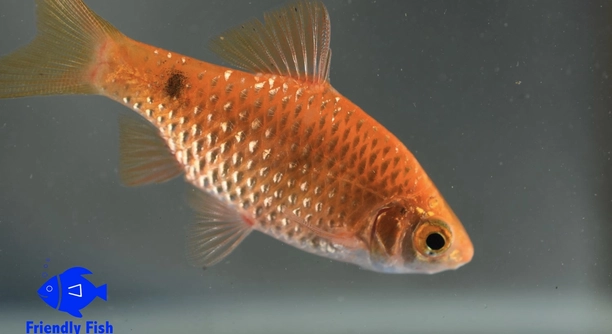
Rosy barbs are colorful freshwater fish known for their lively behavior and bright appearance. They often show flashes of color along their sides, catching the attention of many aquarium hobbyists. Understanding why they do this can help you better care for them.
Rosy barbs flash their sides mainly to communicate different states such as mating readiness, territorial defense, or stress response. This flashing can also signal social hierarchy or alertness to environmental changes, making it a crucial behavior for their survival and interaction.
Recognizing these reasons helps create a more comfortable environment for your fish and improves their well-being over time.
Mating and Courtship Displays
During mating season, rosy barbs often flash their sides to attract partners. The bright colors become more intense as males show off their health and vitality. This flashing is a way to signal readiness to mate, helping to ensure successful reproduction. Females respond to these displays by choosing the most vibrant males, which improves the chances of healthy offspring. This behavior is common in many fish species and is an important part of their natural cycle.
This flashing can last from a few seconds to several minutes during courtship. It’s normal and usually harmless.
If you notice your rosy barbs flashing more often, it could mean they are preparing to breed. Providing clean water and proper nutrition will support this natural process and keep your fish healthy during this active phase.
Territorial Behavior
Rosy barbs use side flashing to mark their territory. When they feel threatened or want to protect a space, they display their colors more vividly to warn other fish. This behavior helps reduce physical fights by establishing clear boundaries. It is common in tanks with limited space or multiple fish competing for spots. Watching this behavior can help you identify when the tank environment needs adjustment.
Territorial flashing is a sign of dominance and space guarding.
If the flashing becomes constant or aggressive, it might mean the tank is overcrowded. Adding more plants or decorations can give fish places to hide and reduce stress. Also, increasing tank size or lowering the number of fish can help minimize territorial disputes. Keeping the environment balanced makes for calmer and happier rosy barbs.
Stress and Warning Signals
Flashing their sides can be a way for rosy barbs to signal stress or discomfort. This behavior often occurs when the fish feel threatened or sense changes in their environment.
When stressed, rosy barbs show brighter colors as a warning to others. This flashing can mean they are uneasy due to poor water quality, sudden movements, or aggressive tank mates. It is important to observe their environment carefully and make adjustments if needed. Providing stable water conditions and hiding places can help reduce stress levels.
Ignoring these signals may lead to health problems or aggressive behavior. Monitoring your fish’s flashing and addressing the cause promptly helps maintain a calm and healthy tank. Taking action early ensures your rosy barbs feel safe and thrive in their space.
Social Interaction and Hierarchy
Rosy barbs use side flashing to communicate their social status within the group. More dominant fish tend to flash more brightly, showing their position clearly to others.
This behavior helps avoid unnecessary fights by establishing who is in charge. Fish lower in the hierarchy may flash less or avoid direct displays to prevent conflict. Social flashing keeps the group stable and balanced. Understanding this can help you interpret the interactions between your fish.
By providing enough room and resources, you reduce competition and help keep social flashing peaceful. Observing these patterns reveals a lot about the dynamics inside your aquarium, making it easier to support your fish’s needs.
Environmental Changes
Rosy barbs flash their sides when sensing changes in their environment. This can include shifts in temperature, lighting, or water chemistry.
Such flashing acts as a way to communicate uncertainty or alertness to others. It helps the group respond quickly to new conditions and stay safe.
Health and Illness Indicators
Flashing may also indicate health issues. Fish experiencing parasites, infections, or discomfort might show more intense or frequent flashing. It’s a natural response to irritation or pain. Monitoring this behavior can help detect problems early before they worsen. Keeping the tank clean and checking water parameters regularly supports your fish’s health and reduces flashing caused by illness.
Feeding Time Behavior
Rosy barbs sometimes flash their sides during feeding. This excitement shows their eagerness and alertness as they compete for food.
Seasonal Changes
Flashing can increase with seasonal changes, reflecting natural cycles in behavior and activity levels.
Why do rosy barbs flash their sides so often?
Flashing their sides is a natural way for rosy barbs to communicate. It can mean they are feeling excited, stressed, or are trying to show dominance. Sometimes it happens during mating or when they sense changes in their surroundings. Frequent flashing may also signal discomfort, so it’s important to watch for other signs like changes in behavior or appetite.
Is flashing always a sign of stress or illness?
Not always. While flashing can indicate stress or health problems, it often serves other purposes like mating displays or social communication. However, if flashing is accompanied by clamped fins, lethargy, or loss of appetite, it may mean the fish is unwell and needs attention.
How can I tell if flashing means aggression or courtship?
Aggressive flashing usually happens alongside chasing or fin nipping, and the colors may appear sharper or more intense. Courtship flashing is more rhythmic and often includes swimming patterns like circling. Watching their behavior closely helps identify the reason behind the flashing.
Can tank conditions affect flashing behavior?
Yes, poor water quality, overcrowding, or sudden changes in temperature can increase flashing as a stress response. Clean water, proper tank size, and stable conditions help reduce unnecessary flashing caused by discomfort.
Should I separate flashing rosy barbs from others?
Separation isn’t always necessary. Flashing is normal in social groups, but if it leads to aggressive behavior or injury, separating the fish temporarily might help. Adjusting tank space or adding hiding spots often reduces conflict without needing to isolate them.
Does flashing mean the fish are happy?
Flashing itself doesn’t always mean happiness, but bright colors and active behavior often indicate good health and comfort. Calm, healthy fish may flash during positive social interactions or play.
How can I reduce unwanted flashing in my tank?
Improving tank conditions is key. Regular water changes, maintaining proper temperature, and avoiding overcrowding help calm your fish. Adding plants or decorations can give them places to hide and reduce stress-driven flashing.
Is flashing more common during certain times of the year?
Yes, seasonal changes can affect their behavior. Flashing tends to increase during breeding seasons or when environmental conditions shift, reflecting natural cycles in activity.
Do all rosy barbs flash their sides?
Most rosy barbs display this behavior, but intensity varies by individual and environment. Some may flash more than others depending on their health, mood, or social rank.
Can flashing damage the fish?
Flashing itself doesn’t cause harm; it’s a natural behavior. However, if flashing is linked to stress or aggression, it could lead to injury or illness over time if the cause isn’t addressed.
Rosy barbs flashing their sides is a common behavior with many reasons behind it. Whether it is part of their mating ritual, a way to show dominance, or a response to stress, this flashing is an important form of communication for the fish. Understanding why they do this can help you take better care of them. When you notice your rosy barbs flashing, it’s a good idea to look at their environment and behavior to see what might be causing it. Sometimes it’s simply a natural part of their social life, while other times it could mean they need some changes in their tank or extra care.
Keeping the tank clean and stable is one of the best ways to reduce stress-related flashing. Rosy barbs are sensitive to changes in water quality, temperature, and overcrowding. Making sure their home is comfortable and safe will help them feel more secure. Adding plants, hiding spots, or decorations can give them places to retreat, which lowers tension. Also, observing how they interact can tell you a lot about their social order and well-being. Flashing as a sign of social behavior helps maintain peace, but if it turns aggressive, changes might be needed to improve their conditions.
Overall, flashing is a natural and useful behavior for rosy barbs. Paying attention to when and why they flash can give you clues about their health and happiness. By providing good water conditions, enough space, and a calm environment, you support your fish’s needs and reduce flashing caused by problems. With proper care, your rosy barbs will show off their beautiful colors in healthy ways, making your aquarium a lively and enjoyable place to watch.

Hello,
If you enjoy the content that we create, please consider saying a "Thank You!" by leaving a tip.
Every little bit helps us continue crafting quality advice that supports the health, happiness, and well-being of pets around the world, for pets of all shapes, sizes, and species.
We really appreciate the kindness and support that you show us!