
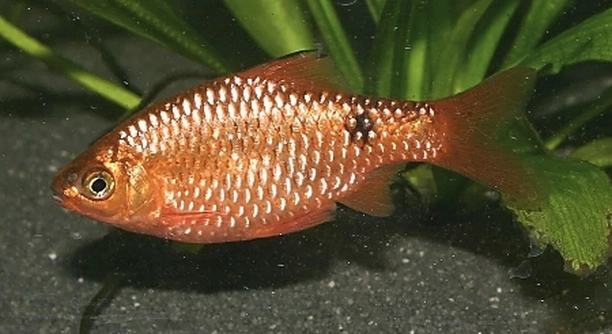
Rosy barbs are popular freshwater fish known for their bright colors and lively nature. Many people enjoy keeping them in home aquariums. These fish sometimes show unusual behaviors that might seem odd but are perfectly normal.
Rosy barbs exhibit several strange yet harmless behaviors such as fin flicking, chasing each other, and sudden darting movements. These actions are natural social interactions or responses to their environment and do not indicate any health problems or distress.
Observing these behaviors can help you better understand your fish and enjoy their unique personalities even more.
Fin Flicking and Tail Wagging
Fin flicking and tail wagging are common behaviors in rosy barbs. You might notice your fish quickly moving its fins or wagging its tail back and forth. This usually happens when they are excited or alert. Sometimes, it can be a way to communicate with other fish in the tank. It can also mean they are exploring their surroundings or reacting to changes in water conditions. These movements are quick and often repeated, making your fish look lively and active. Fin flicking is harmless and does not cause injury to your fish. It is simply part of how they express themselves. Understanding this behavior helps in knowing when your fish are comfortable or reacting to something new.
This behavior is completely normal and shows your rosy barbs are healthy and engaged with their environment.
Watching fin flicking and tail wagging can add interest to your aquarium. It lets you see how your fish interact and respond to each other. These subtle signs are part of their natural habits and help keep them active and entertained.
Chasing and Playing
Chasing is another behavior often seen among rosy barbs. This activity looks like a game, where one fish follows another quickly around the tank. It is a social behavior that helps establish group order and can be a form of exercise. When chasing happens without aggression, it means the fish are comfortable with each other. They might dart through plants or swim fast along the tank walls. This play-like behavior helps reduce boredom and keeps the fish physically fit. However, if chasing becomes too rough, it might stress weaker fish, so keeping an eye on their interactions is important.
In some cases, chasing also helps young rosy barbs learn how to swim and hunt. It builds their coordination and social skills as they grow. These active moments are natural and part of their daily life. Providing enough space and hiding spots makes chasing safer and more enjoyable for your fish. Proper tank setup supports healthy social behavior and reduces stress in your rosy barbs.
When you notice chasing and playing, it shows your fish are lively and engaged. Their interaction is a positive sign of a well-maintained environment and a balanced fish group. Observing this can give you better insight into their behavior and help you create a comfortable home for them.
Sudden Darting Movements
Sudden darting is a quick burst of speed your rosy barbs may show. This fast swimming usually happens when they feel startled or want to explore a new area. It’s a natural reaction and not a sign of illness.
These sudden movements can be triggered by changes in light, noises near the tank, or unfamiliar objects in their environment. Rosy barbs are naturally curious and sometimes respond quickly to new stimuli. This behavior helps them avoid potential threats or simply express energy. If the tank environment is stable, these darting episodes will be short and occasional.
Occasional darting is healthy and normal. However, if your fish constantly dart, it could mean the water quality needs checking or there is stress from overcrowding. Making sure the tank conditions are right helps keep these movements balanced and your fish calm.
Nipping and Pecking
Nipping at fins or pecking on other fish is common among rosy barbs. It is a social behavior used to establish hierarchy or get attention. Usually, this behavior is mild and does not cause harm.
Sometimes, nipping can become frequent if the tank is crowded or if the fish feel stressed. It’s important to observe how your fish react to each other. Providing enough space and hiding spots can reduce this behavior. If it gets aggressive, separating the affected fish might be necessary. This behavior is part of their social interaction, but it needs monitoring to prevent injury.
When nipping happens in small amounts, it is part of healthy social dynamics. It helps maintain order within the group and lets the fish communicate their place in the tank. Proper care and tank setup minimize negative effects and keep your rosy barbs peaceful.
Resting in Odd Positions
Rosy barbs sometimes rest near the bottom or at strange angles in the tank. This behavior is normal and often means they are relaxing or digesting food.
They may also pause near plants or decorations to feel secure. It’s a sign they feel safe in their environment.
Swimming Against the Current
Rosy barbs enjoy swimming against gentle water currents. This activity helps keep them active and strengthens their muscles. They often do this near filters or bubbler areas where water movement is steady.
Flashing Colors
Occasionally, rosy barbs will flash brighter colors. This usually happens during social interactions or when they feel excited. It’s a harmless way to show mood or attract attention within the group.
Why do rosy barbs flick their fins so often?
Fin flicking is a natural way for rosy barbs to communicate and express alertness. It often happens when they are excited or curious about something in their tank. This behavior does not mean they are stressed or sick. Instead, it shows they are active and aware of their surroundings. Regular fin flicking is a good sign that your fish are healthy and comfortable in their environment.
Is chasing among rosy barbs harmful?
Chasing is a common social behavior where rosy barbs swim after each other quickly. Most of the time, it is harmless and part of how they interact. It can help establish a social hierarchy and provide exercise. However, if chasing turns aggressive or one fish is repeatedly targeted, it may cause stress or injury. Ensuring enough space and hiding spots in the tank helps keep chasing playful and safe.
What causes sudden darting movements in rosy barbs?
Sudden darting is usually a reaction to a surprise or quick change in the environment. Bright lights, loud noises, or new objects can startle them. It is their natural defense mechanism to avoid danger. While these bursts are normal, constant darting might indicate stress or poor water quality. Regular tank maintenance and a calm setting can reduce frequent darting.
Why do rosy barbs nip at each other’s fins?
Nipping is part of the social order among rosy barbs. They use it to communicate dominance or gain attention. Mild nipping is normal and generally does not harm the fish. If nipping becomes excessive, it can cause injury or stress. Overcrowding or lack of hiding places often increases nipping. To reduce this, keep the tank well-spaced and provide plants or decorations for shelter.
Are rosy barbs resting near the bottom of the tank okay?
Yes, it is normal for rosy barbs to rest near the bottom or in unusual positions. This behavior often occurs when they are digesting food or simply relaxing. If the fish seem otherwise healthy and active at other times, resting in these spots is not a concern. However, if resting is constant and accompanied by other signs like loss of appetite, check water quality or health.
Why do rosy barbs swim against the current?
Swimming against the current helps keep rosy barbs active and strengthens their muscles. They are naturally energetic fish that enjoy moving through flowing water. Areas near filters or bubbler devices are common spots where you’ll see this behavior. This activity is beneficial for their fitness and mental stimulation, making it an important part of their routine.
What causes rosy barbs to flash bright colors suddenly?
Color flashing usually happens during social interactions, mating displays, or excitement. It is a harmless way for rosy barbs to show their mood or attract attention from other fish. Bright colors can indicate good health and strong social status. If colors fade or fish look dull, it may signal stress or illness, so regular care is essential.
How can I tell if my rosy barbs are stressed?
Signs of stress include constant hiding, loss of appetite, excessive darting, or aggressive behavior like severe fin nipping. Stress can result from poor water conditions, overcrowding, or sudden changes in the tank environment. Keeping the water clean, maintaining proper temperature, and providing enough space help reduce stress and keep rosy barbs happy.
Is it normal for rosy barbs to act differently at night?
Rosy barbs are generally less active at night, often resting or swimming slowly. This change in behavior is natural and similar to a sleep cycle. If they become very inactive or hide excessively during the day, it might be a problem. Normal nighttime behavior includes resting near plants or decorations without showing signs of illness.
What tank conditions best support healthy rosy barb behavior?
Rosy barbs thrive in well-maintained tanks with clean, well-filtered water. A temperature between 72-78°F (22-26°C) and a pH around 6.5-7.5 is ideal. Providing plenty of swimming space, plants, and hiding spots encourages natural behaviors like chasing, darting, and resting. Regular water changes and avoiding overcrowding help keep them healthy and active.
Rosy barbs are lively fish with many unique behaviors that can seem strange at first. These behaviors, like fin flicking, chasing, darting, and nipping, are usually harmless and part of their natural way of living. Understanding these actions helps in caring for your fish properly and creates a more enjoyable experience when watching them. It also allows you to tell when something might really need attention, like signs of stress or illness. Keeping an eye on their behavior is an important part of being a responsible fish keeper.
Many of the strange behaviors shown by rosy barbs are ways they communicate or respond to their environment. For example, chasing helps them establish social order, while flashing bright colors can show excitement or mood changes. Even resting in odd positions is normal for these fish and shows they feel safe. Providing the right tank conditions, such as clean water, enough space, and hiding spots, supports these behaviors and keeps your fish healthy. When their environment is good, your rosy barbs will express their natural personality more fully.
Taking care of rosy barbs means learning to accept and appreciate their quirky actions. It can be rewarding to notice how they interact and express themselves. By keeping their home comfortable and stable, you allow them to thrive and show their true colors—both literally and figuratively. Watching their harmless but strange behaviors can make aquarium keeping more interesting and satisfying. Overall, understanding and accepting these behaviors helps you create a better life for your rosy barbs and enjoy their company for a long time.

Hello,
If you enjoy the content that we create, please consider saying a "Thank You!" by leaving a tip.
Every little bit helps us continue crafting quality advice that supports the health, happiness, and well-being of pets around the world, for pets of all shapes, sizes, and species.
We really appreciate the kindness and support that you show us!