
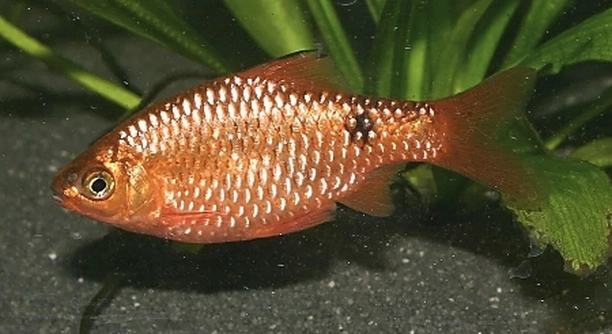
Have you ever watched your fish gather near the glass whenever you walk by and wondered if they actually recognize you?
Rosy barbs can learn to associate their keeper with feeding, showing behavioral signs of recognition through repeated visual and movement cues, particularly when food is involved.
Feeding time might be more meaningful than you think, and there’s more to your rosy barbs’ behavior than just hunger.
How Rosy Barbs React During Feeding
Rosy barbs are active and social fish that often become more responsive during feeding times. Many keepers notice their fish gathering near the front of the tank when someone approaches. This is not random behavior—it usually indicates that the fish have learned to associate movement outside the tank with being fed. Over time, rosy barbs can connect your presence with food, especially if feeding happens around the same time each day. Their behavior becomes more predictable, with quick swimming, crowding near the surface, or even following your movement along the tank. These responses are reinforced through repetition and timing. Even the sound of the container or lid opening may trigger excitement. This shows their ability to form simple associations, much like other animals. While this recognition is mostly tied to food, it still reflects a basic form of learning and memory. It’s fascinating to see how they respond consistently.
Some rosy barbs may even respond more to one person if they are the main one feeding them regularly.
While their recognition isn’t the same as how a dog or cat might recognize someone, it’s clear that rosy barbs do notice patterns. They aren’t just reacting to the food—they’re responding to the routine and the person behind it.
Signs Your Rosy Barbs Recognize You
Rosy barbs tend to swim toward the front when they see movement, especially close to feeding time.
When rosy barbs begin to associate your actions with feeding, they may display energetic swimming, rise to the water’s surface, or cluster in a group when you come near. Some keepers report their fish waiting in a specific area of the tank where food is usually dropped in. Repetition plays a large role in forming this habit. If you feed them at consistent times and follow a pattern—like tapping the lid or holding the container near the glass—they’ll start to connect those actions with meals. Over time, your presence becomes a visual cue. This doesn’t mean they recognize your face, but they do respond to your behavior. These learned behaviors are a sign that they can remember simple routines and respond accordingly. It’s not complex thought, but it’s still a sign of awareness that adds a little personality to their daily feeding ritual.
Feeding Patterns That Strengthen Recognition
Feeding your rosy barbs at the same time each day helps build a routine they can rely on. Consistency makes it easier for them to link your presence with food.
Rosy barbs thrive on predictability. When you feed them regularly—same time, same spot—they begin to pick up on these patterns. They’ll learn to expect food when you approach, especially if you follow similar actions each time, like tapping the lid or moving the container near the tank. Over time, these small signals become strong enough cues that they start reacting before you even add food. Their behavior becomes more excited and focused, showing that they’re responding to learned associations. Some may even start to gather near the surface minutes before feeding time if the routine is tightly followed. This kind of repetition doesn’t just help with feeding—it builds trust and helps your fish feel more secure.
Even if you’re just walking by the tank, rosy barbs that are used to being fed by you may come closer and act more alert. Their ability to associate certain movements, sounds, or times of day with feeding shows they’re paying attention to what happens outside their tank. These subtle behaviors are often missed but can say a lot about how they process routine.
What Influences Their Learning
Tank conditions, feeding method, and repetition all play a role in how well rosy barbs respond to you over time. Small details, like lighting or noise, may also affect their behavior.
Rosy barbs are more responsive when their environment stays stable. Sudden changes in lighting, noise, or water quality can affect how they act, including how they respond to your presence. If their tank feels calm and predictable, they’ll be more likely to pick up on feeding routines and your movements. Hand-feeding or using the same type of food container each time can also help reinforce recognition. They start to link those objects and motions with food. On the other hand, irregular feeding schedules or changes in who feeds them may delay this connection. It’s not about forming deep emotional bonds, but about how they learn through consistency. A peaceful tank, familiar cues, and regular feeding all increase the chances your rosy barbs will recognize and respond to you clearly.
Differences Between Individual Fish
Some rosy barbs are quicker to respond to feeding cues than others. Personality, age, and past experiences can influence how fast they learn to associate people with food.
You might notice that one or two fish react more strongly when you come near. This is normal and shows variation in how they process routine.
Recognizing More Than Just Food
While food is the main reason rosy barbs pay attention to you, they can also respond to other familiar cues. If you clean the tank or rearrange items often, they may react differently to your presence on those days. They don’t recognize people in the way pets do, but they can become familiar with the rhythm of your movements and routines. Over time, they may even seem more relaxed when you approach, especially if you’re the one who handles most of their care. This subtle awareness builds through repetition and quiet observation.
When They Don’t Respond at All
If your rosy barbs stop reacting to feeding cues, it might be due to stress or illness. Changes in their environment can also cause them to ignore familiar routines.
FAQ
Do rosy barbs really recognize their owners?
Rosy barbs don’t recognize owners like dogs or cats do, but they can learn to associate certain people with feeding. They respond mostly to familiar movements, sounds, and routines linked to mealtime. This behavior is based on simple learning rather than emotional recognition.
How long does it take for rosy barbs to recognize feeding cues?
It usually takes a few days to a couple of weeks of consistent feeding at the same time and place for rosy barbs to start reacting. The key is repetition. When they see the same person and actions regularly, they quickly connect those cues with food.
Can rosy barbs recognize individual humans?
Rosy barbs don’t have the ability to recognize individuals in a detailed way. Instead, they recognize patterns, such as the person’s movement near the tank or the sound of the food container. This kind of recognition is more about routine than personal identity.
Why do some rosy barbs react more than others?
Individual differences play a role. Some fish are naturally more curious or bold, so they respond faster to feeding cues. Age and previous experiences can also affect how quickly they learn and how active they appear during feeding time.
What if my rosy barbs don’t respond when I approach?
If your fish don’t react, it could be because they are stressed, sick, or the feeding routine isn’t consistent. Changes in tank conditions or irregular feeding schedules can make them less responsive. Try to keep their environment stable and feed at regular times.
Does the type of food affect their recognition?
Yes. Using the same type of food and feeding method helps reinforce recognition. If you switch between flakes, pellets, or live food often, the fish might not associate the cues as clearly. Consistency helps build stronger habits.
Can rosy barbs get stressed from too much interaction?
While they enjoy feeding, too much sudden movement or tapping can stress them out. It’s best to be gentle and calm during feeding times. Stress can make them hide or ignore feeding cues, so keeping a peaceful environment is important.
Do rosy barbs remember feeding cues if I stop feeding them for a while?
They can forget associations if the routine is stopped for a long time. Like many fish, they rely on regular reinforcement. If you pause feeding or change schedules, it may take some time for them to respond again when you restart the routine.
Is it better to feed rosy barbs by hand or use a container?
Both methods work, but feeding by hand or near the glass may help fish associate you more closely with food. Using the same approach each time, whether hand-feeding or dropping food from a container, strengthens recognition through consistent cues.
Can rosy barbs recognize other pets or family members?
They mostly recognize movement and routines, so different people feeding them can influence how they respond. Fish often get used to the person who feeds them most regularly, but they don’t form personal bonds like some other pets.
What other signs show rosy barbs are comfortable around me?
If your rosy barbs swim openly and come to the front of the tank during feeding, it’s a good sign. They might also explore near your hands without hiding. Calm behavior and willingness to approach show they are used to your presence.
Will rosy barbs ever become bored with feeding routines?
Fish can get less responsive if the feeding routine is always the same without any variation. Occasionally changing the type of food or adding enrichment like floating plants may keep their interest and encourage natural foraging behavior.
How can I improve my rosy barbs’ recognition of me?
Be consistent with feeding times and actions. Approach the tank calmly, use the same gestures, and feed in a predictable way. Avoid sudden movements. Over time, your fish will learn to associate your presence with positive experiences like food.
Can rosy barbs see their reflection and confuse it with another fish?
Yes, they can see reflections and might sometimes react to it as if it’s another fish. This behavior is normal and can sometimes influence how they respond during feeding or when they see movement outside the tank.
Is it possible to train rosy barbs like other pets?
Training rosy barbs is limited to simple conditioning, mostly around feeding times. They can learn to react to cues but won’t respond to complex commands. Their learning is based on repetition and routine rather than advanced training.
Rosy barbs show a surprising ability to recognize and respond to feeding cues from their caretakers. While they don’t recognize people in the same way pets like dogs or cats do, they clearly learn to associate specific movements, sounds, and routines with mealtime. This kind of recognition is based on repeated experiences and consistency. Over time, the fish start to expect food when certain signals are present, such as your approach or the sound of the food container opening. This behavior shows their capacity for simple learning and memory, which adds an interesting dynamic to watching and caring for them.
Feeding routines play a big role in how well rosy barbs respond to you. Keeping a regular schedule helps them become familiar with your presence and the timing of their meals. They begin to notice patterns, like the time of day or the way you move near the tank. This makes feeding time more interactive and enjoyable, both for you and your fish. On the other hand, irregular feeding or sudden changes in their environment can confuse or stress them, making them less responsive. Maintaining calm tank conditions and using consistent signals during feeding improves their comfort and recognition.
It’s important to remember that while rosy barbs can show these responses, their recognition is simple and based mostly on routine rather than complex social bonds. Each fish may react differently depending on its personality, past experiences, and environment. Some might come to the front excitedly, while others remain more reserved. Understanding these differences helps in creating a caring and supportive environment for them. Watching how your rosy barbs react over time can deepen your connection and improve their wellbeing through predictable, gentle care.

Hello,
If you enjoy the content that we create, please consider saying a "Thank You!" by leaving a tip.
Every little bit helps us continue crafting quality advice that supports the health, happiness, and well-being of pets around the world, for pets of all shapes, sizes, and species.
We really appreciate the kindness and support that you show us!