
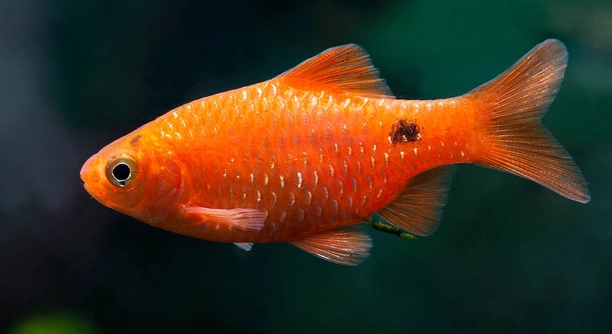
Rosy barbs are popular freshwater fish often kept in home aquariums. Many aquarium owners notice how these fish behave differently in changing water conditions. Their responses may hint at a unique ability to sense chemical shifts in their environment.
Rosy barbs can detect chemical changes in water through their sensitive sensory systems. These fish respond to variations in pH, ammonia, and other compounds, which helps them adapt and survive in different aquatic environments.
Understanding how rosy barbs sense these changes can improve aquarium care and promote healthier habitats for these lively fish.
How Rosy Barbs Sense Chemical Changes
Rosy barbs have a special set of organs called chemoreceptors that help them detect chemicals in the water. These receptors are located on their skin, gills, and inside their mouths. When the water’s chemistry changes, such as shifts in pH or the presence of harmful substances like ammonia, these receptors pick up the signals. This triggers the fish to react, often by swimming away from the affected area or changing their behavior. This ability is important because it helps rosy barbs avoid dangerous conditions and find better water to live in. It also plays a role in how they communicate with other fish, as chemical signals can indicate stress or readiness to mate. Understanding this helps aquarium owners keep their tanks healthy by watching for signs that the fish are sensing changes before the water becomes harmful.
Their chemoreceptors give rosy barbs an early warning system for water quality issues, which is crucial for their survival and wellbeing.
Knowing how these fish respond to chemical changes can help you spot problems early and take steps to improve their tank environment before things get worse.
The Role of Water Quality in Rosy Barb Behavior
Water quality directly affects how rosy barbs behave and feel. When the water is clean and balanced, these fish are more active, colorful, and social. Poor water conditions can make them stressed, less active, and prone to illness. Changes in chemical levels like pH, ammonia, and nitrate affect their health. For example, too much ammonia is toxic and can cause gill damage. Rosy barbs will try to avoid areas with poor water quality or show signs of discomfort, such as rapid breathing or hiding. Monitoring water parameters regularly is key to keeping these fish healthy. By understanding their behavior in response to water changes, you can create a safer, more stable environment for them to thrive.
Keeping water quality steady helps maintain the natural behavior and health of rosy barbs.
Chemical Sensitivity and Stress Responses
Rosy barbs show clear signs of stress when chemical levels in their water change. Stress can weaken their immune system and reduce their lifespan.
When water chemistry shifts, rosy barbs may become less active, lose their vibrant colors, or even stop eating. These behaviors are signals that the fish are struggling to cope with the new conditions. Stress from poor water quality can make them more vulnerable to diseases like fin rot or fungal infections. Being aware of these signs helps in acting quickly to adjust water parameters and improve their environment. A stable tank with regular water changes can prevent these problems and keep rosy barbs healthy and happy.
Stress responses also influence how rosy barbs interact with other fish. When stressed, they may become more aggressive or withdrawn, disrupting the social balance in the tank. Keeping water chemistry consistent supports their natural behavior and reduces stress.
How to Monitor Chemical Changes in Your Aquarium
Testing water regularly is the best way to detect chemical changes early. Simple test kits measure pH, ammonia, nitrites, and nitrates.
Using test kits allows you to track the tank’s condition and catch problems before they harm your fish. It’s important to test weekly or more often if you notice changes in your fish’s behavior. Keep a log of test results to identify trends or sudden shifts. Adjust water parameters slowly to avoid shocking your rosy barbs. Besides testing, regular water changes and cleaning help maintain balanced water chemistry. Observing your fish’s reactions combined with water tests gives you the full picture to keep the aquarium healthy and stable.
Common Chemical Changes in Aquariums
Chemical changes like pH shifts and ammonia spikes are frequent in fish tanks. These changes can stress rosy barbs and affect their health.
Ammonia and nitrite levels rise quickly if waste builds up. Regular cleaning helps prevent dangerous chemical imbalances, keeping the tank safe for your fish.
Signs Rosy Barbs Show When Chemicals Change
When chemical levels change, rosy barbs often show physical signs. They might gasp at the surface, swim erratically, or hide more than usual. These behaviors signal discomfort and possible health risks, making it important to check water quality right away.
Preventing Harmful Chemical Changes
Frequent water changes and tank maintenance help keep chemical levels stable. Using a good filtration system also reduces harmful compounds in the water.
Maintaining clean, balanced water supports the health and natural behavior of rosy barbs.
How do rosy barbs detect changes in water chemistry?
Rosy barbs use special sensory organs called chemoreceptors on their skin, gills, and mouths to detect chemicals in the water. These receptors pick up signals from changes like shifts in pH or the presence of ammonia. When the water chemistry changes, these fish sense it quickly and react by moving away, changing their swimming patterns, or altering their behavior to protect themselves. This sensitivity helps them survive by avoiding harmful environments.
What signs show that rosy barbs are stressed from poor water quality?
Stress in rosy barbs caused by chemical changes often shows through physical and behavioral signs. The fish may lose their bright colors, become less active, or stop eating. Rapid breathing or gasping at the water surface is common when oxygen levels are low due to poor water quality. Some rosy barbs hide more or act aggressively toward other fish. These signs indicate the fish are uncomfortable and need water testing and treatment to improve their environment.
Can rosy barbs recover if water quality improves?
Yes, rosy barbs can recover if the water conditions return to normal quickly enough. Fixing chemical imbalances by performing water changes and filtering the water can reduce toxins like ammonia and nitrites. When the environment stabilizes, rosy barbs often regain their colors, appetite, and energy. However, prolonged exposure to poor water can cause lasting health problems or death, so early detection and action are very important.
How often should I test the water in my rosy barb tank?
It is best to test water weekly to monitor pH, ammonia, nitrite, and nitrate levels. More frequent testing might be needed if the fish show stress or after adding new fish. Keeping a log of results helps spot gradual changes or sudden spikes. Regular testing allows quick responses to any problems, preventing harm to the fish.
What causes sudden chemical changes in aquariums?
Sudden changes can result from overfeeding, overcrowding, or a filter malfunction. Excess food and fish waste break down into ammonia, raising toxin levels. If the filter is clogged or stops working, harmful compounds build up quickly. Water additives or treatments can also alter pH and other chemistry if not used properly. Maintaining good cleaning habits and equipment checks help avoid sudden shifts.
Are there natural ways to keep water chemistry stable for rosy barbs?
Yes, live plants can absorb ammonia and nitrates, helping keep water clean. Adding plants also increases oxygen levels and provides shelter, reducing fish stress. Substrates like gravel or sand support beneficial bacteria that break down waste products. Using natural methods alongside regular water changes supports a balanced tank environment for rosy barbs.
Do rosy barbs react differently to various chemical changes?
Rosy barbs may show different reactions depending on the chemical involved. For example, a drop in pH can cause lethargy and loss of appetite, while ammonia spikes often cause gasping and erratic swimming. These fish are generally sensitive to all major water parameters, so monitoring multiple factors is important. Observing their behavior helps identify the specific issue quickly.
Can changing water too fast harm rosy barbs?
Yes, sudden changes in water chemistry, like a quick pH shift or temperature change, can shock rosy barbs. This stress can weaken their immune system and lead to illness. When adjusting water conditions, it’s best to make small changes gradually over several hours or days to allow the fish to adapt safely.
What is the safest way to remove toxins like ammonia from the tank?
Regular partial water changes are the safest way to lower ammonia and other toxins. Using a reliable filter with biological filtration helps break down harmful substances naturally. Avoid adding chemicals to remove ammonia unless absolutely necessary, as these can sometimes cause more stress. Keeping the tank clean and not overfeeding prevents toxins from building up.
Can rosy barbs sense changes that humans cannot detect?
Yes, rosy barbs have more sensitive chemical receptors than humans, allowing them to detect very small changes in water chemistry. They respond quickly to subtle shifts that might not be noticeable to aquarium owners without testing kits. This heightened sensitivity makes them good indicators of water quality problems in the tank.
Rosy barbs have a natural ability to sense changes in the water around them. Their bodies are built to detect small shifts in chemicals like pH, ammonia, and nitrates. This helps them react quickly to changes that could be harmful. Because of this, their behavior often tells us when something is wrong in the aquarium. They may swim differently, hide more, or show signs of stress. Watching these signals can help aquarium owners take better care of their fish. Knowing how sensitive rosy barbs are to chemical changes encourages regular tank maintenance and careful monitoring of water quality.
Keeping the water clean and balanced is very important for rosy barbs’ health. Regular testing of water parameters is one of the best ways to prevent problems. Small water changes help keep chemical levels stable and reduce toxins. Overfeeding and overcrowding should be avoided because they cause waste buildup, which quickly changes water chemistry. Using plants and good filtration also supports a healthier tank environment. When water quality is good, rosy barbs are active, colorful, and live longer. Poor water conditions, on the other hand, cause stress and make them more likely to get sick. Taking care of water quality means taking care of your fish.
In summary, rosy barbs can detect chemical changes and respond in ways that help them survive. Their sensitivity to water quality makes them a good indicator for aquarium owners to watch. Paying attention to their behavior and testing water regularly are key to preventing serious issues. Keeping the tank clean, balanced, and stable will give your rosy barbs the best chance to thrive. These small efforts can lead to a happier and healthier aquarium where your fish feel safe and comfortable.

Hello,
If you enjoy the content that we create, please consider saying a "Thank You!" by leaving a tip.
Every little bit helps us continue crafting quality advice that supports the health, happiness, and well-being of pets around the world, for pets of all shapes, sizes, and species.
We really appreciate the kindness and support that you show us!