
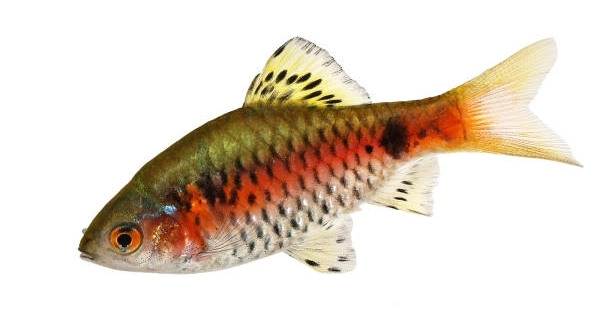
Rosy barbs are lively fish often known for their playful chasing behavior. Many owners enjoy watching these active interactions in their tanks. Sometimes, though, this chasing suddenly stops, which can be confusing for fish keepers.
The most common reason a rosy barb stops chasing others is due to changes in health, stress, or social dynamics within the tank. Illness, poor water conditions, or the presence of a new fish can all reduce their typical chasing behavior.
Understanding these causes can help you create a happier environment for your fish and bring back their natural activity.
Common Reasons for Rosy Barbs to Stop Chasing
Rosy barbs may stop chasing due to several common factors. One major cause is stress, often from poor water quality or sudden changes in the tank environment. If the water is dirty or the temperature fluctuates, your fish might become less active. Illness also plays a big role. When a rosy barb feels unwell, it will conserve energy and avoid chasing others. Another reason could be social hierarchy changes. When new fish are introduced or when dominant fish grow larger, the usual chasing may decrease as the fish establish new roles. Lastly, aging can affect activity levels. Older rosy barbs naturally slow down and become less interested in chasing behaviors. Paying attention to these factors can help you identify why your fish’s behavior has changed and what steps to take to encourage more natural activity again.
Tank stress and health issues are often the main reasons chasing stops in rosy barbs.
Taking time to check water parameters regularly is key to keeping your rosy barbs lively. Make sure ammonia and nitrite levels are zero, and keep nitrates low. Stable temperature and good filtration reduce stress. Observing your fish daily helps catch signs of illness early. If you add new fish, introduce them slowly to prevent disruption in the tank’s social order. When needed, isolate sick fish to avoid spreading disease. Providing enough space and hiding spots also helps reduce stress. By keeping a close eye on their environment and health, you can maintain the lively chasing behavior that makes rosy barbs enjoyable to watch.
How to Encourage Rosy Barbs to Chase Again
A healthy environment is key to bringing back your rosy barb’s natural chasing behavior.
To encourage chasing, start with a clean tank and stable water conditions. Regular water changes and proper filtration support fish health. Feeding a balanced diet keeps them energetic. Sometimes, adding plants or decorations creates interesting areas for interaction. Avoid overcrowding by giving each fish enough space to swim freely. If a fish is sick, treat it promptly to restore activity. Social stimulation is important too—rosy barbs are social fish that feel safer and more active in groups. If you only have one or two, consider adding more to encourage natural behaviors. Patience is important because changes in behavior may take some time to reverse. With consistent care and attention, your rosy barbs can regain their lively chasing habits and bring more enjoyment to your tank.
Signs Your Rosy Barb Might Be Unwell
A sudden stop in chasing behavior can be a sign of illness. Watch for changes in appetite, unusual swimming patterns, or faded colors. These symptoms often indicate your fish needs attention.
Physical signs like clamped fins, lethargy, or spots on the body show that the rosy barb might be sick. Illnesses such as parasites or bacterial infections can reduce activity quickly. It’s important to test your water quality, as poor conditions can weaken fish immune systems. If you notice these symptoms, isolating the fish and consulting with an aquatic specialist or using appropriate treatment can help prevent the illness from spreading.
Behavioral changes often accompany physical symptoms. A sick rosy barb may hide more, avoid food, or stay near the surface or bottom. These signs, combined with reduced chasing, usually mean a health problem is present. Addressing these issues early can improve recovery chances and help restore normal activity levels.
The Role of Tank Environment in Fish Behavior
Tank setup greatly impacts rosy barb behavior. Crowded or poorly decorated tanks can increase stress and reduce chasing.
Space is crucial for active fish like rosy barbs. A cramped tank limits swimming and interaction, causing less chasing. Adding plants and hiding places helps create a natural environment, reducing stress. These elements encourage exploration and playfulness, which boosts chasing behavior. Also, keep the tank clean with regular water changes to maintain healthy conditions. A well-maintained environment supports not only physical health but also social activity, making your fish more lively and interactive.
Impact of Tank Mates on Rosy Barb Behavior
Rosy barbs may stop chasing if tank mates are aggressive or too passive. Compatibility affects their social interactions.
Introducing new fish can change group dynamics. If a new fish dominates or scares the barbs, chasing may decrease as they avoid conflict.
Adjusting Tank Conditions to Restore Activity
Small changes like increasing water flow or adjusting lighting can encourage natural behavior. Rosy barbs thrive in well-oxygenated, comfortable environments.
Bright lighting and gentle currents simulate their natural habitat. These conditions promote swimming and chasing. Avoid sudden changes to prevent stress. Consistency helps fish feel secure and active.
Feeding and Its Effect on Chasing
Proper nutrition boosts energy and activity levels. Poor diet can cause lethargy and reduced chasing.
Why did my rosy barb stop chasing suddenly?
A sudden stop in chasing usually points to stress or illness. Changes in water quality, temperature, or the introduction of new tank mates can shock your fish. Illness also causes lethargy and less interaction. Check your water parameters first and watch for any signs of sickness like clamped fins or loss of appetite.
Can poor water conditions cause rosy barbs to stop chasing?
Yes, poor water quality is a common cause. High levels of ammonia, nitrite, or nitrate stress fish and weaken their immune systems. Dirty tanks or irregular water changes also reduce activity. Keeping the water clean and stable helps maintain normal behavior and encourages chasing.
Is it normal for rosy barbs to chase less as they age?
It is normal. Older rosy barbs tend to slow down and lose some of their playful chasing habits. Their energy levels naturally decline over time. This change doesn’t always mean something is wrong but still requires attention to keep them comfortable and healthy.
How does tank size affect chasing behavior?
Tank size matters a lot. Smaller tanks restrict swimming space, which lowers chasing behavior. Rosy barbs are active swimmers and need plenty of room to interact. A larger tank with enough swimming space encourages chasing and natural social behavior.
Can tank decorations influence rosy barb chasing?
Yes. Decorations and plants can create hiding spots and interesting areas for exploration. This helps reduce stress and encourages chasing and playful behavior. Too few hiding places can make fish feel exposed and less likely to chase. A balanced tank layout supports social activity.
What role do tank mates play in rosy barb behavior?
Tank mates affect chasing significantly. Aggressive fish can intimidate rosy barbs, causing them to hide rather than chase. On the other hand, peaceful, active fish encourage social play. Introducing new fish carefully helps maintain harmony and chasing behavior.
How does feeding impact rosy barb chasing?
Proper feeding keeps fish energetic. A diet lacking nutrients can cause lethargy, reducing chasing. Feeding high-quality flakes, pellets, or frozen foods helps maintain energy levels. Avoid overfeeding as it leads to poor water quality and health issues, which also decrease activity.
What signs indicate illness if chasing stops?
Look for faded colors, clamped fins, slow movement, or refusal to eat. White spots, redness, or unusual marks are also signs. Illness lowers energy, so chasing stops. Early detection and treatment improve chances of recovery.
Should I separate a sick rosy barb from the group?
Separating a sick fish is often necessary. It prevents spreading disease and allows focused treatment. Isolation tanks help fish recover in a calm environment. Monitor the isolated fish closely and maintain excellent water quality during treatment.
Can water temperature changes affect chasing?
Yes, sudden temperature changes stress fish. Rosy barbs prefer stable temperatures around 74-78°F (23-26°C). Too cold or too hot water slows metabolism, reducing chasing. Use a reliable heater and thermometer to keep temperature steady.
Is chasing behavior related to breeding?
Sometimes. Male rosy barbs chase females during breeding periods as part of courtship. If chasing stops, it might mean breeding behavior has ended or fish are not ready. Providing a suitable environment can encourage breeding and normal chasing.
How long does it take for chasing behavior to return?
It varies based on the cause. If the issue is water quality or minor stress, chasing may return within days. Illness recovery might take weeks. Consistent care and patience are important to see behavior improve.
Can I encourage chasing with toys or objects?
Adding floating objects or mirrors can sometimes stimulate chasing, but use them carefully. Mirrors may stress some fish by causing aggression. Introducing natural plants or varied decorations is usually better for encouraging healthy interaction.
What should I do if chasing does not return?
If chasing doesn’t come back after fixing water and health issues, reassess tank conditions and social dynamics. Consult an aquatic specialist if needed. Sometimes fish personalities vary, and some may naturally be less active. Ensuring good care remains the priority.
Rosy barbs are lively fish that often show playful chasing behavior. When this chasing stops, it can feel worrying for their owners. There are many reasons why rosy barbs might stop chasing each other. Some of these reasons include changes in health, stress from the tank environment, or changes in the group of fish. Understanding these factors can help you take better care of your fish and make sure they stay active and happy.
Keeping your tank clean and stable is very important. Fish need good water quality to stay healthy and energetic. Checking water regularly for harmful chemicals and doing frequent water changes can reduce stress on your fish. It is also helpful to watch for signs of illness like changes in color, appetite, or swimming habits. If you notice your fish looking unwell, it is best to act quickly. Sometimes, a change in tank mates or adding more plants and hiding places can also make your fish feel safer and more comfortable. This can encourage them to swim and chase again.
Patience is key when trying to bring back chasing behavior. Fish do not always change quickly, and they need time to adjust to improvements. With proper care, a good diet, and a peaceful environment, many rosy barbs will start to show their natural, lively behavior again. Paying attention to their needs and making small changes to their tank can make a big difference. In the end, keeping a healthy, calm tank is the best way to see your rosy barbs active and happy once more.

Hello,
If you enjoy the content that we create, please consider saying a "Thank You!" by leaving a tip.
Every little bit helps us continue crafting quality advice that supports the health, happiness, and well-being of pets around the world, for pets of all shapes, sizes, and species.
We really appreciate the kindness and support that you show us!