
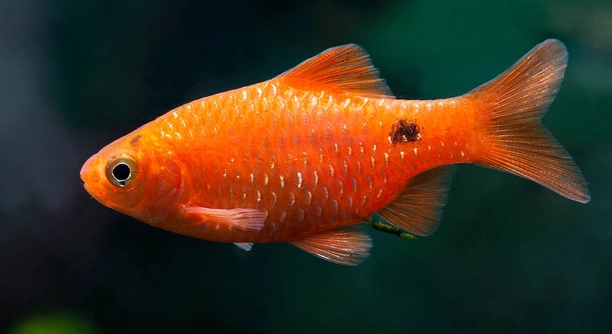
Rosy barbs are popular aquarium fish known for their vibrant colors and active nature. Many owners notice these fish hovering near heaters in their tanks. This behavior is common and often sparks curiosity among fish keepers.
Rosy barbs hover above the heater mainly because they seek warmer water in the tank. The heater creates a temperature gradient, and these fish prefer the slightly higher warmth near it, especially if the rest of the tank feels cooler than their ideal range.
Understanding why rosy barbs behave this way helps ensure their environment stays comfortable. Proper tank conditions promote their health and happiness in home aquariums.
Why Rosy Barbs Prefer Warmer Water
Rosy barbs naturally come from tropical and subtropical regions where water temperatures are fairly stable and warm. In an aquarium, the water temperature can vary, especially if the heater is set to a specific spot. These fish tend to gather near the heater because it provides a comfortable temperature that matches their natural environment. Cooler water elsewhere in the tank might feel less inviting to them. This behavior is their way of regulating body temperature and maintaining comfort. It’s important to check that the heater is working properly and that the tank’s overall temperature remains within the recommended range for rosy barbs, typically between 64 and 72 degrees Fahrenheit. Keeping the tank temperature steady helps reduce stress and encourages natural behavior. By understanding their preference for warmer water, you can create a better habitat for your fish.
Too cold or uneven temperatures can cause health problems in rosy barbs.
Maintaining a consistent temperature range is key for your rosy barbs’ well-being. If the tank has cool spots far from the heater, the fish might cluster in the warmer area, which could indicate the need for better temperature distribution. Using a reliable heater and possibly a small water circulation pump helps create an even temperature throughout the tank. This prevents overcrowding near the heater and supports the overall health of all fish. Monitoring the temperature daily with a thermometer ensures conditions stay optimal. Ensuring stable warmth encourages your rosy barbs to swim freely and display their full range of colors.
Signs That Your Rosy Barbs Are Comfortable
When rosy barbs are comfortable, they swim actively around the tank and show vibrant colors. They will explore different parts of the aquarium instead of staying only near the heater. Healthy rosy barbs have smooth scales and clear eyes, and they often swim in groups without signs of stress. Observing their behavior regularly can help you notice any changes that might signal discomfort or illness. Feeding habits also give clues: well-fed and comfortable fish eat readily and maintain steady energy levels.
If rosy barbs cluster too much around the heater, it may signal an issue.
If your rosy barbs are hovering only around the heater and rarely moving elsewhere, it might mean the rest of the tank is too cold or that the water quality is off. Poor water quality or low oxygen levels can also cause fish to stay near warmer spots where circulation is better. Testing the water for pH, ammonia, nitrites, and nitrates is important to rule out these problems. Adjusting the heater setting, improving filtration, and performing regular water changes will help balance the environment. Once conditions improve, your rosy barbs should spread out and return to more natural swimming patterns. Keeping the tank stable and healthy supports the fish’s comfort and vitality.
Common Mistakes in Heater Placement
Heaters placed too close to the tank’s bottom or in areas with poor water circulation create uneven temperature zones. This leads rosy barbs to cluster only near the heater, avoiding colder parts. Proper placement ensures heat spreads evenly throughout the tank, helping fish move freely.
Many tank owners place heaters in a corner or behind decorations where water flow is weak. This causes hot spots near the heater and cooler water elsewhere. Without proper circulation, temperature differences become significant, encouraging fish to gather only in warm areas. Using a heater with a built-in thermostat and positioning it near a filter outlet improves heat distribution. It’s helpful to check tank temperature in multiple spots to identify uneven heating and adjust heater placement accordingly.
Besides heater position, not using additional equipment like powerheads or air stones can worsen temperature imbalance. These devices promote water movement, distributing heat and oxygen evenly. When heat is uniform, rosy barbs are less likely to hover exclusively above the heater, making their behavior more natural.
How to Create a Balanced Tank Environment
Maintaining a balanced tank means controlling temperature, water quality, and oxygen levels together. Each factor affects how comfortable your rosy barbs feel.
Regular water changes keep ammonia and nitrate levels low, improving overall health. Using a reliable heater with a thermostat keeps temperature steady, ideally between 68 and 74 degrees Fahrenheit. Adding devices like air stones or powerheads increases water circulation, preventing cold spots and ensuring oxygen reaches all parts of the tank. Testing water parameters frequently helps spot problems early. Keeping the environment stable encourages natural fish behavior, reducing stress and improving color vibrancy. Adjusting lighting and avoiding overcrowding further supports balance. When the tank is balanced, rosy barbs are more active and spend time exploring rather than hovering above the heater.
Adjusting Tank Temperature Gradually
Sudden temperature changes stress rosy barbs and can cause them to hover near the heater for warmth. Adjust the heater slowly to avoid shocking your fish and allow them time to acclimate to new temperatures comfortably.
Using a reliable aquarium thermometer helps monitor changes. Gradual shifts prevent health issues and encourage even swimming patterns throughout the tank.
Importance of Proper Tank Size
A tank that is too small limits water volume and temperature stability. Rosy barbs need enough space to swim freely and maintain comfortable temperature zones. Larger tanks help prevent drastic temperature swings.
Ensuring the right tank size improves water quality and overall fish health, reducing the chance of fish crowding near the heater.
Signs of Heater Malfunction
Inconsistent or no heat from the heater causes fish to stay near any warm spot available. Watch for sudden temperature drops or heater noises indicating malfunction.
Regular heater checks and replacements prevent discomfort and health risks for your rosy barbs.
FAQ
Why do rosy barbs hover only above the heater?
Rosy barbs hover above the heater mainly because they seek warmer water. The heater creates a temperature gradient in the tank, and these fish naturally prefer the slightly warmer area near it. This is especially true if the rest of the tank is cooler than their ideal temperature range. It’s their way of staying comfortable and maintaining body temperature.
Is it harmful if rosy barbs spend most of their time near the heater?
Yes, it can be harmful if they stay near the heater constantly. This behavior often signals uneven temperature distribution or poor water conditions. Prolonged exposure to high heat can stress the fish, while cold areas can cause discomfort or illness. Ensuring the tank temperature is stable and well-circulated reduces this behavior.
What is the ideal temperature for rosy barbs?
The ideal temperature range for rosy barbs is between 64 and 72 degrees Fahrenheit (18 to 22 degrees Celsius). Keeping the tank temperature within this range helps them stay active and healthy. Temperature fluctuations outside this range can cause stress and lead to health problems.
How can I prevent my rosy barbs from clustering near the heater?
Make sure the heater is placed where water circulation is strong, such as near the filter outlet. Adding an air stone or water pump can improve circulation and help distribute heat evenly. Also, check the heater regularly to confirm it is working properly and keeping a steady temperature throughout the tank.
Can other tank conditions cause rosy barbs to hover near the heater?
Yes, factors like poor water quality, low oxygen levels, or overcrowding can cause this behavior. Fish might stay near the heater where water circulation is better, and oxygen levels are higher. Testing and maintaining good water parameters, and keeping the tank clean, help prevent this issue.
How often should I check the aquarium heater?
Check the heater weekly to ensure it is working properly. Use a thermometer to monitor tank temperature at different spots. Listen for unusual noises from the heater, which may indicate malfunction. Replacing old or faulty heaters promptly protects your fish from temperature-related stress.
Can sudden temperature changes affect rosy barbs?
Sudden temperature changes are harmful to rosy barbs and cause stress. They can lead to illness or even death. Always adjust the heater temperature gradually, giving fish time to acclimate. Using a reliable heater with a thermostat helps maintain consistent temperature.
Does tank size influence how rosy barbs behave around the heater?
Yes, smaller tanks heat unevenly and can cause fish to crowd near the heater. Larger tanks have more stable temperatures and provide space for fish to swim away from heat sources. Make sure the tank size fits the number of fish to promote comfort and reduce clustering.
What are signs my rosy barbs are stressed from temperature issues?
Signs include lethargy, loss of appetite, hiding, and staying only near the heater. Also watch for rapid gill movement or unusual swimming patterns. If you notice these signs, test water temperature and quality immediately and adjust the environment accordingly.
Is it normal for rosy barbs to change their behavior seasonally?
Rosy barbs might react to seasonal changes in room temperature, which affects aquarium temperature. In colder months, they may stay near the heater more often. Using a heater with a stable thermostat helps maintain constant tank conditions year-round, reducing seasonal behavior changes.
Final Thoughts
Rosy barbs hovering above the heater is a common behavior linked to their need for warmth. These fish come from regions with steady, warm water, so they naturally seek out the warmer areas in an aquarium. When the tank’s temperature is uneven, rosy barbs gather near the heater to find comfort. This behavior is their way of adjusting to their environment and regulating their body temperature. While it may seem concerning at first, it is often a clear sign that the tank conditions could be improved. Understanding this behavior allows you to better care for your fish by ensuring the water temperature is stable and comfortable.
Creating a balanced environment is key to reducing this hovering behavior. The tank’s temperature should be consistent throughout, not just near the heater. Proper heater placement and good water circulation help spread warmth evenly. Devices like air stones or powerheads can improve water movement and oxygen levels, which keeps fish healthy and active. Regular water testing and maintenance also contribute to a stable habitat. When conditions are ideal, rosy barbs will swim freely across the tank instead of clustering in one area. This balance promotes their overall well-being and helps them display their natural colors and behaviors.
It is important to keep an eye on your fish and the tank equipment to spot any issues early. Check the heater regularly to make sure it is functioning properly and maintaining the right temperature. Watch your rosy barbs for signs of stress or illness, such as lethargy or loss of appetite. These can be linked to temperature problems or other water quality issues. By addressing problems quickly, you create a healthier home for your fish. Consistent care and attention will help your rosy barbs thrive and bring enjoyment to your aquarium experience.

Hello,
If you enjoy the content that we create, please consider saying a "Thank You!" by leaving a tip.
Every little bit helps us continue crafting quality advice that supports the health, happiness, and well-being of pets around the world, for pets of all shapes, sizes, and species.
We really appreciate the kindness and support that you show us!