
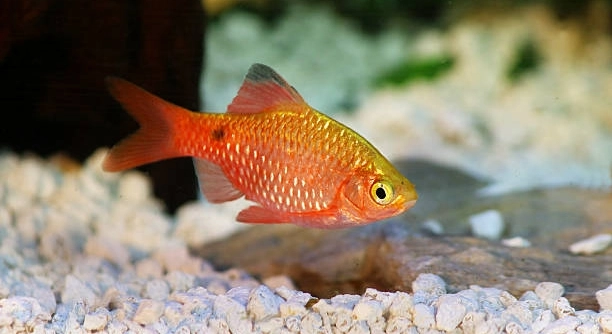
Balanced Rosy Barb tanks create a healthy and stable environment for these lively fish to thrive. Proper care and observation ensure the fish remain active and vibrant. Recognizing signs of balance helps maintain a flourishing aquarium.
A balanced Rosy Barb tank shows clear water, stable temperature, and healthy plants. The fish display regular swimming patterns with no signs of stress or disease. Proper filtration and minimal algae growth are key indicators of a well-maintained environment for these fish.
Knowing what to look for makes it easier to keep your tank in top condition. These signs guide ongoing care and promote the well-being of your Rosy Barbs.
Clear Water and Stable Conditions
Clear water is essential for a balanced Rosy Barb tank. It means the filtration system is working well and there are no harmful substances building up. Stable temperature and pH levels support the health of the fish and plants. Fluctuations can stress the fish and lead to illness. Regular water changes help maintain water quality. It is important to test water parameters often to catch any problems early. Watching the water clarity also helps identify when maintenance is needed. Keeping conditions stable allows the fish to behave naturally and stay active.
Good water quality keeps the tank healthy and supports fish activity.
Maintaining clear water involves a proper filter suited for the tank size and frequent cleaning. Use a water test kit to monitor ammonia, nitrites, nitrates, and pH levels. Avoid overcrowding, as too many fish can quickly pollute the water. Plants contribute by absorbing nitrates and adding oxygen. Adding live plants also reduces algae growth, which can cloud water. Balance in the tank means all these factors work together to keep the environment healthy for Rosy Barbs.
Healthy Fish Behavior
Healthy Rosy Barbs swim actively and interact with each other without signs of aggression or lethargy.
Observing fish behavior is one of the clearest signs of tank balance.
Rosy Barbs should swim smoothly around the tank and respond to feeding without hesitation. If they dart frantically or hide often, it may indicate stress or poor water quality. Balanced tanks encourage natural schooling behavior, where fish swim in groups calmly. Ill fish might show faded colors, clamped fins, or unusual spots. Regularly watching your fish helps detect early signs of illness or imbalance. Healthy fish usually have bright, vivid colors and clear eyes. Ensuring they have enough space, proper diet, and hiding spots promotes good behavior and reduces stress. The right tank conditions create a safe space where Rosy Barbs feel secure and thrive.
Minimal Algae Growth
Excessive algae growth is a common problem but balanced tanks keep it under control.
Algae need light, nutrients, and time to grow. In a balanced tank, plants compete with algae for nutrients, keeping algae levels low. Proper lighting duration and avoiding overfeeding also help prevent algae blooms. Regular tank maintenance, including cleaning surfaces and removing debris, supports this balance.
Algae can become unsightly and harm fish health if left unchecked. Too much algae reduces oxygen and affects water clarity. Keeping algae in check requires steady conditions, balanced nutrients, and proper light management. Adding algae-eating species can also help maintain low algae levels without disrupting the tank’s balance.
Proper Filtration and Aeration
Filtration removes waste and toxins, keeping the tank environment safe for fish. Aeration ensures oxygen circulation for both fish and plants.
Filters should match the tank size and be cleaned regularly to maintain efficiency. Overloaded filters or dirty media reduce water flow and water quality. Aeration devices like air stones improve oxygen levels, especially in crowded tanks or warm water. Proper circulation helps distribute heat and nutrients evenly.
Without good filtration and aeration, waste builds up quickly, causing stress or illness in fish. Balanced tanks use a combination of mechanical, chemical, and biological filtration. This ensures waste breakdown and stable water conditions. Aeration supports respiration and prevents dead zones with low oxygen. Together, these systems create a healthy environment that Rosy Barbs need to thrive.
Balanced Diet and Feeding
Feeding Rosy Barbs a varied and balanced diet supports their health and coloration.
Avoid overfeeding, as leftover food pollutes the tank and affects water quality.
Consistent Tank Maintenance
Regular water changes and cleaning prevent waste buildup and keep the environment stable. Proper maintenance schedules reduce stress for fish and promote longevity.
Healthy Plant Growth
Healthy plants indicate good water quality and help balance nutrients by absorbing excess waste. They also provide shelter and improve oxygen levels for the fish.
FAQ
How often should I change the water in a Rosy Barb tank?
Water changes are important to keep the tank balanced. Generally, changing 20-30% of the water every one to two weeks is recommended. This helps remove toxins and refresh minerals that fish and plants need. Smaller tanks may need more frequent changes to maintain stable conditions.
What is the ideal temperature for a Rosy Barb tank?
Rosy Barbs thrive best in water temperatures between 68°F and 78°F (20°C to 26°C). Maintaining a steady temperature within this range reduces stress and supports healthy metabolism. Sudden temperature changes should be avoided to prevent shock.
How many Rosy Barbs can I keep in one tank?
A good rule is one inch of fish per gallon of water, but Rosy Barbs prefer to be in groups of at least five. A 20-gallon tank can comfortably house 5 to 7 Rosy Barbs. Overcrowding can lead to stress, poor water quality, and aggressive behavior.
What do Rosy Barbs eat?
Rosy Barbs are omnivores. A varied diet of high-quality flakes, pellets, frozen or live foods like brine shrimp, bloodworms, and daphnia keeps them healthy. Including plant matter like algae wafers supports their natural diet. Avoid overfeeding to keep the tank clean.
How do I control algae in my tank?
Control algae by balancing light, nutrients, and tank cleanliness. Limit lighting to 8-10 hours daily and avoid direct sunlight. Perform regular water changes, avoid overfeeding, and keep the tank clean. Adding fast-growing plants or algae-eating fish can help keep algae growth in check.
What signs show that my Rosy Barbs are stressed?
Signs of stress include hiding often, rapid breathing, faded colors, clamped fins, and erratic swimming. Stress can result from poor water quality, sudden changes, overcrowding, or aggressive tank mates. Addressing these issues quickly helps prevent illness.
Can I keep Rosy Barbs with other fish?
Rosy Barbs are generally peaceful but can be nippy, especially during breeding. They do well with similar-sized, active, and peaceful species like danios, barbs, and tetras. Avoid slow-moving or long-finned fish that may become targets.
What is the best way to introduce new fish to the tank?
Quarantine new fish for at least two weeks to prevent introducing diseases. When adding them to the main tank, float the bag in the water for 15-20 minutes to equalize temperature. Gradually mix tank water into the bag over 30 minutes before releasing the fish.
How often should I clean the filter?
Clean the filter media every 2-4 weeks but avoid cleaning all parts at once to preserve beneficial bacteria. Rinse filter media in tank water, not tap water, to maintain the biological filtration. Regular maintenance ensures efficient waste removal.
What plants are suitable for a Rosy Barb tank?
Rosy Barbs do well with hardy plants like Java fern, Anubias, and Hornwort. These plants tolerate a range of water conditions and are less likely to be uprooted. Floating plants also provide shade and reduce algae growth by limiting light.
Final Thoughts
Keeping a balanced Rosy Barb tank requires attention to several key factors. Clear water, stable conditions, and proper filtration create the foundation for a healthy environment. Monitoring water quality regularly helps catch potential problems before they affect the fish. Maintaining consistent temperature and pH levels supports the fish’s natural behavior and overall health. It is important to avoid overcrowding and provide enough space for the Rosy Barbs to swim freely. A well-maintained tank helps prevent stress and disease, making the fish more vibrant and active.
Feeding the fish a balanced diet is another important part of tank care. Overfeeding can cause water quality issues and promote algae growth, so it is best to provide only what the fish can eat within a few minutes. Including a variety of foods, such as flakes, pellets, and live or frozen options, supports good nutrition. Healthy plants in the tank not only improve water quality but also offer hiding spots and reduce algae growth. Taking time to regularly clean the tank and change the water keeps the environment stable and safe for the fish.
Watching the behavior of Rosy Barbs provides useful clues about the tank’s condition. Active swimming, bright colors, and normal feeding habits are signs the tank is balanced. If the fish show signs of stress or illness, it usually indicates a need to check water parameters or tank setup. Paying close attention to these signs helps maintain a healthy aquarium. Keeping a Rosy Barb tank balanced may take some effort, but the reward is a lively, beautiful aquarium where the fish thrive for years.

Hello,
If you enjoy the content that we create, please consider saying a "Thank You!" by leaving a tip.
Every little bit helps us continue crafting quality advice that supports the health, happiness, and well-being of pets around the world, for pets of all shapes, sizes, and species.
We really appreciate the kindness and support that you show us!