
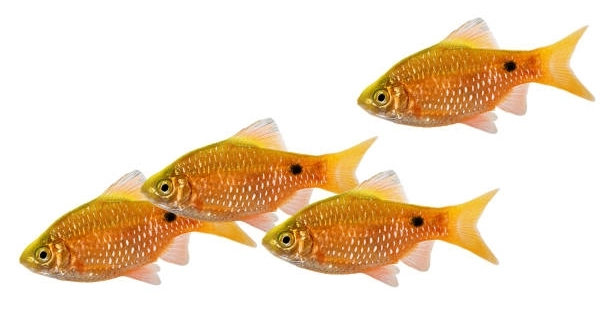
Are your rosy barbs constantly flaring their fins, making you wonder if something in their tank might be bothering them? This behavior can seem harmless at first but may signal something deeper.
Rosy barbs often flare their fins due to territorial displays, social hierarchy, or mating behavior. However, consistent or aggressive flaring may indicate stress from overcrowding, poor water conditions, or incompatible tank mates, which should be addressed to maintain their well-being.
Understanding the reasons behind this behavior can help you create a more comfortable and healthy environment for your rosy barbs.
Common Reasons for Constant Fin Flaring
Rosy barbs are active and social fish, but frequent fin flaring is often their way of establishing dominance or reacting to environmental stress. In many cases, this behavior is tied to mating displays or territorial behavior, especially in male barbs. However, if the behavior appears nonstop or is paired with chasing or nipping, it may be a sign that your fish feel threatened or uncomfortable. Tank size, group dynamics, or even light exposure can all play a role. Overcrowding and lack of hiding spaces can intensify aggression, while abrupt changes in water temperature or pH may also trigger defensive posturing. Regularly testing the water and ensuring it stays clean and stable is key. While occasional flaring is typical, constant displays may need closer observation.
Tank conditions and group structure should always support peaceful interaction. When fish are overstimulated or uncomfortable, they become more reactive and display defensive habits more often.
Avoid keeping only one or two rosy barbs, as they thrive in groups. Keeping them in odd-numbered groups of five or more helps balance aggression and allows social behaviors to develop more naturally. Their environment should include plants or decorations to break lines of sight and offer a sense of territory without causing tension.
When Behavior Signals a Problem
Flaring that becomes more intense or aggressive over time can signal a deeper imbalance in the tank.
A stressful environment often pushes your fish to act out. Even when tank mates are peaceful, incompatible water parameters or improper tank size can cause distress. For example, rosy barbs prefer cool, well-oxygenated water with plenty of swimming space. A small or poorly filtered tank can make them agitated, especially if they have limited room to establish their territory. In addition, some fish are more prone to flaring due to individual temperament. Still, you should always watch for torn fins, hiding, or loss of appetite, which point to stress or bullying. If your fish seem constantly on edge, test the water, monitor their social structure, and ensure your setup matches their natural needs. Balanced lighting, adequate current, and varied diets all play a role in keeping rosy barbs active but calm. Keeping their environment well-maintained will help reduce signs of stress and make your tank healthier overall.
Improving Tank Conditions
Clean water, stable temperature, and enough space are essential for keeping rosy barbs calm. Regular maintenance, proper filtration, and checking water parameters often can prevent stress and reduce fin flaring caused by discomfort or poor living conditions.
Start by making sure the tank is at least 30 gallons if you have a small group of rosy barbs. These fish need plenty of swimming space and don’t do well in cramped environments. Keep the water temperature between 72–78°F and test for ammonia, nitrites, and nitrates weekly. Use a quality filter and perform regular water changes—around 25% weekly—to keep conditions steady. Dim lighting or floating plants can also help reduce stress levels. Include decorations and live plants to provide hiding spots and break up sight lines. This helps prevent constant chasing and gives each fish a sense of territory without making the space feel too closed off.
Avoid keeping them with aggressive fish or very shy species. Rosy barbs are energetic and need tank mates that can handle their activity. Consider peaceful schooling fish like danios or larger tetras, which can match their pace. Spreading out food during feeding also reduces competition and helps create a calmer tank environment. Consistency and balance are key to reducing stress-based behaviors.
Social Structure and Tank Mates
Rosy barbs are more peaceful in well-balanced groups with the right mix of male and female fish. Odd-numbered groups help limit aggression and prevent one fish from being singled out or bullied too often.
Keep at least five to seven rosy barbs together, with more females than males to reduce tension. A good ratio is one male for every two females. This helps spread out any dominance behavior and keeps the group dynamics steady. If there are too many males or too few companions, flaring and chasing become more common. Rosy barbs also prefer active tank mates who aren’t easily intimidated. Choose species that enjoy open swimming space and match their energy. Avoid fish with long, delicate fins like angelfish, which may get nipped. Adding new fish should be done gradually, allowing the group to adjust. Watching how they interact over time will give you clues about whether your tank setup and social balance are working well.
Signs of Stress to Watch For
Frequent hiding, loss of appetite, or faded color can be signs your rosy barb is feeling stressed. These signs often appear before more obvious issues like illness or aggression begin to develop within the tank.
Watch for torn fins, rapid breathing, or constant pacing near the glass. These are behaviors that suggest your fish is not comfortable or may be reacting to changes in their surroundings.
Mating or Aggression?
Mating and aggression can look similar, but there are small differences to notice. Mating behavior often includes chasing, circling, and brightened colors, especially from males. If the behavior doesn’t cause injuries or fear, it’s usually harmless. However, if you see nipping, hiding, or signs of damage, it’s more likely aggression. Keep an eye on the fish’s body language and the frequency of the behavior. Aggression tends to be constant and one-sided, while mating is more mutual and short-lived. Watching how the group interacts over time will help you better understand the difference and know when it’s time to intervene.
When to Separate Fish
If one fish is constantly targeting another, or a group shows repeated bullying, it’s time to consider separation. A divider or a separate tank can help prevent injuries and reduce stress.
FAQ
Why do my rosy barbs flare their fins constantly?
Rosy barbs flare their fins mainly to show dominance or during mating displays. It’s a natural behavior for establishing social order. However, if flaring is constant, it may be due to stress caused by overcrowding, poor water quality, or aggressive tank mates. Observing other signs like chasing or fin damage can help determine if intervention is needed.
Is fin flaring harmful to my rosy barbs?
Occasional fin flaring is harmless and part of their social behavior. But constant flaring, especially if aggressive, can lead to fin damage or stress, weakening their immune system. Providing enough space and hiding spots reduces tension and helps prevent injuries.
How many rosy barbs should I keep together?
Rosy barbs are schooling fish and do best in groups of at least five to seven. Keeping them in odd numbers with more females than males helps spread out aggression and maintains a balanced social environment.
Can tank size affect fin flaring?
Yes, a small tank can increase stress and aggression, causing more fin flaring. A minimum of 30 gallons is recommended for a small group. Adequate swimming space lets fish establish territories without constant confrontation.
What water conditions do rosy barbs prefer?
They thrive in water temperatures between 72–78°F, with neutral to slightly alkaline pH (around 7.0 to 8.0). Stable water conditions with low ammonia and nitrites are essential. Regular testing and water changes maintain a healthy environment.
Can fin flaring indicate illness?
Fin flaring alone doesn’t usually mean illness but combined with lethargy, loss of appetite, or unusual swimming, it can signal health problems. Poor water quality often triggers stress that weakens fish and makes them prone to disease.
How can I reduce aggression and fin flaring in my tank?
Keeping a balanced group with more females, providing hiding places, and ensuring proper tank size and clean water are key. Adding compatible tank mates that match rosy barbs’ activity levels also helps reduce tension.
Should I separate aggressive rosy barbs?
If one fish is repeatedly bullying others, separating it temporarily can protect the group. Use a tank divider or quarantine tank until behavior improves. Long-term separation may be necessary if aggression continues.
What tank mates work well with rosy barbs?
Peaceful, active fish like danios, larger tetras, or peaceful bottom dwellers are good choices. Avoid slow-moving or long-finned species that may get nipped or stressed by the barbs’ activity.
Can lighting affect fin flaring behavior?
Bright, constant lighting can increase stress and aggression. Using dimmer lights or floating plants to provide shade creates a calmer environment, helping reduce fin flaring and chasing behaviors.
How often should I do water changes?
Performing a 20-25% water change weekly helps keep water quality stable. Clean water reduces stress and limits aggressive behavior like fin flaring caused by discomfort.
Does feeding affect fin flaring?
Uneven feeding can cause competition and increase aggressive displays. Distribute food evenly to prevent fights and allow all fish to eat comfortably, which reduces tension in the tank.
What should I do if fin flaring leads to fin damage?
Check water parameters and tank conditions first. Increase hiding spots and reduce stressors. If fins are torn, consider treating with mild antibacterial medications and monitor closely to prevent infections.
Can fin flaring stop naturally?
Yes, if the environment is stable and social balance is reached, fin flaring usually decreases. Young barbs may flare more as they grow, but it often lessens with maturity and a peaceful group dynamic.
Are male rosy barbs more likely to flare fins?
Males flare their fins more often, especially during breeding or establishing dominance. Ensuring enough females and space helps prevent excessive aggression related to mating behavior.
Final Thoughts
Rosy barbs flaring their fins is a common behavior, but it can mean different things depending on how often and how intensely they do it. Occasional fin flaring is natural and helps fish establish their place in the group or show readiness for mating. However, when fin flaring becomes constant or aggressive, it often points to stress or discomfort in their environment. Keeping a close eye on your fish and their behavior will help you notice early signs of trouble before it becomes serious. Stress in fish can weaken their immune system and lead to illness, so it’s important to address any problems quickly.
Maintaining the right tank conditions plays a big role in reducing excessive fin flaring. Clean, well-filtered water with stable temperature and balanced pH helps create a healthy environment. Proper tank size is also crucial since overcrowding can increase aggression among rosy barbs. These fish prefer to swim freely and establish territories with enough space. Including plants and decorations to break up sight lines gives each fish a chance to retreat and feel secure. Choosing suitable tank mates that share similar activity levels also keeps the social atmosphere calm and balanced.
Lastly, understanding your rosy barbs’ social needs helps maintain peace in the tank. Keeping them in groups of five or more with a good ratio of females to males reduces tension and the chance of constant fin flaring. Watching how your fish interact over time gives insight into whether adjustments are needed in tank setup or group structure. Simple changes in care and environment can greatly improve your rosy barbs’ well-being. By paying attention to their behavior and environment, you can help ensure your fish stay healthy and enjoy a peaceful home.

Hello,
If you enjoy the content that we create, please consider saying a "Thank You!" by leaving a tip.
Every little bit helps us continue crafting quality advice that supports the health, happiness, and well-being of pets around the world, for pets of all shapes, sizes, and species.
We really appreciate the kindness and support that you show us!