
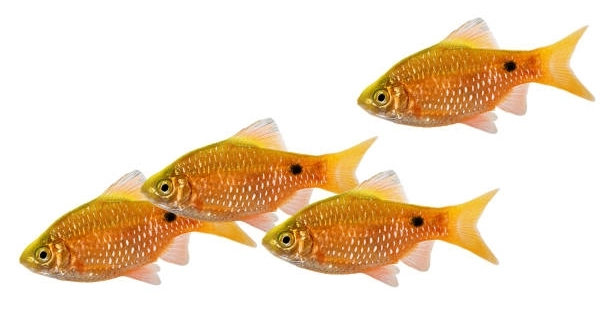
Have you ever watched your Rosy Barbs swim and noticed certain behaviors that stand out from the rest of the group? These moments often reveal fascinating aspects of their natural instincts and social interactions in the tank.
Rosy Barbs exhibit leadership-like behavior in specific scenarios such as initiating group movement, exploring new areas first, or defending territory. These moments are guided by environmental factors, individual temperament, and the dynamics within their small aquatic community.
These patterns provide helpful insights into their behavior and well-being, especially when setting up a balanced and engaging environment for them.
When One Leads, the Others Follow
In a calm tank setting, it’s common to see one Rosy Barb take the lead while the rest trail behind. This usually happens during feeding times or when the group is exploring a new area. The leader tends to swim slightly ahead, showing confidence in movement and direction. This isn’t about dominance but about initiative. Some Rosy Barbs are naturally bolder than others and seem more willing to take the first step. Their actions signal safety and can motivate the others to join in. This type of behavior keeps the group coordinated and reduces hesitation among the more cautious fish.
Rosy Barbs rely on group signals to decide when it’s safe to move or feed. A confident fish often acts as the first to act, influencing the rest.
Understanding this pattern helps you notice subtle shifts in behavior. If the usual leader changes, it may reflect stress or adjustment in the tank.
Boldness During Feeding Time
Feeding time often reveals clear leadership. A more assertive Rosy Barb may swim directly toward the food, encouraging others to follow. This confidence can reduce competition and make the feeding process smoother overall.
In a well-established group, a few fish often emerge as quick movers during meals. These bolder fish are not being aggressive; instead, they display a sense of urgency and focus. Their behavior helps distribute activity throughout the tank. When the first fish starts feeding, others quickly respond, avoiding delays and keeping the peace. This pattern also helps identify which fish are thriving. A sudden lack of participation from a previously active leader may suggest something’s off. Monitoring behavior during meals can reveal changes before more obvious symptoms appear. It also gives you a better understanding of their social balance, which contributes to maintaining a healthy and low-stress environment. Observing your Rosy Barbs at feeding time can provide small but important clues about their overall well-being.
Taking Charge During Tank Changes
When their environment changes, one Rosy Barb often swims out first to investigate. This reaction helps calm the group, especially after water changes or when new decor is added. The others tend to wait before following.
That first response can reduce stress across the tank. Rosy Barbs are sensitive to their surroundings, and even small changes can affect how they behave. A more confident fish might swim around new objects or check out altered areas, signaling that it’s safe. This simple act helps reassure the others, encouraging them to explore too. You’ll often notice the rest swimming more freely soon after. If no one steps forward, it can lead to a delay in group movement, making the tank feel unusually still. Watching how they react right after changes can give you clues about their overall comfort level and help you make better decisions in future tank adjustments.
These moments offer an honest glimpse into their social behavior. It’s not always the same fish taking the lead, but the boldest usually steps forward first. You’ll see them swim ahead, pause briefly, then move again. The others slowly follow. It’s a way of creating trust within their small group. While not aggressive, this action shapes how the entire tank reacts. It’s particularly useful when you introduce something new—like plants or hiding spots. Leadership shows itself quietly here, not through power, but through movement and timing. Observing this helps you understand each fish’s comfort level and shows you which ones are more resilient. It can also hint at how bonded your Rosy Barbs are to one another.
Guiding During Schooling Behavior
During schooling, one or two Rosy Barbs often lead the direction and pace of the group. This isn’t fixed, but the same few usually take on this role. Their actions keep the group swimming smoothly.
Rosy Barbs school for safety and comfort, especially when they feel uncertain. In those moments, one fish usually makes the first move, setting the pace and turning points for the rest. While they don’t school tightly like some other species, the pattern is still noticeable. A confident fish swimming ahead will cause the others to fall in line, matching speed and path. This helps the group stay together and avoid confusion, particularly when startled. You’ll often see this during sudden tank noises or when the lights turn on. Watching who leads during these schooling sessions can show you which Rosy Barbs are more secure or quick to react. It’s a useful sign of the group’s dynamics.
First to Explore New Tankmates
When new fish are introduced, one Rosy Barb often swims up first to check them out. This bold reaction helps ease tension and sets the tone for how the rest of the group will behave.
The others usually hang back, watching closely. Once they see the interaction is calm, they start to follow. This approach prevents chaos and supports a smoother introduction process.
Leading During Mild Conflict
Occasional chasing or flaring happens, especially in smaller tanks or crowded setups. One Rosy Barb may take charge during these moments, briefly chasing another or displaying flared fins. This behavior usually ends quickly and helps reinforce space boundaries without serious aggression. It’s more about order than hostility.
Setting the Tone at Rest Times
At night or during quiet hours, Rosy Barbs often settle into patterns. The fish that settles first can influence where and how others rest. A calm leader helps the group wind down peacefully.
FAQ
Do Rosy Barbs naturally form hierarchies?
Not in the way some fish do. Rosy Barbs don’t have strict hierarchies, but they do show patterns of leadership. Some individuals consistently act first—whether during feeding, exploration, or schooling—while others hang back. These leading roles can shift over time based on health, stress, or tank changes. It’s more about confidence and comfort than rank. You’ll often notice the same few fish stepping up, but they’re not dominating the group. This flexible behavior keeps the group balanced and reduces stress, especially in community tanks. Observing these shifts gives you insight into each fish’s personality and overall tank harmony.
Is this behavior common in both males and females?
Yes, both males and females can show leadership traits. However, males are more likely to take initiative during active periods or when other fish are added to the tank. Females may take the lead during calmer times or when investigating new objects. The difference isn’t extreme, and either sex can guide the group. What matters more is confidence and familiarity with the tank. A calm, healthy fish—regardless of sex—may act first simply because it feels safe. Watching both sexes in different situations helps you learn how they each respond and adapt.
Do Rosy Barbs get stressed if there’s no clear leader?
Not exactly, but hesitation becomes more noticeable. If none of the fish act first, the group may freeze or move less confidently. This can happen after big tank changes or if a bold fish is removed. It doesn’t mean they’re unhappy, but they are more cautious without a clear lead. Over time, another fish usually fills that role. The group adjusts. Still, prolonged hesitation or a completely inactive group may point to stress, illness, or poor conditions. A healthy environment encourages natural leadership and smoother group behavior.
Can leadership in Rosy Barbs change over time?
Absolutely. Leadership roles aren’t fixed. A fish that was bold a month ago might become quieter if its health changes or if another fish grows more confident. These shifts are natural and often happen gradually. Water quality, tank layout, and group size can influence this too. You may notice a new fish slowly becoming the one who swims first, eats first, or explores new areas. As long as the group remains peaceful and active, these changes are nothing to worry about. They show the group is flexible and responsive to its environment.
How can I support healthy leadership behavior?
Keep the tank stable and give them enough space. Rosy Barbs need room to swim and interact. A group of at least five helps prevent isolation and encourages natural behaviors like schooling and following. Add plants or decorations to create small territories and hiding spots. This allows the fish to feel secure and explore at their own pace. Avoid overcrowding and maintain clean water. When the environment feels safe, bolder fish are more likely to step forward, which supports calm group movement.
What should I watch for during new behavior shifts?
Watch for changes in activity, feeding habits, and group movement. If a bold fish becomes withdrawn or hides often, it could be stressed or sick. If a new fish begins leading, observe how the others react. Smooth following is a good sign. If the group becomes jumpy or scattered, there may be an issue with water quality or tank arrangement. Noticing who leads—and when that changes—can help you spot small issues early.
Is leadership in Rosy Barbs linked to aggression?
Not usually. Rosy Barbs are generally peaceful, especially in proper group sizes. When one leads, it’s more about confidence than control. Mild chasing may happen, but it rarely leads to injury or bullying. Aggression is more likely if the group is too small, the tank is cramped, or there’s limited food. A well-maintained setup reduces stress and keeps behavior calm.
Do Rosy Barbs need a leader to thrive?
They don’t need a formal leader, but having bold individuals helps. These fish make the group feel more secure by taking the first steps during new or uncertain situations. Their actions reduce hesitation and bring smoother group dynamics. Even without a single clear leader, a few confident fish keep the tank peaceful and active.
Final Thoughts
Rosy Barbs are active, social fish that show subtle but clear signs of leadership. In different moments—like feeding, exploring, or reacting to changes—some fish step forward while others follow. These actions are not about control or dominance. Instead, they show confidence and help guide the group’s behavior. Even though the roles can shift over time, having bold individuals in the tank helps create balance. These fish lead with movement, not aggression, and their calm actions help the whole group feel safer and more relaxed. Observing these patterns gives you a better understanding of your fish and their needs.
Leadership in Rosy Barbs shows up in small ways. One fish might be the first to swim toward food, explore new decor, or investigate new tankmates. These small actions can shape how the rest of the group reacts. If no fish takes the lead, others may stay still or hesitate to move. That’s why it’s helpful to keep the environment calm, spacious, and full of hiding spots. A healthy setup encourages more confident behavior. Watching how your Rosy Barbs respond to new situations also helps you spot early signs of stress, illness, or discomfort. This lets you make changes before bigger issues develop.
There is no single leader in a Rosy Barb group, and that’s part of what makes their behavior interesting. Leadership shifts as fish grow, adapt, and react to the tank environment. Each moment offers something new to observe. While they don’t form strict hierarchies, their actions still influence each other. These patterns are easy to miss at first, but with regular attention, they become more noticeable. Keeping a small group of at least five Rosy Barbs encourages this natural behavior and helps prevent stress. When your fish are calm, active, and swimming with purpose, it’s a sign that they’re adjusting well. Whether one leads during feeding or another guides the group after a tank change, these behaviors show that your Rosy Barbs are doing exactly what comes naturally to them.

Hello,
If you enjoy the content that we create, please consider saying a "Thank You!" by leaving a tip.
Every little bit helps us continue crafting quality advice that supports the health, happiness, and well-being of pets around the world, for pets of all shapes, sizes, and species.
We really appreciate the kindness and support that you show us!